A new hydraulic system can look complete long before it is ready to work. The power unit may be installed, the pipework finished, the hoses connected and the reservoir filled, but none of that confirms that the system is clean, correctly adjusted or ready to operate under load. The first hours of operation are particularly important because mistakes made during installation or initial startup can begin damaging components before the equipment has even entered normal service.
Correct hydraulic system commissioning bridges the gap between completing an installation and placing it into operation. It is the process of checking the completed system, preparing it for startup, flushing and removing contamination, establishing the correct pressure settings, testing each function and recording how the system performs before it begins its working life. This applies whether DMA is dealing with a new marine hydraulic installation, a major vessel refit, an industrial plant upgrade, an earthmoving equipment modification or another hydraulic application.
DMA Hydraulics and Pneumatic Solutions includes commissioning as part of its complete hydraulic installation capability for new builds and retrofits. The objective is not simply to switch the system on and confirm that something moves. Proper commissioning establishes that the installation performs as intended and gives the operator a documented starting point against which future hydraulic
What Hydraulic System Commissioning Actually Involves
Hydraulic system commissioning is a structured process that takes place after installation but before the equipment is released for normal operation. It begins with confirming that the physical installation matches the intended system design. Pipework, hoses, fittings, pumps, motors, cylinders, valves, filters, reservoirs and control equipment all need to be checked before pressure is introduced into the system. Fluid specification, reservoir condition, filtration and electrical controls also need attention because hydraulic performance depends on the complete installation working together.
The system then needs to be brought into operation progressively. Instead of immediately demanding maximum pressure and full load, technicians can monitor how the system responds as it begins operating. Pressure, flow, temperature, actuator movement, pump behaviour and valve operation provide important information about whether the installation is behaving as expected. Abnormal noise, unstable movement, unexpected pressure changes or excessive temperature during this stage can indicate a problem that needs to be investigated before normal operation begins.
DMA already provides complete hydraulic installations covering power units, pipework, hose routing, valves and commissioning for new builds, vessel refits, plant upgrades and equipment modifications. Treating commissioning as part of the installation rather than something that happens afterwards means the system can be assessed as a complete working circuit before responsibility passes to the operator.
Why New Hydraulic Systems Can Have Problems from Day One
New equipment does not automatically mean a clean or correctly configured hydraulic system. Every stage of fabrication and installation creates opportunities for problems to enter the circuit. Pipe cutting, welding, hose assembly, component storage and installation work can introduce contamination. Connections can be made incorrectly, hoses can be routed poorly, components can be installed in the wrong orientation and adjustable valves can remain at settings that are unsuitable for the final application.
Some problems become obvious during initial startup, while others only appear once the hydraulic fluid reaches operating temperature or the equipment begins carrying a real load. A cylinder may move normally without load but struggle once working pressure increases. A hydraulic motor may rotate correctly but operate at the wrong speed. A system may appear stable when cold but begin overheating after sustained operation. These are exactly the types of problems that a controlled commissioning process is designed to expose.
The financial consequence of finding these problems later can be considerably greater than addressing them during commissioning. Once an earthmoving machine has returned to a construction site, a vessel has sailed or an industrial production line has entered service, access becomes more difficult and downtime becomes more expensive. Correct commissioning gives technicians an opportunity to identify problems while the system is still in a controlled environment and before production schedules or operational commitments depend on it.
The Commissioning Checks That Should Not Be Rushed
Time pressure is often one of the biggest challenges during a new installation or major refit. A vessel may have a scheduled departure, a construction machine may be needed on another project or a manufacturing facility may be waiting to restart production. Once installation appears complete, the temptation is to move directly into operation. Cutting commissioning time may save hours during handover, but it can create significantly more downtime if an unresolved problem appears once the equipment is working.
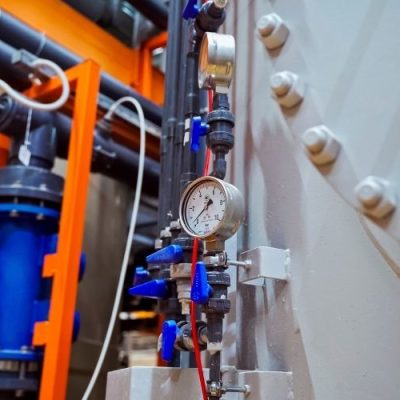
The first checks should happen before startup. Hydraulic hoses and pipework need to be inspected for correct routing, adequate support and secure connections. Reservoir levels and fluid specification should be confirmed. Filters, breathers, valve positions and major component connections should be checked, while electrical controls and safety functions need to correspond with the intended hydraulic operation. The exact checks depend on the installation, but the principle is consistent: identify installation problems before pressure turns them into operating problems.
Air removal is another important part of bringing a new hydraulic system into service. Air trapped in hydraulic circuits can contribute to erratic movement, noise and unpredictable response. Actuators and circuits therefore need to be brought into operation in a controlled manner appropriate to the system so trapped air can be removed while technicians monitor the response.
Pressure, temperature and operating behaviour then need to be assessed as the system begins working. A hydraulic installation that successfully moves an actuator once has not demonstrated that it can operate reliably throughout a full working cycle. Commissioning needs to establish how the system behaves as operating conditions change and whether the components work together as intended.
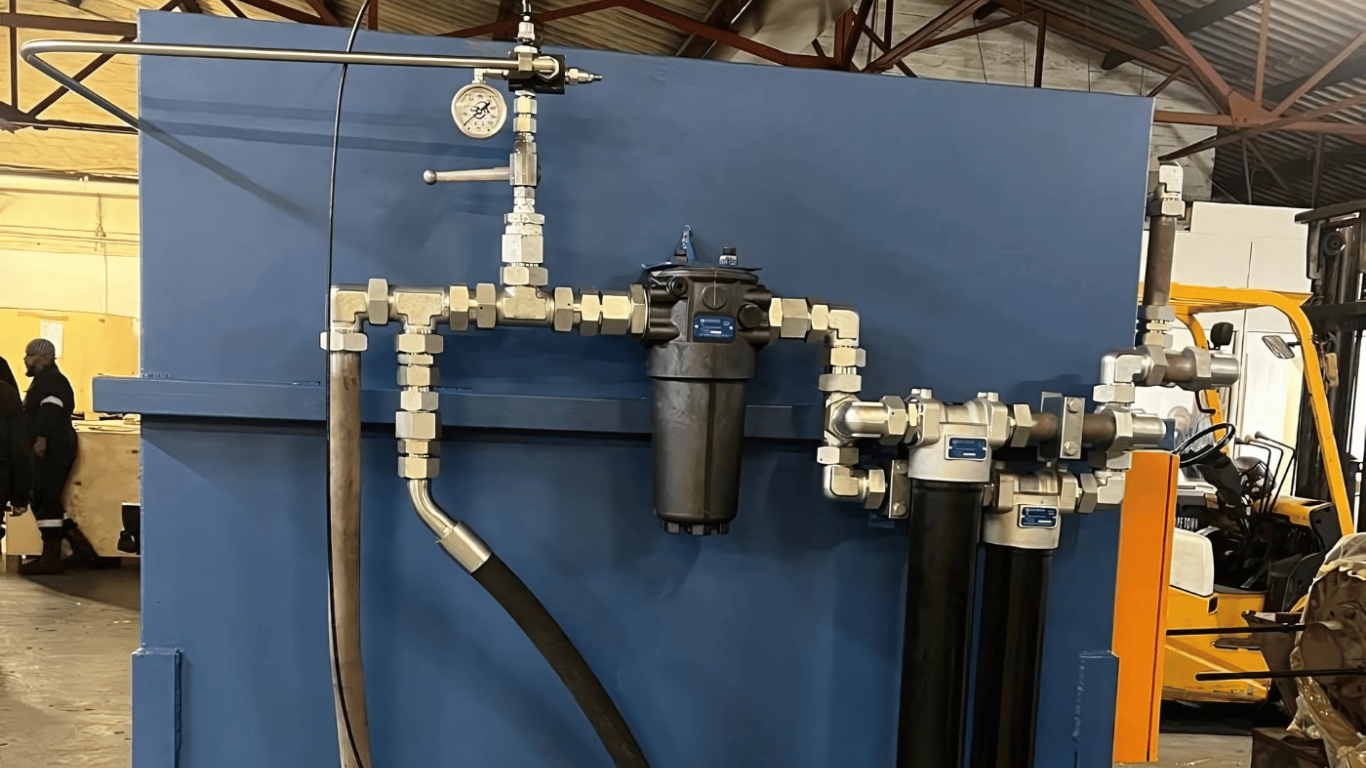
Why a New Hydraulic System Needs to Be Flushed Before First Use
One of the most important misconceptions surrounding new hydraulic installations is that new automatically means clean. Pipework can contain residue from cutting and fabrication, hoses can contain particles left from manufacture and assembly, while components may have been exposed to dust or other contamination during storage and installation. On a vessel undergoing a refit or a machine being modified on site, several trades may also be working around an open hydraulic system at the same time.
Hydraulic components depend on extremely small internal clearances to operate correctly. Contamination entering these areas can accelerate wear, interfere with valve movement and damage pumps and motors. Starting a new system without properly addressing cleanliness can therefore expose expensive new or rebuilt components to contamination during the very first operating cycle.
Flushing is intended to remove contamination from the completed installation before the system is expected to perform its normal duties. Suitable hydraulic fluid is circulated through the circuit so particles can be carried towards filtration and removed. Filters need to be monitored during this process because the material being removed from the system has to be captured somewhere, while fluid condition needs to remain part of the assessment throughout commissioning.
The flushing procedure must suit the design and components within the hydraulic system. Sensitive components may require specific handling and the system cannot simply be run for an arbitrary amount of time and assumed to be clean. The objective is to start the equipment’s working life with controlled fluid conditions rather than allowing contamination introduced during installation to become the first cause of component wear.
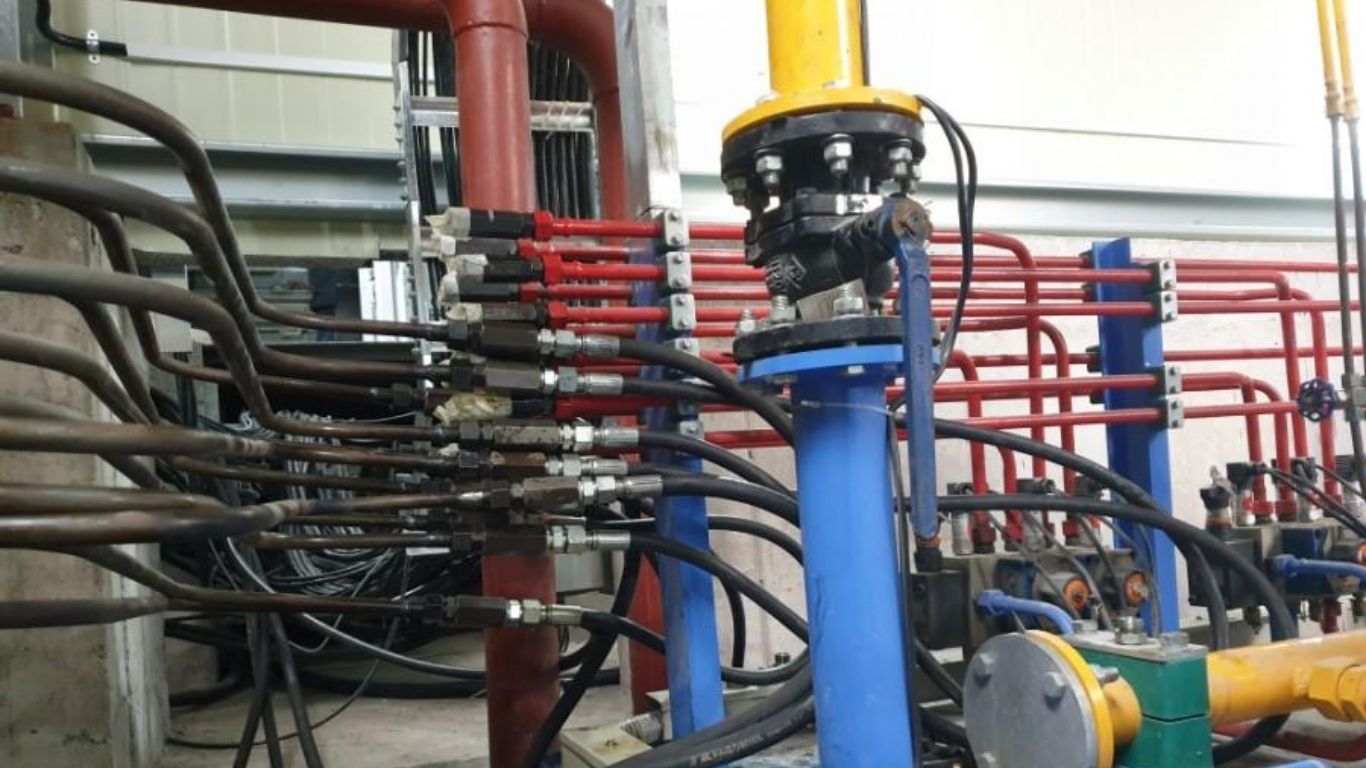
Relief Valves and Pressure Settings Cannot Be Left to Guesswork
Pressure determines how much force a hydraulic system can produce, but it also determines the load being placed on pumps, valves, cylinders, motors, hoses, seals and fittings. The pressure controls established during commissioning therefore influence both performance and protection. An incorrectly adjusted relief valve can change the behaviour of the entire system.
If the relief setting is too low, the system may begin relieving before the equipment develops the force required to do its job. Operators may experience weak movement, slow performance or an inability to handle normal loads. If the setting is unnecessarily high, components can be exposed to pressures beyond what the system was intended to experience, increasing stress throughout the hydraulic circuit.
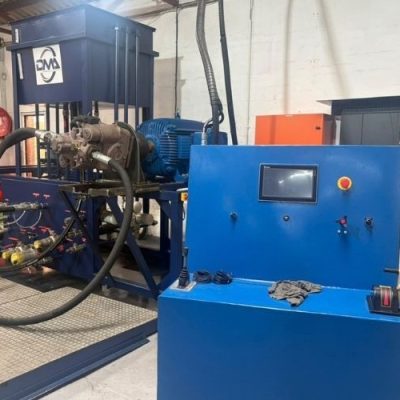
The required pressure settings should therefore be established from the hydraulic design and applicable equipment specifications before commissioning begins. Technicians can then adjust and verify those settings using suitable hydraulic test equipment while monitoring how the system behaves. The final values should be recorded rather than relying on someone remembering where a valve was set.
This principle already applies throughout the systems DMA works on. In marine steering equipment, for example, DMA has previously explained how an incorrectly set relief valve can either restrict performance or expose hoses, seals and fittings to unnecessary pressure. DMA Hydraulics Commissioning gives technicians the opportunity to establish the correct settings before the equipment begins accumulating working hours.
Testing Every Function Before the System Goes to Work
A hydraulic installation normally contains several components and functions that interact with each other, which means commissioning cannot stop after the first successful movement. Each operating function needs to be checked through the appropriate working cycle so technicians can see how the complete circuit responds. Directional valves need to control movement correctly, cylinders should extend and retract as intended, hydraulic motors should rotate correctly and control systems should produce the expected response.
The interaction between functions can be just as important as individual operation. A system may perform correctly when one function is used alone but behave differently when multiple functions operate together. Flow demand, pressure changes and control priorities can all become more apparent as the system is progressively tested.
Temperature also needs to be watched as commissioning progresses. Hydraulic systems generate heat during normal operation, but an unexpected temperature increase can indicate internal leakage, pressure losses, incorrect adjustment, flow restriction or another inefficiency. Establishing normal operating behaviour during commissioning makes it much easier to recognise when that behaviour changes later.
This is particularly valuable in industrial applications where hydraulic equipment may eventually operate continuously or across multiple shifts. A system that completes several unloaded movements has not necessarily demonstrated that it is ready for sustained production. Commissioning should build confidence progressively before the installation is handed over for full operation.
Commissioning Creates the Hydraulic System's First Performance Baseline
One of the most valuable results of hydraulic system commissioning is the information it creates. Once the system has been correctly adjusted and is operating as intended, technicians have an opportunity to record what healthy performance actually looks like. Those readings become a baseline for future maintenance and troubleshooting.
Working pressures, relief settings, operating temperatures and other relevant measurements can be documented according to the installation. If performance changes six months or three years later, maintenance teams can compare current measurements with the original commissioning information rather than relying on assumptions about what the system should be doing.
This becomes increasingly valuable as hydraulic equipment ages. Components are replaced, valves are adjusted, seals wear and operating conditions change. Without accurate historical information, technicians investigating a problem may not know whether the current settings match the original installation. A commissioning record gives them a reference point.
DMA’s approach to hydraulic diagnostics is already built around identifying the actual cause of a problem before carrying out repairs. Its Cape Town services include pressure testing, flow testing, fluid analysis and hands on inspection as part of hydraulic fault finding. DMA Hydraulics Establishing good commissioning data extends the same diagnostic discipline back to the beginning of the system’s working life.

What Should Be Recorded During Hydraulic System Commissioning?
A good commissioning record should allow another technician to understand how the system was configured and how it performed when it entered service. The value of this information often becomes apparent much later, when somebody who was not involved in the original installation needs to troubleshoot, service or modify the equipment.
The record should identify the equipment and hydraulic system, the date of commissioning and the relevant technical information used during the process. Important pumps, motors, valves, cylinders and filtration components can be identified where that information will assist future maintenance. The hydraulic fluid used should also be recorded so there is no uncertainty about the original specification.
Pressure settings form an important part of the record, particularly relief valve settings and other adjustable pressure controls. Relevant operating pressures, temperatures, flow measurements and motor speeds can also be recorded where they apply to the system. The purpose is to document the information that will help somebody understand normal performance later.
Functional tests should record which parts of the system were checked and whether they operated correctly. Adjustments made during commissioning should be captured along with any observations or recommendations requiring future attention. Photographs can add further value by documenting component identification, valve positions, hose routing and the completed installation at handover.
This documentation is not paperwork for the sake of paperwork. It creates a technical history from the first day of operation. Years later, when a system behaves differently, that information can help a hydraulic technician determine what has changed and where the investigation should begin.
Major Hydraulic Refits Need Commissioning Too
Commissioning is not restricted to completely new hydraulic systems. A major refit can introduce enough change that the installation needs to be treated as a new operating configuration before it returns to service. Replacement pumps, modified valve arrangements, new pipework, rebuilt cylinders, changed hydraulic motors or updated control systems can all affect how the circuit performs.
Opening the hydraulic circuit during a refit also introduces many of the same cleanliness concerns as a new installation. Pipe fabrication, component replacement and assembly work expose the system to potential contamination. Flushing, filtration and controlled startup therefore remain important even when much of the original hydraulic installation has been retained.
Marine refits are a good example. A vessel may spend weeks alongside undergoing mechanical and hydraulic work before facing pressure to return to commercial operation. Completing the installation does not mean the vessel should immediately return to sea. The hydraulic systems that have been rebuilt or modified need to be checked and commissioned before real operating conditions are introduced.
The same principle applies to industrial equipment, earthmoving machinery, agricultural systems and transport applications. If a hydraulic system has undergone substantial changes, relying on the fact that it worked before the modification does not prove that the new configuration will behave in exactly the same way.
Commissioning Comes Before Sea Trials
For marine hydraulic systems, commissioning and sea trials are closely connected but they serve different purposes. Commissioning establishes that the installation is correctly configured and ready to be placed under operational demand. Sea trials then provide an opportunity to see how the vessel and its hydraulic equipment perform under real conditions at sea.
DMA has already covered this next stage in Why Sea Trials Matter After a Marine Build or Hydraulic Overhaul and Hydraulic System Performance During Sea Trials in Cape Town. DMA’s sea trials content explains the importance of testing hydraulic systems under real operating loads following repairs, upgrades or a full rebuild.
That makes commissioning and sea trials complementary rather than interchangeable. Installation errors, incorrect pressure settings, leaks, contamination and basic functional problems should ideally be addressed before the vessel leaves harbour. The sea trial can then concentrate on proving how the commissioned system behaves under actual vessel operating conditions.
This is also where good commissioning records become valuable. If a hydraulic system behaves differently during sea trials, technicians have the commissioning measurements available for comparison. Instead of beginning the investigation without a reference point, they can examine what changed between controlled commissioning and operation under real load.
Hydraulic Commissioning Across the Industries DMA Serves
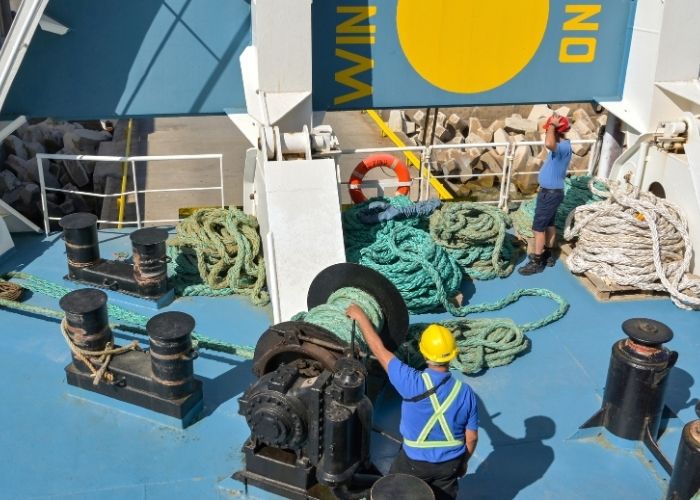
The equipment may change dramatically between industries, but the need for disciplined commissioning does not. On a commercial vessel, commissioning may involve hydraulic steering, deck machinery, winches, cranes or a hydraulic power unit after a new installation or major refit. Offshore applications can involve equipment expected to operate in demanding conditions where reliability is particularly important. DMA serves marine, offshore and industrial sectors and lists complete hydraulic installations and commissioning among its services.
Earthmoving and construction equipment can require commissioning after hydraulic modifications, replacement systems or the installation of auxiliary equipment. Agricultural machinery can undergo similar changes when hydraulic equipment is added or substantially rebuilt, while transport and logistics applications may depend on hydraulic systems operating through repeated working cycles throughout the day.
Manufacturing and industrial operations create another set of demands. Hydraulic presses, clamping systems, production machinery, material handling equipment and hydraulic power units can form part of a production process where inconsistent performance affects far more than one component. Establishing the correct operating condition before production begins gives maintenance teams a known starting point and reduces the likelihood that installation problems are mistaken for normal operating behaviour.
DMA Hydraulics and Pneumatic Solutions works across these environments from its base in Paarden Eiland, Cape Town, providing diagnostics, repairs, preventative servicing, complete installations and hydraulic component supply. The applications vary, but the commissioning objective remains consistent: establish that the system is clean, correctly configured, tested and ready for the demands of its actual working environment.
Frequently Asked Questions About Hydraulic System Commissioning
What is hydraulic system commissioning?
Hydraulic system commissioning is the controlled process of preparing, checking, adjusting and testing a new or substantially modified hydraulic installation before it enters normal operation. The process can include installation checks, system flushing, fluid preparation, air removal, pressure adjustment, functional testing and recording operating measurements. The objective is to confirm that the completed system performs as intended before it becomes responsible for normal production, vessel operations or equipment workloads.
Why is hydraulic system commissioning important?
Commissioning gives technicians an opportunity to identify installation problems before the hydraulic system enters full service. Contamination, incorrect connections, unsuitable pressure settings, trapped air and control problems can all affect a new installation. Identifying these issues during controlled startup is preferable to discovering them once a vessel has sailed, an earthmoving machine has reached a site or an industrial production line is expected to operate.
Does a new hydraulic system need to be flushed?
A new hydraulic installation can contain contamination introduced during fabrication, storage and assembly, so cleanliness needs to be addressed before normal operation begins. Flushing allows suitable hydraulic fluid to circulate through the circuit so contaminants can be carried towards filtration and removed. The appropriate process depends on the system design and components, which means flushing should form part of the planned commissioning procedure rather than being treated as a generic oil change.
How are hydraulic relief valves set during commissioning?
Required relief valve settings should be established from the hydraulic design and applicable equipment specifications. Technicians can then use suitable testing equipment to adjust and verify the settings while monitoring system pressure and behaviour. Recording the final values is important because those settings provide a reference for future servicing, troubleshooting and recalibration rather than leaving future technicians to determine the intended operating pressure through guesswork.
What should a hydraulic commissioning record contain?
The record should identify the system, commissioning date, relevant technical information, important components and hydraulic fluid used. Pressure settings, operating measurements, functional tests, adjustments and observations should be documented where applicable. Photographs can also provide a useful record of the completed installation. The objective is to establish an accurate technical baseline that remains useful throughout the equipment’s service life.
Should a hydraulic system be commissioned again after a major refit?
A major hydraulic refit can change the way a system operates, particularly when pumps, valves, cylinders, motors, pipework or control equipment have been replaced or modified. Opening the circuit can also introduce contamination risks. Recommissioning allows the modified system to be checked, flushed where necessary, adjusted and tested before returning to normal operation, while establishing updated performance information for the new configuration.
What is the difference between hydraulic commissioning and sea trials?
Commissioning takes place before normal operation and establishes that a hydraulic installation has been correctly prepared, adjusted and functionally tested. Sea trials allow marine equipment to be assessed under actual vessel operating conditions and loads. Commissioning should therefore come first. A successful sea trial then provides further confirmation that the commissioned hydraulic system performs correctly once the vessel is operating in its real environment.
Get the Hydraulic System Right Before It Goes to Work
A new hydraulic installation should begin its working life from a known and verified starting point. Correct commissioning provides that foundation by checking the installation, addressing cleanliness, establishing pressure settings, testing functions and recording the operating information that can support maintenance for years to come. The objective is not simply to prove that a hydraulic system can move. It is to establish that it performs correctly before the vessel, machine or production operation begins depending on it.
DMA Hydraulics and Pneumatic Solutions provides complete hydraulic installations, diagnostics, repairs and ongoing support from Paarden Eiland in Cape Town, with its installation services including system design, fabrication and commissioning for new builds and retrofits. Whether the project involves a vessel refit, new hydraulic installation, plant upgrade or major equipment modification, getting commissioning right at the beginning can prevent installation problems from becoming operational failures later.
If you are planning a new hydraulic installation, major refit or system modification, click the WhatsApp button to speak to the DMA Hydraulics team about the project and commissioning requirements.