Hydraulic equipment is designed to perform demanding tasks, from lifting heavy loads and operating industrial machinery to controlling steering systems and powering equipment aboard commercial vessels. These systems rely on hydraulic fluid to transfer energy and produce controlled movement, but reliable performance depends on more than simply having enough oil in the system. Two of the most important factors are hydraulic pressure and flow, which work together to determine how effectively the equipment operates.
Although pressure and flow are closely related, they perform different functions. Hydraulic pressure is associated with the force available to move or hold a load, while hydraulic flow influences how quickly that movement takes place. A system may have sufficient pressure but operate too slowly, or it may deliver adequate flow while struggling to produce the force required for a particular task. Understanding this difference is important because the symptoms can appear similar, even when the underlying causes are completely different.
For equipment owners, operators and maintenance teams, recognising the relationship between hydraulic pressure and flow can help identify developing performance problems before they lead to more extensive repairs. It also highlights why hydraulic fault finding should involve proper testing and diagnosis rather than adjusting system settings or replacing components without understanding the cause.
What Is Hydraulic Pressure?
Hydraulic pressure refers to the force exerted per unit area within a hydraulic system. It is commonly measured in bar or pounds per square inch (PSI) and develops when hydraulic fluid encounters resistance, such as a cylinder lifting a load or a hydraulic motor driving machinery. The greater the resistance that must be overcome, the more pressure may be required, provided the system is designed to operate within those conditions.
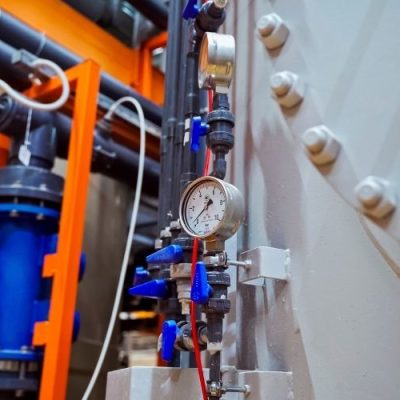
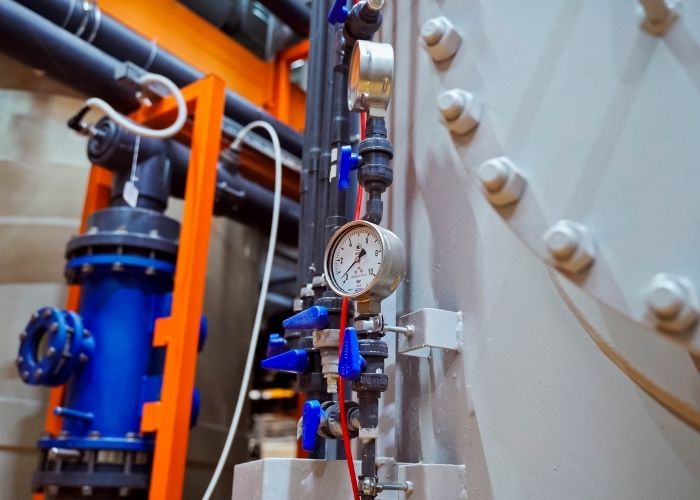
A hydraulic pump supplies fluid flow, while pressure develops in response to the resistance within the circuit. This distinction is important because a pressure gauge does not simply indicate how much pressure a pump is capable of producing. Instead, it shows the pressure at a particular point under the conditions present when the measurement is taken. A system operating with little resistance may show relatively low pressure even when the pump is functioning correctly, while a heavily loaded component may require substantially more pressure to perform its intended task.
In practical terms, pressure is what enables a hydraulic cylinder to lift, push or hold a load. In a hydraulic motor, pressure difference contributes to the torque available to drive rotating equipment. However, the actual force or torque produced also depends on component size, design, efficiency and mechanical conditions. Increasing pressure beyond the manufacturer’s specifications is not an acceptable way to compensate for poor performance, as it can overload components and create serious safety risks.
What Is Hydraulic Flow?
Hydraulic flow refers to the volume of fluid moving through a hydraulic system over a specific period. It is commonly measured in litres per minute and has a direct influence on the speed at which hydraulic cylinders extend or retract and hydraulic motors rotate. The amount of flow available depends on the pump design, operating speed, control system and the conditions within the hydraulic circuit.
Consider a hydraulic cylinder used to raise and lower equipment. The cylinder requires a certain volume of oil to move through its full stroke, and the rate at which that oil is supplied influences how quickly the movement occurs. If the available flow decreases, the cylinder may move more slowly even though sufficient pressure is still available to overcome the load. This is why slow hydraulic movement does not automatically mean that the system requires more pressure.
Flow can be affected by several factors, including pump wear, internal leakage, valve operation and restrictions within the hydraulic circuit. The type of pump and control system also matters because some hydraulic systems vary their output according to demand. A reduction in movement speed may therefore require investigation of both the hydraulic and control components before the cause can be identified.
Why Hydraulic Pressure and Flow Must Work Together
Hydraulic pressure and flow perform different functions, but they must operate together for equipment to achieve its intended performance. Pressure enables the system to overcome resistance and generate force, while flow determines the rate at which fluid is delivered to the component. If either is insufficient for the application, the equipment may struggle to perform as expected.
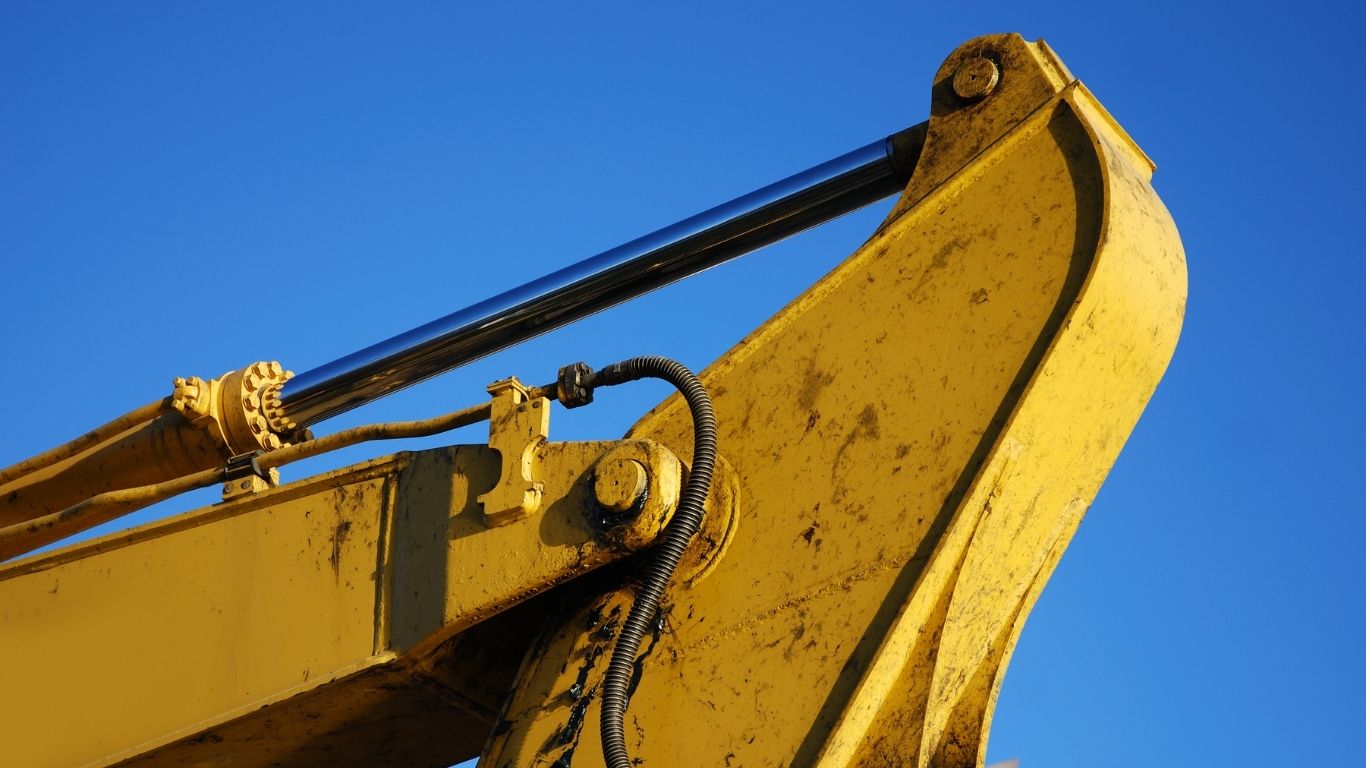
An excavator provides a useful example. Its hydraulic cylinders require sufficient pressure to generate the force needed to lift a loaded bucket, while adequate flow is required for the boom and other hydraulic functions to move at their intended speeds. A machine that lifts effectively but responds slowly may have a different problem from one that moves normally when unloaded but struggles when carrying material. Although the operator may describe both situations as a loss of hydraulic power, the underlying hydraulic conditions can be quite different.
The same principle applies to marine and industrial equipment. A hydraulic winch needs sufficient torque to handle its intended load and adequate rotational speed to operate efficiently. An industrial hydraulic press must generate the required force while completing its operating cycle at the appropriate rate. Understanding how pressure and flow contribute to these functions helps technicians investigate performance problems more accurately and avoid unnecessary component replacements.
Why Is My Hydraulic Equipment Moving Slowly?
Slow hydraulic movement is a common warning sign that something within the system may not be operating correctly. A cylinder may take longer than usual to extend, an excavator attachment may respond sluggishly or an industrial machine may begin missing its expected operating cycle times. Although these symptoms are often associated with reduced hydraulic performance, the cause cannot be determined from movement speed alone.
Insufficient flow reaching the actuator is one possible explanation. This may result from internal pump wear, leakage within the circuit, a control valve that is not operating correctly or restrictions that reduce the amount of fluid reaching the component. In variable displacement systems, pump control problems may also affect the flow being delivered. The operating conditions must be considered because hydraulic systems can behave differently under load, at different temperatures and during different functions.
Slow movement may also result from mechanical resistance, excessive loading or faults within the control system. For example, a cylinder experiencing binding or abnormal side loading may require additional force to move, while a valve receiving an incorrect control signal may restrict flow. Proper diagnosis involves assessing the symptoms, reviewing the system’s specifications and measuring performance under suitable test conditions rather than assuming that the pump is responsible.
Why Does Hydraulic Equipment Struggle Under Load?
Hydraulic equipment that operates normally without a load but struggles when performing demanding work may be experiencing a different type of performance problem. A cylinder may extend when unloaded but fail to lift the required weight, or a hydraulic motor may rotate freely before slowing or stalling when resistance increases. These symptoms can indicate that the system is unable to develop or maintain the pressure and flow needed under the actual operating conditions.
Possible causes include internal leakage, worn hydraulic components, incorrect pressure control settings or problems with the pump’s ability to deliver flow against resistance. Leakage within a cylinder, pump or valve may become more significant as operating pressure increases, reducing the energy available to perform useful work. A relief valve or pressure control system that is not operating according to specification can also affect performance.
It is important to recognise that poor performance under load does not automatically identify a faulty pump. Hydraulic systems contain multiple components that influence pressure and flow, and a problem elsewhere in the circuit may produce similar symptoms. Testing the system under appropriate conditions helps establish whether the issue involves pressure generation, flow delivery, internal leakage or another mechanical or hydraulic fault.
How Hydraulic Pumps Influence Pressure and Flow
The hydraulic pump is a central component in the system because it moves hydraulic fluid through the circuit. Its displacement, operating speed and design influence the volume of oil it can deliver, while its construction and operating limits determine the pressure conditions it can withstand. Different pump types are suited to different applications, and their performance characteristics must be matched to the requirements of the equipment.
A fixed displacement pump moves a nominal volume of fluid during each revolution, meaning its theoretical flow is related to rotational speed. A variable displacement pump can adjust its output according to the system design and control requirements, allowing flow to respond to changing operating conditions. These differences are important when diagnosing performance problems because a reduction in output may result from mechanical wear, incorrect control operation or changes in the pump’s operating conditions.
As hydraulic pumps wear, internal clearances may increase and allow more fluid to leak internally. This can reduce the amount of usable flow delivered to the circuit, particularly when the system operates under higher pressure. The effects may become more noticeable as the hydraulic fluid reaches operating temperature, although similar symptoms can arise from other faults. Measuring pump performance under appropriate conditions is therefore more reliable than judging its condition from noise, movement speed or a single pressure reading.
Why Hydraulic Pressure and Flow Problems Can Cause Overheating
Hydraulic systems generate heat during normal operation, but excessive temperatures may indicate that energy is being lost through inefficient operation. Pressure losses across restrictions, excessive internal leakage and fluid passing through pressure relief or control arrangements can all contribute to heat generation. As hydraulic fluid temperature increases, its viscosity changes, potentially affecting lubrication, leakage and the performance of hydraulic components.
A restriction within the circuit can create a pressure difference that causes energy to be converted into heat as fluid passes through it. Similarly, a worn pump or valve may allow fluid to leak internally instead of delivering useful work, reducing efficiency and contributing to temperature increases. The amount of heat generated depends on the pressure difference, flow rate and operating conditions, making it important to consider these factors together.
Overheating can also be influenced by inadequate cooling, unsuitable hydraulic fluid, incorrect system settings or equipment operating beyond its intended duty cycle. A hydraulic system that consistently runs hotter than expected should therefore be assessed as a complete circuit. Replacing a single component without identifying the source of the heat may not resolve the underlying problem and could lead to further deterioration.
How Hydraulic Pressure and Flow Are Tested
Accurate hydraulic fault finding depends on measuring system performance rather than relying entirely on visible symptoms. Pressure gauges and suitable pressure transducers allow technicians to assess pressure at specific points within a hydraulic circuit, while flow meters can be used to measure the volume of fluid moving through a particular section of the system. These readings provide different information, and their value increases when they are considered together under controlled operating conditions.

A pressure reading may show that the system is developing the expected pressure at a particular test point, but it does not necessarily confirm that sufficient flow is reaching the hydraulic actuator. Similarly, measuring flow without considering operating pressure may provide an incomplete picture of how the system performs under load. Testing at appropriate temperatures, speeds and pressures can help identify problems that are not apparent during unloaded operation.
The correct testing procedure depends on the equipment design and manufacturer’s specifications. Hydraulic systems can contain dangerous stored pressure, and testing should be carried out by suitably qualified personnel using appropriately rated equipment and safe isolation procedures. Pressure settings should never be increased simply to see whether the machinery performs better, as doing so can exceed component ratings and create serious safety risks.
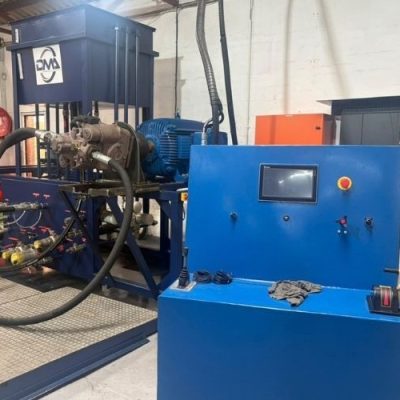
DMA Hydraulics’ in-house hydraulic testing capabilities support the assessment of suitable components under controlled conditions. Measuring pressure and flow where applicable provides useful information when investigating hydraulic performance, helping technicians understand how a component behaves rather than relying solely on its external condition.
Why Correct Hydraulic Settings Matter
Hydraulic systems are designed to operate within specified pressure, flow and temperature limits. These settings are established according to the requirements of the equipment and the ratings of the components used within the circuit. Pumps, hoses, valves, cylinders, seals and other components must all be suitable for the conditions they experience during normal operation.
Incorrect pressure settings can expose components to excessive loads and increase the risk of damage or failure. Excessive flow through components or restrictions can also contribute to pressure losses, heat generation and poor system performance. At the same time, insufficient pressure or flow may prevent the equipment from completing its intended tasks efficiently. The objective is not to operate at the highest possible pressure or flow rate, but to achieve the performance specified for the application.
This becomes particularly important when components are replaced or systems are modified. A replacement pump, valve or hydraulic motor must be compatible with the requirements of the existing circuit, and any adjustments must follow the relevant specifications. A component that appears suitable based on size or appearance may have different operating characteristics that affect the wider system. Correct selection, installation and commissioning help prevent performance problems caused by incompatible equipment or unsuitable settings.
Hydraulic Performance Across Different Industries
Although hydraulic pressure and flow follow the same fundamental principles, the demands placed on hydraulic systems vary considerably between industries. Equipment used in marine operations, construction, agriculture and manufacturing may have different requirements for force, speed, duty cycle and operating conditions. Understanding these differences is important when selecting components, assessing performance and planning maintenance.
Marine and Offshore Equipment
Marine hydraulic systems support a wide range of operations, including steering, deck machinery, winches and lifting equipment. These applications often require reliable force and controlled movement, particularly when machinery operates under changing loads. A winch that cannot maintain the required torque or operates more slowly than expected may affect operational efficiency, making accurate diagnosis important. Pressure and flow measurements can help distinguish between hydraulic supply problems, control issues and mechanical resistance.
Earthmoving and Construction Machinery
Excavators, loaders and other construction equipment rely on hydraulic systems to perform repeated lifting, digging and positioning movements. Operators may notice performance changes through slower attachment response, reduced lifting ability or inconsistent movement under load. Because these machines contain several interacting hydraulic functions, the cause of a problem may not be immediately obvious. Assessing pressure, flow and control system behaviour helps establish whether the issue originates in a particular component or affects the wider hydraulic circuit.
Agricultural Equipment
Agricultural machinery uses hydraulics for lifting, steering, positioning and operating attachments. These systems may experience changing loads and demanding operating schedules, particularly during planting and harvesting. A hydraulic function that becomes slower or less responsive can affect productivity, while insufficient force may prevent equipment from performing its intended task. Regular maintenance and accurate fault finding help identify performance problems before they interrupt important seasonal operations.
Industrial and Manufacturing Machinery
Industrial hydraulic systems often need to deliver consistent force and repeatable movement over extended operating periods. Hydraulic presses, production equipment and automated machinery may depend on predictable cycle times to maintain production efficiency. A reduction in flow can affect movement speed, while pressure related problems may prevent machinery from achieving the required force. Monitoring system performance and investigating changes early can help maintenance teams reduce unexpected interruptions.
The Value of Preventative Hydraulic Maintenance
Hydraulic pressure and flow problems do not always develop suddenly. In some cases, component wear, contamination, fluid deterioration or changing operating conditions cause a gradual reduction in performance. Machinery may continue operating while becoming slower, hotter or less efficient, making it easy for developing problems to go unnoticed until a more significant failure occurs.
Routine maintenance provides an opportunity to identify these changes before they result in unexpected downtime. Monitoring hydraulic fluid condition, inspecting hoses and connections, maintaining filtration systems and paying attention to unusual temperatures or movement can help reveal potential problems. Where appropriate, recording pressure and flow measurements under repeatable conditions also provides useful information for comparing equipment performance over time.
A preventative maintenance programme should be based on the equipment manufacturer’s recommendations and the conditions in which the machinery operates. Systems working under heavy loads, frequent cycles or demanding environmental conditions may require particular attention. Recognising changes in hydraulic performance early allows maintenance teams to investigate the cause and plan suitable repairs rather than waiting for the equipment to stop working.
Frequently Asked Questions About Hydraulic Pressure and Flow
What is the difference between hydraulic pressure and flow?
Hydraulic pressure relates to the force available within a hydraulic system, while hydraulic flow refers to the volume of fluid moving through the circuit over time. Pressure helps hydraulic cylinders and motors overcome resistance, while flow influences how quickly they move. Both are necessary for equipment to perform correctly, but they provide different information about the system’s operation. Understanding this distinction is important when diagnosing machinery that moves slowly, struggles under load or behaves inconsistently.
Can a hydraulic system have pressure but insufficient flow?
Yes. A hydraulic system can develop substantial pressure while delivering insufficient flow to operate a component at its intended speed. This may occur because of pump wear, internal leakage, restrictions or control system problems, depending on the circuit design. A pressure gauge reading alone therefore does not confirm that the system is delivering the required volume of fluid. Proper diagnosis may require pressure and flow measurements under suitable operating conditions.
Does increasing hydraulic pressure make equipment move faster?
Increasing pressure does not automatically increase the speed of hydraulic equipment. In a typical cylinder application, movement speed is primarily related to the flow reaching the cylinder and its effective piston area. Pressure is associated with the force required to overcome resistance. Changing pressure settings without identifying the cause of poor performance can damage components or create unsafe operating conditions, so adjustments should only be made according to the equipment manufacturer’s specifications.
Why does my hydraulic system work when cold but slow down when hot?
Changes in performance as hydraulic fluid warms may indicate internal leakage or another temperature related problem. As oil temperature increases, its viscosity generally decreases, which can make leakage through worn internal clearances more significant. However, other factors such as fluid condition, pump controls and mechanical wear may also contribute to the symptoms. Pressure and flow testing under appropriate conditions can help establish why performance changes as the equipment reaches operating temperature.
How do you know if a hydraulic pump is losing performance?
Possible signs include reduced movement speed, difficulty operating under load, excessive heat and changes in system response. These symptoms do not automatically confirm pump failure because valves, cylinders, control systems and other components can produce similar problems. A proper assessment may involve checking pressure, flow and internal leakage under specified operating conditions. Comparing the results with the manufacturer’s requirements helps determine whether the pump is performing as intended.
Why are pressure and flow measurements important during hydraulic testing?
Pressure and flow measurements provide different but complementary information about hydraulic performance. Pressure readings help establish the conditions under which the system is operating, while flow measurements indicate how much fluid is being delivered through the circuit. Assessing both can help identify problems that may not be apparent from a single measurement, particularly when equipment behaves differently under load. Suitable testing supports more accurate diagnosis and reduces the risk of replacing components unnecessarily.
Hydraulic Performance Problems? DMA Hydraulics Can Help
A hydraulic system needs the correct combination of pressure and flow to operate efficiently and reliably. When equipment begins moving slowly, struggling under load or operating at unusual temperatures, the cause may involve several interacting hydraulic components. Understanding the difference between pressure and flow is an important starting point, but identifying the underlying problem requires proper inspection, testing and an understanding of the equipment’s operating requirements.
At DMA Hydraulics, our Cape Town team provides hydraulic and pneumatic fault finding, repairs, maintenance and component testing for marine, earthmoving, agricultural and industrial applications. Our experience across different hydraulic systems allows us to approach performance problems with an understanding of how individual components contribute to the operation of the complete circuit.
If your hydraulic equipment is not delivering the speed, force or consistency you expect, contact DMA Hydraulics to discuss the problem. Click the WhatsApp button on our website to speak to our team about hydraulic fault finding, repairs or maintenance requirements.