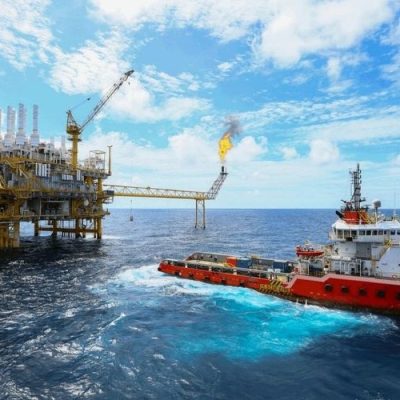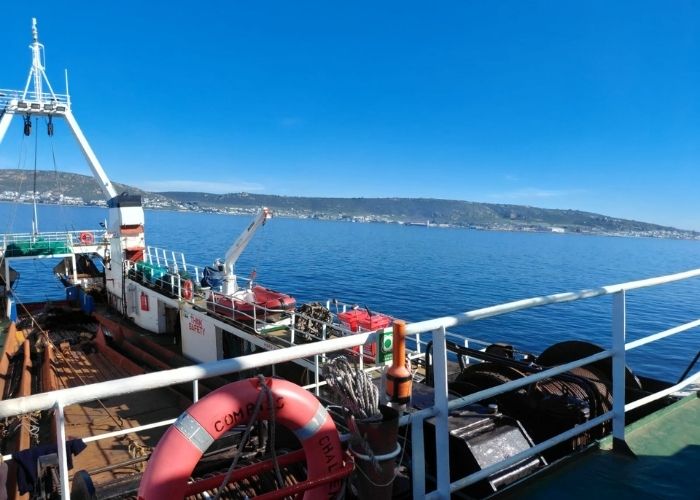
A vessel completes its refit. The hydraulic systems have been rebuilt. The engine room is signed off. The yard is satisfied the work is done. The temptation at that point is to get back to sea as quickly as possible. Every day alongside costs money. The fishing grounds are waiting. The cargo schedule is running.
That is exactly when a sea trial matters most.
A sea trial is not a formality. It is not a box to tick before departure. It is the only way to confirm that everything done in the workshop or yard actually performs correctly under real operating conditions — at load, at speed, in the conditions the vessel will actually face. Work that looked correct on the dock has a way of revealing itself differently once a vessel is underway and the systems are under genuine demand.
This post covers what a sea trial involves, what it tests, what it commonly finds, and why skipping or shortening one after a build or overhaul is a risk that rarely pays off.
What a Sea Trial Actually Is
A sea trial is a structured test of a vessel and its systems conducted under operational conditions on the water. It is distinct from dockside testing, which checks systems while the vessel is stationary and connected to shore power, and from a simple harbour move, which gives no useful information about how the vessel and its systems perform under load.
For a new build, a sea trial is the commissioning event. It confirms that the vessel performs to its design specification — speed, manoeuvrability, stability, and system function — before the owner accepts delivery. For a vessel returning from a refit or overhaul, a sea trial confirms that the work carried out has restored or improved performance to the required standard and that no issues have been introduced during the repair process.
A sea trial should be planned, not improvised. The systems to be tested should be identified in advance, target performance parameters should be established, and the trial should be conducted by personnel who know what to look for and how to assess what they find. A sea trial where the crew simply takes the vessel out and brings it back without a structured test programme is not a sea trial. It is a harbour move with a longer route.
What a Sea Trial Tests
The scope of a sea trial depends on the nature of the work that was carried out. A vessel returning from a full refit requires a broader test programme than one that has had a single system overhauled. In all cases, the trial should cover every system that was worked on and any system that interacts with or depends on those systems.
Propulsion and Steering
Speed and manoeuvrability are tested across the full range of engine and propeller settings. On vessels with hydraulic steering gear, the trial verifies that the steering system responds correctly at all speeds, that hard-over times meet the classification society requirement, and that the emergency steering arrangement works as designed. A steering system that tested correctly at the dock may behave differently once the vessel is at speed and the rudder is under hydrodynamic load.
Hydraulic Deck Machinery
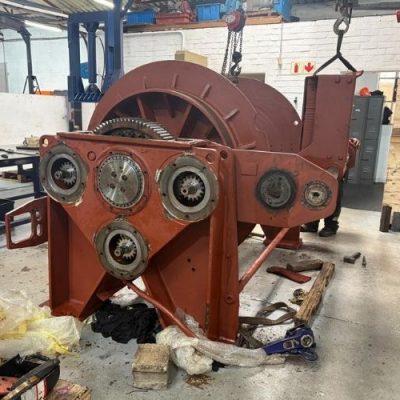
Winches, cranes, windlasses, and hatch covers are tested under load conditions that cannot be replicated at the dock. A winch that operates correctly on a test line alongside may behave differently when hauling a full load on the fishing grounds. The trial provides the opportunity to verify speed, torque, brake holding capacity, and control response under the actual loads the equipment is designed to handle.
For a vessel returning from a hydraulic overhaul, this is the most important part of the sea trial. The rebuilt motors, control valves, and sealing systems need to be verified under working conditions. Hydraulic pressure and temperature should be monitored throughout the trial to confirm the system is operating within its designed parameters.
Hydraulic System Performance
System pressure, flow, and temperature are monitored throughout the trial. A hydraulic system that is performing correctly maintains stable pressure under load, delivers consistent flow to all circuits, and keeps fluid temperature within the acceptable range across the full duration of the trial. Pressure that drops under sustained load, circuits that slow or lose force during extended use, or fluid temperatures that climb beyond the normal operating range all indicate that the system requires further attention before the vessel goes back to work.
The trial also reveals issues with system integration. A rebuilt winch motor may perform correctly in isolation but create back pressure in a shared circuit that affects another function. A control valve that was rebuilt to specification may interact unexpectedly with a relief valve that was left at its previous setting. Under-load testing with all systems operating simultaneously exposes these interactions in a way that individual component testing at the dock cannot.
Stability and Trim
Following any significant structural work, ballast changes, or large equipment replacement, stability should be assessed as part of the trial. A vessel whose stability characteristics have changed without corresponding adjustments to ballast or loading arrangements may behave unexpectedly in sea conditions. The trial provides an opportunity to assess vessel behaviour across a range of headings and speeds.
Safety Systems
Bilge pumps, fire suppression systems, emergency stops, and alarm systems should be tested during the trial. Systems that are not used under normal operating conditions are the ones most likely to fail when they are actually needed. The sea trial is the appropriate time to verify they function correctly, before the vessel is in a situation where they might be required.

What Sea Trials Commonly Find
A well-run sea trial after a build or overhaul consistently identifies issues that were not apparent during dockside testing. This is not a reflection of poor workshop quality. It is a reflection of the fact that real operating conditions cannot be fully replicated alongside. The value of the sea trial is that it finds these issues before the vessel is in a situation where they matter.
Hydraulic Leaks That Were Not Visible at Rest
Hydraulic systems are pressurised to their working pressure during operation. Connections, seals, and hose end fittings that are tight at rest may weep fluid under full working pressure, particularly after a rebuild where new seals and components are bedding in. A leak that is invisible at the dock becomes visible once the system is at working pressure under load. Finding it during a sea trial means it can be addressed alongside rather than at sea.
Relief Valve Drift Under Load
Pressure relief valves that were set correctly during dockside testing sometimes behave differently under sustained load conditions. Thermal expansion, the dynamic pressure fluctuations of working hydraulics, and the difference between static and dynamic load all influence how a relief valve performs in practice. A relief valve that is marginally off its correct setting may not be apparent at the dock but will show itself during the trial through reduced performance on heavy load circuits or through elevated fluid temperature.
Control System Integration Issues
On vessels with multiple hydraulic circuits sharing a common power unit, operating all circuits simultaneously during the trial can reveal pressure and flow interactions that were not present during individual system testing. A winch and a crane operating together may draw more flow than the pump delivers at peak efficiency, causing both to slow simultaneously. An autopilot that interacted correctly with the steering gear at the dock may hunt under the dynamic loads of an underway vessel. These interactions are only found when the whole vessel is operating together.
Vibration and Alignment
Propulsion work, propeller replacement, or shaft repairs introduce the possibility of alignment changes that produce vibration at certain engine speeds. Vibration that is absent at low speed may become apparent at cruising speed. Shaft seal leakage that was not present at the dock may develop once the shaft is rotating under load and the alignment is under dynamic stress. The sea trial is where these issues are identified before they develop into more serious damage.
Crew Familiarisation Issues
After a significant overhaul, systems may operate differently from how they operated before. Control positions may have changed. Response characteristics may be different. The sea trial gives the crew the opportunity to familiarise themselves with how the vessel and its systems now perform before they are in a working situation where that familiarity matters. A winch that now responds more quickly than the operator expects, or a steering system that is more sensitive at low speed than before the overhaul, needs to be understood by the crew before the vessel is at sea.
The Risk of Skipping or Shortening a Sea Trial
The pressure to return a vessel to service quickly after a refit or overhaul is real. Time in port costs money. Fishing seasons have windows. Cargo schedules do not wait. The temptation to shorten the sea trial, or to skip it entirely when dockside testing has gone well, is understandable but carries significant risk.
A hydraulic fault that is found during a sea trial is fixed alongside, with access to the workshop, parts, and the time to do the job correctly. The same fault found at sea, 200 nautical miles from port, is a far more serious and expensive problem. Emergency repairs at sea are carried out under pressure, with limited tools and parts, in conditions that are often worse than alongside. The quality of an emergency repair is rarely as good as a planned repair, and the disruption to the vessel’s schedule is far greater.
For fishing vessels, a mechanical failure at sea also means the loss of the catch and the cost of returning early. For a commercial vessel on charter, it means liability for delays and the cost of any emergency assistance required. The cost of a sea trial is modest against either of those outcomes.
Classification societies and flag state administrations require sea trials after significant work for good reason. They exist because the maritime industry has learned, through experience, that work done on the dock does not always behave as expected once the vessel is at sea and the systems are under real demand.
Hydraulic Sea Trial Checklist: What to Verify
After a hydraulic overhaul or new hydraulic installation, the sea trial should specifically verify the following before the vessel is returned to service.
System pressure should be tested at working load across all hydraulic circuits and confirmed against the designed operating specification. Relief valve settings should be verified under dynamic load conditions, not just at rest. Fluid temperature should be monitored throughout the trial and confirmed to remain within the acceptable operating range. All hydraulic motors should be tested across their full speed and torque range under real load. Control valve response and accuracy should be assessed with all circuits operating simultaneously. All load-holding valves on crane, winch, and stabiliser circuits should be tested for correct holding under full rated load. Hydraulic hoses and fittings should be inspected under working pressure for any weeping or movement at connections. Fluid level should be checked after the trial, as a system that loses fluid during the trial has a leak that must be found and resolved before departure.
Frequently Asked Questions
Is a sea trial required after every hydraulic repair?
Not after every minor repair. A hose replacement or seal change on a non-critical circuit does not necessarily require a full sea trial. However, any overhaul that involves hydraulic motors, main steering gear, deck winches, or other safety-critical systems should be followed by a sea trial to verify performance under load before the vessel returns to service.
How long does a sea trial take?
This depends on the scope of the work and the systems being tested. A trial following a single system overhaul may take a few hours. A trial following a full vessel refit may take a full day or longer to cover all systems adequately. The trial should run long enough to bring all tested systems to operating temperature and to test them under sustained load, not just briefly.
Who should be present during a sea trial?
The chief engineer and senior deck officers should be present throughout. For a hydraulic sea trial, having the hydraulic service technician who carried out the overhaul present is valuable, as they know what was done and what to look for. Classification society surveyors are required to attend trials following certain categories of work under classification rules.
What happens if a fault is found during the sea trial?
The vessel returns alongside, the fault is investigated and repaired, and the affected system is retested before departure. This is the purpose of the sea trial. Finding a fault during the trial is a good outcome compared to finding it at sea. The trial schedule should allow time for this possibility.
Can hydraulic faults develop after a successful sea trial?
Yes. A sea trial confirms the system is performing correctly at that point in time. New seals and rebuilt components continue to bed in during initial operation and may develop minor leaks in the first hours of service. Checking fluid levels and inspecting for leaks during the first few days of return to service is good practice after any significant hydraulic overhaul.
Does DMA Hydraulics support sea trials after hydraulic overhauls?
Yes. Our team can be present during sea trials to monitor hydraulic system performance, identify any issues that arise, and address them before the vessel departs. For vessels completing a hydraulic overhaul at our Cape Town workshop, we encourage a structured sea trial before the vessel returns to service and can support that process.
Get It Right Before You Leave Port
A sea trial is the final step in a build or overhaul, not an optional extra. It is the point at which everything done in the workshop is tested under real conditions and confirmed to work. Skipping that step to save time alongside is a trade that rarely turns out well.
If your vessel is completing a refit or hydraulic overhaul in Cape Town, or if you are commissioning a new installation and need support planning and running a structured sea trial, contact DMA Hydraulics and Pneumatic Solutions. Our team carries out hydraulic overhauls, repairs, and installations for commercial vessels and can provide sea trial support to make sure your vessel leaves port with every system performing as it should.
Get in touch with our team before your vessel is ready for departure.