A hydraulic seal may be one of the smallest components in a hydraulic system, but its role in maintaining pressure, controlling movement and preventing fluid leakage is fundamental to the reliability of the equipment. Whether fitted to a hydraulic cylinder on an excavator, a steering system aboard a commercial fishing vessel or machinery operating on a manufacturing production line, a seal must perform consistently under demanding conditions. It needs to withstand hydraulic pressure, accommodate movement, resist wear and remain compatible with the fluid and environment in which it operates. When a seal fails, the consequences can extend far beyond a visible oil leak, potentially affecting equipment performance, operational safety and the condition of other hydraulic components.
Hydraulic seals are among the components most frequently replaced during hydraulic repairs, yet their selection is often more complicated than it appears. Two seals may look identical and share the same dimensions, but differences in material composition, profile, hardness and intended application can have a significant effect on performance. A seal that works reliably in an industrial hydraulic press may not be suitable for an agricultural machine exposed to dust and fluctuating temperatures, while marine equipment introduces additional challenges involving saltwater exposure, corrosion and contamination. Understanding these differences is essential because an incorrectly specified replacement may solve the immediate leakage problem without addressing the conditions that caused the original seal to fail.
At DMA Hydraulics, identifying the cause of hydraulic component failure is an important part of the repair process. A leaking cylinder or deteriorating seal should not automatically be treated as a routine replacement job, particularly when the same component has failed repeatedly. Understanding the application, inspecting the surrounding components and selecting the correct replacement parts all contribute to a more reliable repair. This guide explains the different types of hydraulic seals, why material selection matters, how operating environments influence performance and what the condition of a failed seal can reveal about the hydraulic system.
What Do Hydraulic Seals Actually Do?
Hydraulic systems use pressurised fluid to generate force and control mechanical movement. To perform efficiently, the system must maintain pressure within specific areas while preventing unwanted leakage between components or into the surrounding environment. Hydraulic seals create the barriers that make this possible, but different seals perform different functions depending on their position within the equipment. Some are designed to prevent fluid from escaping externally, while others control internal leakage or protect moving components against contamination.
A hydraulic cylinder provides a useful example of how several sealing components work together. The piston seal separates the pressure chambers on either side of the piston, helping the cylinder generate and maintain the force required for movement. The rod seal prevents hydraulic fluid from escaping where the piston rod passes through the cylinder head, while the wiper or scraper removes dirt, moisture and other contaminants from the exposed rod as it retracts. Each component has a specific purpose, and deterioration in one area can eventually affect the performance of the others.
The relationship between these components becomes particularly important when diagnosing a hydraulic problem. A worn piston seal may allow fluid to bypass internally, reducing the cylinder’s ability to maintain force even though no oil is visible outside the equipment. A damaged rod seal, by comparison, often produces noticeable external leakage, while a deteriorated wiper may allow abrasive contamination into the cylinder long before a major leak develops. Correct diagnosis therefore requires an understanding of how the complete sealing arrangement functions, rather than assuming that every hydraulic problem originates from the most visibly damaged component.
Hydraulic sealing arrangements also rely on supporting components such as guide rings, wear rings and backup rings. Guide and wear rings help control movement and support components against side loads, while backup rings may be used to prevent sealing material from being forced into clearance gaps under pressure. If these supporting components are worn or incorrectly specified, the seals themselves may experience abnormal loading and premature deterioration. A proper hydraulic repair must therefore consider the condition and interaction of the complete assembly.
Understanding the Different Types of Hydraulic Seals
Hydraulic seals are not interchangeable components, even when they appear similar in shape or size. Their design depends on whether they operate between stationary surfaces, accommodate movement in a straight line or seal around a rotating shaft. The direction of hydraulic pressure, the amount of movement and the condition of the contact surfaces all influence which sealing arrangement is suitable. Selecting the wrong type can increase friction, allow internal leakage or expose the seal to mechanical stresses it was never designed to withstand.
Static Seals
Static seals are fitted between components that do not move relative to each other during normal operation. Common applications include hydraulic housings, covers, manifolds and connections where a reliable barrier is required to prevent fluid leakage. O-rings are frequently used for these purposes because they can provide effective sealing when correctly compressed within a suitably designed groove. However, their performance depends on factors such as pressure, temperature, material compatibility and the amount of compression applied during installation.
An O-ring that is incorrectly sized or fitted into an unsuitable groove may become damaged even though the surrounding components remain stationary. Excessive compression can contribute to deformation, while insufficient compression may prevent an effective seal from forming. High pressure applications may also require additional support to control extrusion into clearance gaps. This illustrates why selecting a static seal involves more than matching its diameter to the opening in which it will be installed.
Rod Seals
Rod seals are designed to prevent hydraulic fluid from escaping along a moving piston rod. They must maintain contact with the rod surface while allowing repeated extension and retraction, often under substantial hydraulic pressure. The sealing arrangement needs to balance effective fluid containment with controlled friction, since excessive friction can increase wear, generate heat and affect cylinder movement. Rod seal selection must therefore consider the cylinder design, operating pressure, movement speed and condition of the rod surface.
Rod seals are particularly vulnerable to damage caused by corrosion, scoring and abrasive contamination. Even a correctly specified seal may deteriorate rapidly if it moves repeatedly across a damaged rod, making surface inspection an essential part of any cylinder repair. The condition of the wiper and guide components must also be assessed because contamination and misalignment can place additional stress on the rod seal. Replacing the seal without correcting these underlying problems may result in another leak shortly after the equipment returns to service.
Piston Seals
Piston seals are fitted within hydraulic cylinders to control fluid movement between the pressure chambers on either side of the piston. Their primary function is to minimise internal leakage so that hydraulic pressure can generate the required force and movement. Depending on the cylinder design, the sealing arrangement may need to accommodate pressure in one direction or in both directions, which influences the choice of seal profile and construction.
A worn piston seal does not always produce an obvious external warning sign. Instead, the equipment may begin to operate inefficiently, struggle to maintain force or exhibit movement that is inconsistent with normal performance. These symptoms can also have other causes, so proper diagnosis is important before dismantling the cylinder. The condition of the cylinder bore, piston guides and associated components should be inspected because excessive wear or misalignment may contribute to repeated piston seal failure.
Wiper Seals and Scrapers
Wiper seals, also known as scrapers, protect hydraulic cylinders against contamination entering from the external environment. As the piston rod retracts, the wiper removes dirt, moisture and other material that has accumulated on the exposed surface. This function is particularly important on earthmoving equipment, agricultural machinery and marine deck equipment, where hydraulic cylinders regularly operate in environments containing dust, mud, salt spray or other contaminants.
A damaged wiper may initially appear less serious than a leaking rod seal because it does not necessarily cause an immediate loss of hydraulic fluid. However, contamination entering the cylinder can accelerate wear on the rod seal, damage internal surfaces and affect hydraulic fluid cleanliness. Maintaining the wiper in good condition is therefore an important preventative measure, particularly where equipment operates outdoors or in harsh industrial environments.
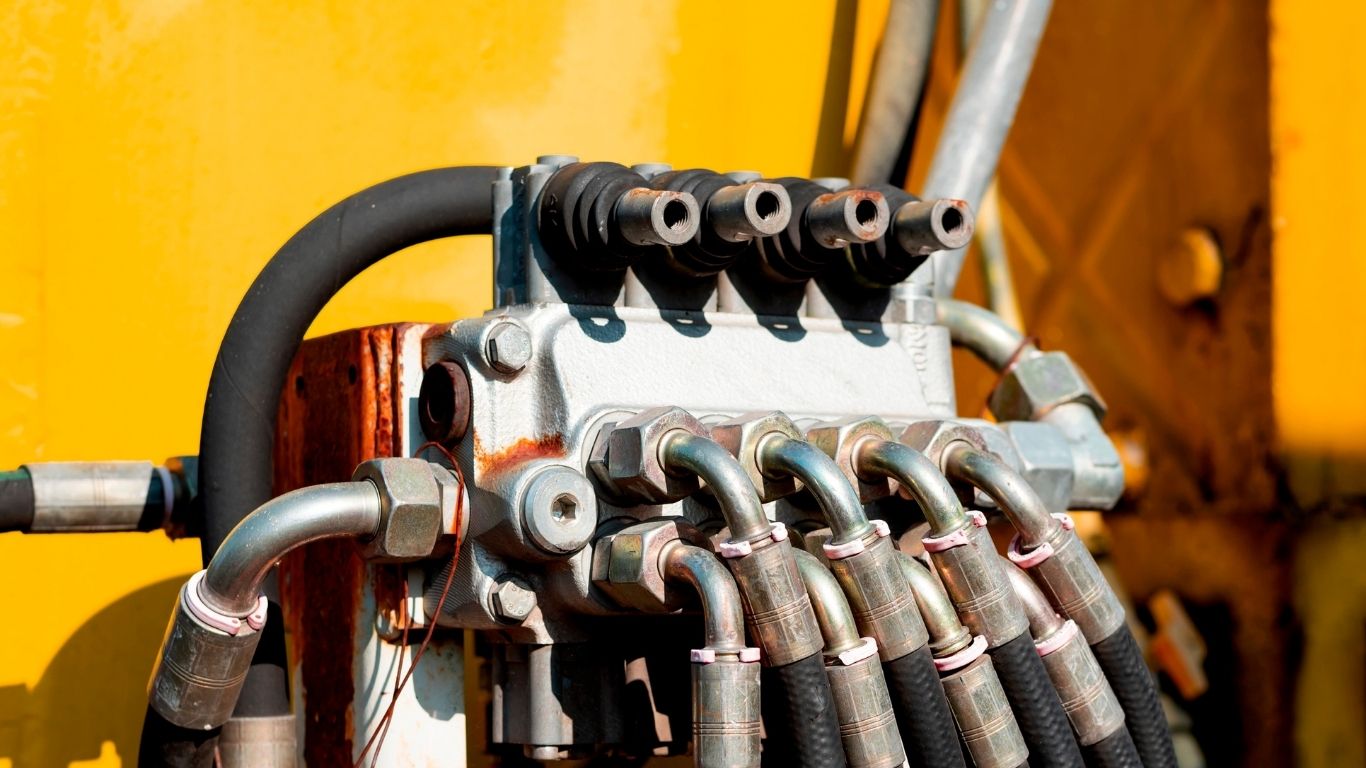
Why Hydraulic Seal Material Matters
The material used to manufacture a hydraulic seal has a direct influence on its ability to withstand operating conditions. Hydraulic fluids vary in composition, and sealing materials respond differently to temperature, pressure, friction, chemical exposure and mechanical wear. A material that performs well in one application may swell, harden, crack or lose its sealing properties when exposed to a different fluid or operating environment. Selecting the correct material is therefore just as important as choosing the correct seal dimensions and profile.
Seal manufacturers use a range of elastomers and engineered polymers to meet different application requirements. These materials are not universally interchangeable, and even seals made from the same general material family may have different performance characteristics depending on their formulation. Understanding the strengths and limitations of common sealing materials helps explain why replacement parts should be selected according to the actual operating conditions rather than availability alone.
Nitrile Rubber (NBR)
Nitrile rubber is widely used in hydraulic applications because many formulations offer good compatibility with mineral oil based hydraulic fluids and suitable performance under common industrial operating conditions. It is frequently used in O-rings and other sealing components where flexibility, resistance to oil and reliable compression characteristics are required. Its widespread use makes it a familiar material in hydraulic maintenance, but this does not mean it is suitable for every hydraulic system.
The performance of nitrile rubber depends on the specific compound, temperature range and fluid to which it is exposed. Certain hydraulic fluids, chemicals and elevated operating temperatures may cause deterioration or dimensional changes that compromise sealing performance. In applications where these conditions are present, another material may be more appropriate. Confirming fluid compatibility and the manufacturer’s operating specifications is essential before selecting a nitrile replacement.
Polyurethane (PU)
Polyurethane is commonly used in dynamic hydraulic seals because suitable formulations offer strong resistance to abrasion, tearing and mechanical wear. These characteristics make it useful in demanding cylinder applications where seals are exposed to repeated movement and substantial operating loads. Polyurethane rod and piston seals are frequently found in mobile hydraulic equipment, including earthmoving and agricultural machinery, where mechanical durability is an important consideration.
However, polyurethane is not a single material with identical properties across every product. Different formulations respond differently to temperature, moisture, hydraulic fluids and operating conditions. A seal that offers excellent wear resistance may still be unsuitable if the fluid or temperature exceeds its intended limits. The complete application must therefore be considered rather than selecting polyurethane solely because it is associated with heavy duty hydraulic equipment.
Fluoroelastomer (FKM)
Fluoroelastomers are often used where sealing components must withstand elevated temperatures or exposure to particular oils and chemicals. In suitable applications, these materials can provide resistance to conditions that may cause conventional elastomers to deteriorate more quickly. They may be considered for hydraulic equipment operating at higher temperatures or in environments where chemical compatibility is an important concern.
Although fluoroelastomers are associated with heat and chemical resistance, they are not compatible with every hydraulic fluid or operating environment. Different FKM formulations have different limitations, and suitability must be checked against the actual fluid and service conditions. Selecting a higher temperature material without considering movement, pressure, seal design and fluid compatibility does not automatically produce a more reliable sealing arrangement.
PTFE and Engineered Sealing Materials
Polytetrafluoroethylene, commonly known as PTFE, is used in specialised hydraulic sealing applications where low friction and chemical resistance are important. PTFE based sealing elements may be incorporated into designs that combine the material with an energising component to maintain effective sealing contact. These arrangements can be useful where controlled movement, reduced friction or particular fluid compatibility requirements influence the design.
PTFE behaves differently from conventional elastomeric materials and does not rely on elasticity in the same way. Its performance depends on the seal profile, supporting components, material formulation and installation arrangement. Filled PTFE compounds may also be selected to achieve particular wear or mechanical characteristics. For these reasons, PTFE seals must be specified according to the equipment design rather than treated as direct replacements for conventional rubber or polyurethane seals.
Marine Hydraulics: Why Seal Selection Requires Additional Consideration
Marine hydraulic systems operate in environments where moisture, salt spray, corrosion and demanding mechanical loads can place considerable stress on sealing components. Hydraulic equipment aboard commercial fishing vessels, offshore support vessels and other marine operations may be exposed to these conditions for extended periods, while critical machinery must remain reliable during demanding operating cycles. Hydraulic cylinders used in deck cranes, winches, steering systems and other marine equipment therefore require sealing arrangements suited to both the internal hydraulic conditions and the external working environment.
One of the most significant concerns in marine applications is corrosion of exposed components. Saltwater exposure can contribute to deterioration of piston rods, fittings and surrounding metal surfaces, particularly where protective coatings are damaged or maintenance is inadequate. A corroded or scored rod can quickly damage a replacement rod seal as the cylinder extends and retracts, creating a recurring leakage problem that cannot be solved through seal replacement alone. The condition of the rod surface must therefore be assessed before deciding whether resealing is sufficient.
Marine equipment is also exposed to contamination that can affect both external sealing surfaces and the hydraulic fluid itself. Damaged wipers may allow salt, moisture and abrasive particles to enter the cylinder, while poor fluid handling or inadequate filtration can contribute to internal wear. These problems can affect the performance of seals and other hydraulic components, making contamination control an important part of preventative maintenance. The correct sealing arrangement should be supported by suitable surface protection, effective wipers and appropriate hydraulic fluid management.
For marine hydraulic repairs, the choice of seal material must be based on the hydraulic fluid, pressure, temperature and movement requirements, while the complete component must be assessed for the effects of the marine environment. A seal does not necessarily need to be manufactured from a different material simply because the equipment operates at sea, but the overall sealing arrangement must be capable of performing under the conditions encountered. Understanding this distinction helps prevent unnecessary material substitutions while ensuring that genuine environmental risks are addressed.
Agricultural Hydraulics: Managing Contamination and Seasonal Operating Demands
Agricultural machinery operates in conditions that can be particularly challenging for hydraulic cylinders and their sealing components. Tractors, loaders, harvesters and other equipment regularly work in environments containing dust, mud, crop residue and moisture, while hydraulic systems may experience repeated movements under substantial loads. These conditions make effective contamination control essential, particularly where exposed piston rods are constantly moving through dirty operating environments.
A damaged wiper can allow abrasive material to reach the rod seal and enter the cylinder, where it may contribute to scoring, accelerated wear and hydraulic leakage. Once the rod surface becomes damaged, fitting a new seal may provide only a temporary improvement because the underlying source of wear remains. Regular inspection of wipers, rod surfaces and hydraulic connections can therefore help identify developing problems before they result in more extensive repairs. The correct seal profile and material should also be selected according to the equipment’s operating pressure, movement and hydraulic fluid requirements.
Agricultural equipment often operates according to seasonal demands, creating additional maintenance considerations. Some machines may remain unused for extended periods before returning to intensive operation during planting or harvesting. During storage, environmental exposure, corrosion and changes in component condition can influence the reliability of hydraulic seals and surrounding components. Equipment that appears to be in acceptable condition before storage may develop leakage or movement problems when returned to service, particularly if exposed rods or sealing surfaces have deteriorated.
Seal selection for agricultural equipment should therefore account for both the hydraulic application and the practical conditions in which the machinery operates. A replacement that fits correctly but offers unsuitable wear characteristics or fluid compatibility may not deliver the expected service life. Correct identification, component inspection and preventative maintenance are particularly important when equipment downtime could disrupt time sensitive agricultural operations.
Industrial Hydraulics: Heat, Repeated Movement and Consistent Performance
Industrial hydraulic systems often operate under demanding production schedules, where equipment is expected to deliver consistent movement and force over extended periods. Hydraulic presses, production machinery, lifting equipment and automated systems may complete large numbers of operating cycles, placing repeated mechanical demands on sealing components. In these environments, seal performance can influence not only fluid containment but also movement accuracy, friction, operating temperature and overall equipment efficiency.
Repeated movement creates ongoing contact between dynamic seals and the surfaces against which they operate. If the seal material or profile is unsuitable, excessive friction may accelerate wear, increase heat generation or affect the smooth movement of the component. Pressure fluctuations and operating temperatures must also be considered, particularly where machinery runs for long periods or experiences demanding production cycles. The correct sealing arrangement needs to accommodate these conditions without creating unnecessary resistance or allowing excessive leakage.
Although many industrial hydraulic systems operate in relatively controlled environments, contamination remains a concern. Fine particles, degraded hydraulic fluid and internal component wear can all affect sealing performance, even when the equipment is not exposed to the dust and mud associated with outdoor machinery. Effective filtration, correct fluid handling and routine inspections therefore remain important parts of hydraulic maintenance. A clean operating environment does not eliminate the need for suitable seal materials or careful component inspection.
For manufacturing and industrial businesses in Cape Town, repeated seal failures can contribute to production interruptions, additional maintenance costs and reduced equipment reliability. Selecting the correct replacement components and investigating the cause of premature deterioration can help reduce the risk of recurring problems. The objective should be to restore reliable hydraulic performance rather than repeatedly replacing the same worn component without understanding why it is failing.
What the Condition of a Failed Hydraulic Seal Can Tell You
A damaged hydraulic seal can provide valuable information about the conditions inside the component and the wider hydraulic system. Although seals naturally experience wear over time, premature deterioration often indicates that the material, operating conditions or surrounding components require closer attention. The appearance of the failed seal may help identify possible causes, but it should always be considered alongside the equipment’s service history, hydraulic fluid condition, operating pressure and mechanical condition.
Understanding common failure patterns can help maintenance teams recognise when a seal replacement is unlikely to resolve the underlying problem. A seal that has hardened may have experienced very different conditions from one that has swollen or been torn, while uneven wear may indicate mechanical loading rather than a material defect. Examining these differences is an important part of effective hydraulic fault finding.
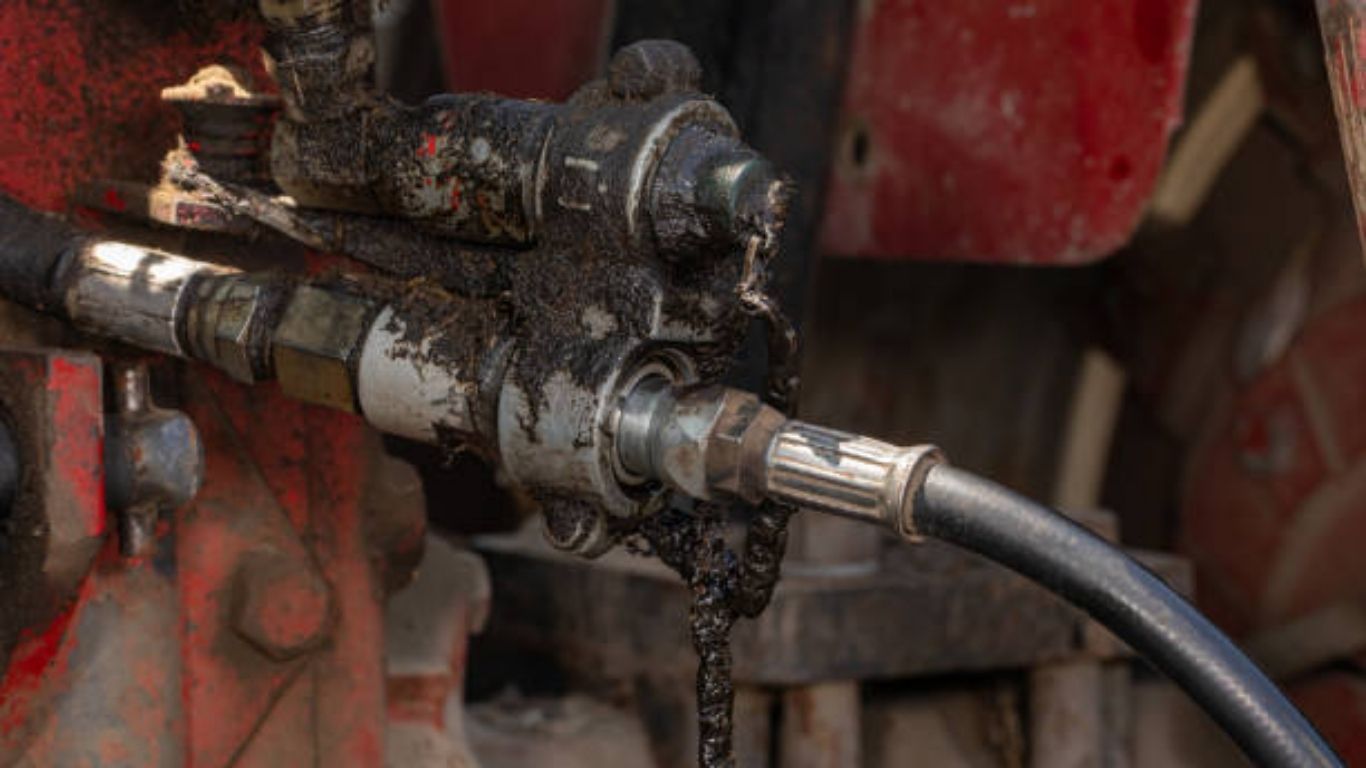
Hardening, Cracking and Loss of Elasticity
A seal that has become hard, brittle or cracked may have been exposed to conditions that have affected the properties of its material. Excessive operating temperatures, incompatible hydraulic fluids, environmental exposure and ageing can all contribute to deterioration, depending on the material involved. As the seal loses flexibility, it may become less capable of maintaining effective contact with the sealing surfaces, allowing leakage to develop.
However, the appearance of a hardened seal does not automatically confirm that overheating was responsible. The fluid being used, the age of the component, its operating history and the specific seal material must also be considered. Replacing the seal without investigating these factors may allow the same deterioration to occur again, particularly if the equipment continues to operate outside the material’s intended conditions.
Swelling, Softening and Dimensional Changes
A hydraulic seal that has swollen, softened or become distorted may indicate that its material is not compatible with the fluid or chemicals to which it has been exposed. Certain substances can affect elastomers and cause changes in their dimensions or mechanical properties, potentially interfering with the way the seal fits within its groove. These changes may increase friction, cause deformation or reduce the seal’s ability to contain hydraulic pressure effectively.
Fluid compatibility should be investigated whenever unusual swelling or softening is identified. It is important to establish whether the correct hydraulic fluid is being used and whether the replacement seal material is suitable for that fluid. Installing another seal made from the same incompatible material may result in repeated failure, even if the replacement is fitted correctly and the surrounding components appear undamaged.
Cuts, Scoring and Abrasive Wear
Cuts and worn areas on a seal can develop when the sealing material comes into contact with damaged surfaces, abrasive contamination or sharp edges during installation. In hydraulic cylinders, a scratched or corroded piston rod is a common concern because the damaged surface repeatedly passes across the rod seal during operation. Even minor surface defects can affect seal life, particularly when the equipment operates through frequent cycles.
Contamination entering through damaged wipers can create similar problems by introducing abrasive particles into the sealing area. Once particles become trapped between moving surfaces, they may contribute to additional wear on both the seal and the component itself. A proper repair should therefore include inspection of the rod, bore, wipers and surrounding surfaces, together with appropriate cleaning and contamination control measures.
Extrusion and Seal Deformation
Seal extrusion occurs when hydraulic pressure forces part of the sealing material into a clearance gap between components. This can result in damaged edges, tearing or deformation that compromises the seal’s ability to maintain pressure. Possible contributing factors include excessive operating pressure, pressure spikes, unsuitable seal hardness, excessive clearance or inadequate support within the sealing arrangement.
The condition of guide components and the amount of clearance between moving parts must be considered when extrusion damage is identified. Worn guides or other mechanical components may allow movement that places additional stress on the seal, while incorrect pressure settings can expose the material to forces beyond its intended limits. Depending on the design, suitable backup rings or alternative sealing arrangements may be required, but the underlying cause must be established before selecting a replacement.
Uneven Wear and Mechanical Misalignment
A seal showing significantly greater wear on one side may indicate that the component is not moving or loading evenly. Hydraulic cylinders subjected to side loads, misalignment or worn guide components can place uneven pressure on the sealing arrangement, accelerating deterioration in particular areas. This type of wear is especially important to investigate because a new seal may experience the same loading conditions immediately after installation.
Correcting uneven seal wear may require attention to the condition of the rod, cylinder bore, guide rings, mounting arrangements or other mechanical components. The appropriate repair depends on the equipment design and the cause of the abnormal loading. Replacing the seal without addressing these factors can lead to repeated leakage and unnecessary maintenance costs.
Why Replacing a Hydraulic Seal Does Not Always Solve the Problem
A hydraulic cylinder that begins leaking again shortly after a seal replacement is often an indication that the original repair did not address every contributing factor. Although the damaged seal may have been responsible for the visible leakage, it may not have been the original cause of the problem. Worn guide components, damaged sealing surfaces, contamination, incorrect pressure settings or unsuitable replacement materials can all affect the performance of a newly installed seal.
Surface condition is particularly important in dynamic hydraulic applications. A new rod seal fitted against a scratched, corroded or incorrectly finished rod may initially appear to perform correctly, but repeated movement across the damaged surface can quickly cause further deterioration. Similarly, a worn cylinder bore or excessive clearance between components can affect the operation of piston seals. These mechanical conditions must be assessed before deciding whether a straightforward reseal will provide a reliable repair.
Incorrect seal identification is another potential cause of repeated problems. Two seals may share the same nominal dimensions but have different profiles, material properties or pressure capabilities. A replacement that fits into the groove is not necessarily suitable for the operating conditions, and an incorrect profile may affect fluid containment, friction or resistance to extrusion. Manufacturer specifications, accurate measurements and an understanding of the application are important when identifying suitable replacement components.
Installation practices can also influence seal life. Seals may be damaged if they are stretched excessively, twisted, fitted in the wrong orientation or forced across sharp edges during assembly. Contamination introduced during repair can create additional problems, particularly where hydraulic components contain precision surfaces and small internal clearances. Proper preparation, suitable tools, cleanliness and correct assembly procedures are therefore essential to achieving a reliable result.
The most effective approach is to treat repeated seal failure as a diagnostic concern rather than simply another routine replacement. Understanding why the original seal deteriorated allows the repair to address contributing conditions and reduces the likelihood of the same problem returning shortly after the equipment is placed back into service.
What Does a Correct Hydraulic Seal Replacement Involve?
A reliable hydraulic seal replacement begins with identifying the component, understanding its operating conditions and establishing the nature of the failure. Before dismantling, the technician needs to consider whether the problem involves external leakage, internal pressure loss, abnormal movement or another performance concern. The equipment’s operating history and any previous repairs can provide useful information, particularly when the same component has required repeated attention. This initial assessment helps determine whether the problem is likely to involve the sealing arrangement alone or whether other hydraulic and mechanical factors need investigation.
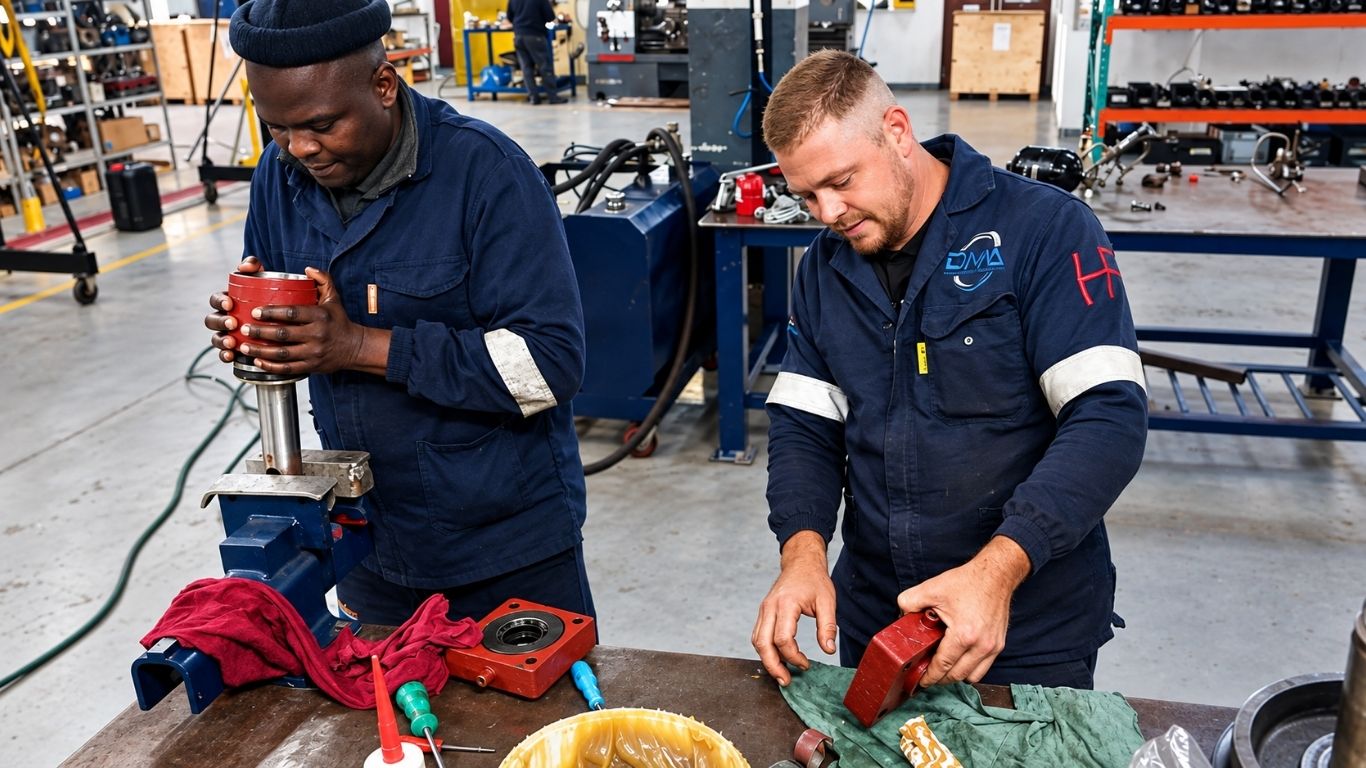
Safety is essential before any hydraulic component is dismantled. The system must be correctly isolated, supported where necessary and relieved of stored hydraulic pressure in accordance with the equipment manufacturer’s procedures. Hydraulic systems can retain significant stored energy even after the machinery has been switched off, and pressurised fluid can cause serious injury. Proper isolation and safe dismantling procedures protect both the technician and the equipment while allowing the component to be inspected without unnecessary damage.
Once dismantled, the original seals should be examined for signs of wear, deformation, contamination or material deterioration. The rod, bore, gland, grooves and associated guide components should also be inspected because their condition directly influences sealing performance. Surface damage, excessive clearance or misalignment may indicate that additional repairs are required before replacement seals can be installed. This inspection is particularly important when dealing with equipment that has experienced repeated leakage or premature seal failure.
The replacement components must then be identified according to their dimensions, profile, material and intended operating conditions. Where available, manufacturer specifications provide an important reference, while accurate measurements and assessment of the application help establish suitability. During installation, the component must be kept clean and the seals fitted using appropriate methods and tools to prevent cutting, twisting or other damage. Correct orientation, suitable assembly lubrication and careful handling all contribute to the performance of the completed repair.
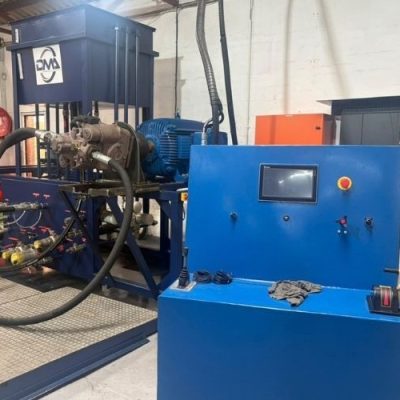
After reassembly, the component should be checked for correct operation and leakage under appropriate conditions. The nature of the testing depends on the equipment, the repairs undertaken and the testing arrangements available. External leakage checks alone may not reveal internal bypass or performance problems that only become apparent under pressure. DMA Hydraulics’ in-house testing facility provides additional capabilities for assessing suitable hydraulic components, supporting a repair process that considers operational performance as well as the condition of the replacement parts.
Why Sourcing the Correct Hydraulic Seals and Replacement Parts Matters
Hydraulic equipment is manufactured in a wide variety of configurations, and identifying the correct replacement seals can be more complicated than matching a part by appearance. Cylinders, pumps, motors and other hydraulic components may use specialised sealing arrangements designed for particular pressures, fluids and operating conditions. Even equipment performing similar functions can require different seal profiles or materials, making accurate identification essential when sourcing replacement parts.
The information available during parts selection can make a significant difference to the accuracy of the replacement. Equipment identification, component details, manufacturer specifications and operating conditions all help establish what is required. Where the original seal is available, it may provide useful information about the profile and construction, but worn or distorted components should not be relied upon as the only dimensional reference. The hydraulic fluid, operating temperature, pressure and type of movement must also be considered to ensure that the selected replacement is suitable for the application.
Parts availability is particularly important for businesses operating equipment where downtime affects production, vessel operations, construction schedules or agricultural activities. Having access to suitable hydraulic seals, fittings and related components can help maintenance teams plan repairs more effectively and avoid unnecessary delays. However, selecting a readily available seal that does not meet the application requirements may create additional costs if it fails prematurely or damages surrounding components.
DMA Hydraulics’ hydraulic repair and maintenance services are supported by access to hydraulic components and fittings, including the offering available through Hydraulic Fittings. The emphasis should always remain on identifying the correct component for the job rather than treating replacement parts as interchangeable. Appropriate parts selection, supported by an understanding of the equipment and its operating environment, is an important part of achieving dependable hydraulic performance.
Preventative Maintenance: Extending the Life of Hydraulic Seals
Hydraulic seals are subject to wear during normal operation, but premature deterioration can often be reduced through suitable maintenance and operating practices. Regular inspection helps identify developing leakage, contamination or surface damage before these problems result in more extensive component repairs. Maintenance teams should pay particular attention to hydraulic cylinders operating in harsh environments, where exposed rods and wipers may be affected by dirt, moisture, corrosion and abrasive material.
The condition of the piston rod is especially important because it provides the surface against which the rod seal operates. Corrosion, scoring or damage to the surface finish can accelerate seal wear, while damaged wipers may allow contaminants to enter the cylinder during operation. Routine cleaning, inspection and appropriate protection of exposed components can help reduce these risks. Where surface damage is identified, the condition of the component should be assessed before the problem develops into repeated leakage.
Hydraulic fluid condition also plays a significant role in seal life. Contaminated or degraded fluid can contribute to wear and may affect the performance of sealing materials, particularly where the fluid is no longer suitable for the equipment’s operating requirements. Correct filtration, clean fluid handling practices and adherence to the manufacturer’s fluid specifications help protect both seals and other hydraulic components. Operating temperatures and pressures should also be monitored because excessive heat and repeated pressure spikes can place additional stress on sealing arrangements.
Preventative maintenance becomes particularly valuable when the same component has experienced repeated seal failures. A recurring problem may indicate unsuitable seal selection, contamination, mechanical wear or operating conditions that need attention. Identifying these patterns allows maintenance teams to address developing issues before they cause unexpected downtime. For marine, agricultural, earthmoving and industrial equipment, a consistent maintenance approach supports more reliable hydraulic performance and helps protect the wider system.
Frequently Asked Questions About Hydraulic Seals
How do I know which hydraulic seal is right for my equipment?
The correct hydraulic seal depends on the component design, seal dimensions, groove configuration, operating pressure, temperature, hydraulic fluid and type of movement. The working environment must also be considered, particularly for marine, agricultural and heavy industrial equipment. Where possible, manufacturer specifications should be used to identify the correct seal, as these provide important information about the intended sealing arrangement. If the specifications are unavailable, a hydraulic specialist may need to inspect and measure the component to establish a suitable replacement rather than relying on the appearance of the worn seal alone.
What is the difference between a rod seal and a piston seal?
A rod seal prevents hydraulic fluid from escaping along the moving piston rod where it passes through the cylinder head, while a piston seal helps control internal leakage between the cylinder’s pressure chambers. Both are essential to hydraulic cylinder performance, but they operate in different positions and are designed for different sealing requirements. A damaged rod seal commonly produces visible external leakage, whereas a worn piston seal may result in reduced holding ability or inefficient movement without any obvious external oil leak. Understanding the difference helps identify which part of the cylinder may require attention.
Why does my hydraulic cylinder keep leaking after replacing the seals?
Repeated leakage can indicate that the original cause of the failure has not been fully addressed. A scratched or corroded piston rod, worn guide components, incorrect seal dimensions, unsuitable material or contamination can all cause a new seal to deteriorate prematurely. Excessive operating pressure and installation damage may also contribute to the problem. A proper inspection should therefore examine the complete cylinder assembly and its operating conditions rather than assuming that another set of replacement seals will resolve the issue. Identifying the underlying cause is essential to achieving a more reliable repair.
Are marine hydraulic seals different from industrial hydraulic seals?
Some seal materials and profiles can be used successfully in both marine and industrial applications, provided they meet the operating requirements of the equipment. Marine systems may face additional challenges involving saltwater exposure, corrosion, moisture and contamination, particularly around exposed cylinder rods and external sealing surfaces. These conditions can affect seal life even when the material is compatible with the hydraulic fluid. The correct selection must therefore consider pressure, temperature, movement and fluid compatibility alongside the environment in which the equipment operates, rather than assuming that every marine application requires a completely different seal material.
Can I replace a hydraulic seal with one that is the same size but made from a different material?
A different seal material should only be considered after confirming that it is suitable for the hydraulic fluid, operating temperature, pressure and movement requirements. Two seals with identical dimensions can behave differently because their materials offer different levels of flexibility, wear resistance, friction and chemical compatibility. A material that performs well in one application may swell, harden or deteriorate under different conditions. The replacement must also have the correct profile and fit the intended groove, as material compatibility alone does not guarantee that the seal will perform correctly.
What are the most common signs of hydraulic seal failure?
Common warning signs include visible hydraulic oil leakage, reduced cylinder holding ability, inconsistent movement and deterioration in hydraulic performance. During dismantling, damaged seals may show cracking, hardening, swelling, cuts, deformation or uneven wear, with each condition providing possible clues about the cause of failure. However, these symptoms are not definitive on their own and should be assessed alongside the condition of the hydraulic fluid, rod surfaces, guides and other components. A complete inspection helps distinguish normal wear from problems that may cause repeated seal failure.
How often should hydraulic seals be replaced?
There is no universal replacement interval for hydraulic seals because service life depends on the material, seal design, equipment usage, operating conditions and maintenance practices. Some equipment manufacturers specify inspection or replacement intervals, while other seals are replaced when leakage, wear or performance problems are identified. Regular inspection is particularly important for equipment operating in harsh environments or under demanding production schedules. Monitoring the condition of sealing surfaces, hydraulic fluid and associated components can help maintenance teams identify developing problems and plan repairs before unexpected failures interrupt operations.
Hydraulic Seal Problems? Get the Right Repair and the Right Parts
A failed hydraulic seal may appear to be a minor component problem, but its condition can reveal important information about the performance and health of the wider hydraulic system. Incorrect material selection, damaged sealing surfaces, contamination, excessive pressure and mechanical wear can all contribute to premature failure, making proper diagnosis essential before a replacement is fitted. Understanding the operating conditions and identifying the correct sealing arrangement helps reduce repeated repairs and supports more reliable equipment performance.
Whether your hydraulic equipment operates aboard a commercial vessel, on a construction site, in an agricultural environment or within an industrial production facility, the correct replacement components must be suited to the application. At DMA Hydraulics, we bring over 30 years of hydraulic and pneumatic experience to fault finding, component repairs, maintenance and testing. Our Cape Town team understands the importance of looking beyond the visible symptoms to identify the cause of hydraulic problems and select appropriate repair solutions.
If you are experiencing hydraulic cylinder leakage, repeated seal failures or uncertainty about the correct replacement parts, DMA Hydraulics can assist with assessing your requirements. Click the WhatsApp button to speak to our team about hydraulic repairs, component inspection or sourcing suitable replacement parts.