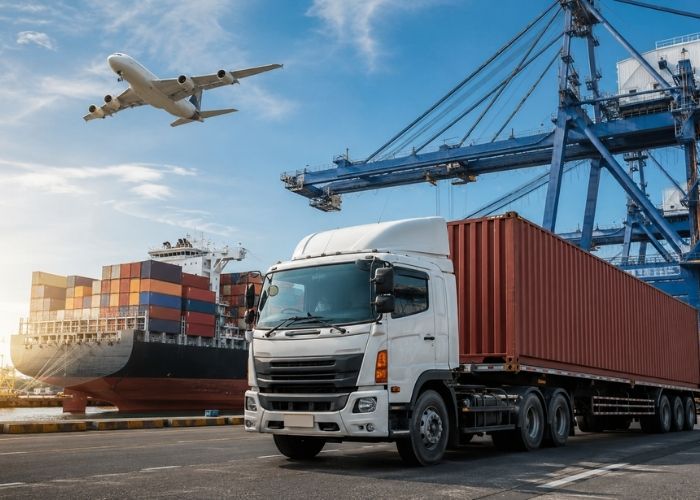
A truck that cannot tip its load, a crane vehicle with a boom that will not extend, a compactor that stops cycling, a tail lift that will not lower — every one of these failures has the same root cause. The hydraulic system has stopped working. And when a vehicle in a logistics or transport fleet goes down, it does not just sit idle. It costs the business money every hour it is off the road.
Hydraulics are built into the working equipment on a wide range of commercial vehicles. Tippers, flatbed crane trucks, concrete mixers, refuse compactors, skip loaders, tankers, and curtainsider trailers with hydraulic tail lifts all rely on hydraulic systems to perform their primary function. The vehicle itself may be mechanically sound, but without a functioning hydraulic system, it cannot do the job it was purchased to do.
DMA Hydraulics and Pneumatic Solutions is based in Paarden Eiland, Cape Town, and provides hydraulic repairs, servicing, and component supply for logistics and transport vehicles across the Western Cape. This post covers the hydraulic systems used in logistics and transport, the failure patterns that affect commercial vehicle fleets, and how to manage hydraulic maintenance across a fleet without losing vehicles to unexpected downtime.
Where Hydraulics Appear in Logistics and Transport Vehicles
The range of hydraulic applications across commercial transport vehicles is broader than most fleet managers account for until something fails. Understanding what each system does and what it demands helps you plan maintenance and respond to faults more effectively.
Tipper and Tipping Body Systems
Tipper trucks are among the most hydraulic-dependent vehicles in any transport fleet. The tipping cylinder raises the body to discharge the load, and the hydraulic system must generate enough force to lift a fully loaded body reliably across thousands of cycles. Tipper cylinders are large, operate at high pressure, and are exposed to impact, contamination, and temperature extremes every working day.
The power take-off unit that drives the hydraulic pump on a tipper is another point of wear. It engages and disengages with the gearbox each time the driver activates the system. PTO seals and engagement mechanisms require regular inspection and are frequently the source of fluid loss on tipper vehicles that goes unnoticed until the fluid level drops enough to affect system performance.
Truck-Mounted Crane and Loader Crane Systems
Crane trucks and loader cranes use hydraulic systems to power boom extension, boom lift, slewing, and outrigger deployment. These are high-cycle, high-load applications. A crane truck working a construction materials delivery route may extend and retract its boom hundreds of times a day. The hydraulic pump, control valves, cylinders, and slewing motor all accumulate wear at a rate that makes regular servicing essential rather than optional.
Load-holding valves on crane trucks are safety-critical components. They prevent the boom from dropping under load when the operator releases the controls. A load-holding valve that is beginning to leak internally allows slow drift of the boom under load. This is dangerous and is often dismissed by operators as normal behaviour before it becomes a serious safety event.
Tail Lift Systems
Hydraulic tail lifts on delivery trucks and curtainsiders are among the most frequently used hydraulic systems in urban logistics. A delivery vehicle operating in Cape Town may cycle its tail lift dozens of times per day. The hydraulic cylinder that raises and lowers the platform, the levelling mechanism, and the platform folding system all depend on a small hydraulic power unit mounted under the vehicle body.
Tail lift hydraulic units are exposed to road spray, dust, and temperature extremes from their mounting position. Seal degradation, fluid contamination, and pump wear develop faster on tail lift units than on protected hydraulic systems. A tail lift that lowers slowly, jerks during operation, or fails to hold the platform level under load has a developing hydraulic fault that will become a full failure if not addressed.
Refuse Compactor and Skip Loader Systems
Refuse compactors and skip loaders use hydraulics to power compaction blades, ejector panels, skip lifting arms, and container locking mechanisms. These systems operate under extremely high cycle counts. A refuse compactor working a full collection route may cycle its compaction system several hundred times in a single shift. The hydraulic pump, directional valves, and cylinders in a compactor system work harder than in most other transport hydraulic applications.
Contamination is a particular problem in refuse vehicle hydraulics. The working environment generates dust, liquid, and debris that finds its way into hydraulic components. Cylinder rod seals on compaction and ejection cylinders are exposed directly to the contents of the collection body and degrade faster than in clean environments.
Tanker and Liquid Transport Systems
Tanker vehicles use hydraulic systems to operate discharge pumps, valve actuators, and cover opening mechanisms. On bulk liquid tankers, the hydraulic system may drive the product pump through a hydraulic motor, transferring the load from the vehicle’s PTO to a hydraulic circuit that can be controlled more precisely. Seal compatibility between the hydraulic fluid and the product being transported is a consideration that requires attention during any repair or replacement work on tanker hydraulics.
Why Logistics and Transport Hydraulics Fail
Hydraulic failures in transport fleets follow consistent patterns. The operating conditions that logistics vehicles work in, particularly in a Cape Town context, create predictable wear paths that fleet managers can plan around if they understand what drives them.
High Cycle Counts and Accelerated Wear
Commercial transport hydraulics accumulate cycles faster than almost any other hydraulic application. A tail lift cycling fifty times a day covers more operational cycles in a month than a construction cylinder might in a full year. Pump wear, seal fatigue, and valve wear all scale with cycle count, not just operating hours. Service intervals based on vehicle mileage or calendar time frequently underestimate the actual demand the hydraulic system has experienced.
Fleets that track hydraulic service intervals separately from general vehicle service intervals, based on operational cycles or hydraulic hours rather than road kilometres, consistently experience fewer unexpected hydraulic failures.
Contaminated Fluid
Transport vehicles operate in environments that generate contamination continuously. Road dust, construction site dust, refuse, and moisture all find routes into hydraulic reservoirs through breathers, filler caps, and worn seals. Cape Town’s industrial areas in Bellville, Blackheath, and Airport Industria generate significant airborne dust that affects vehicles parked or operating in those environments.
Contaminated fluid causes accelerated wear in every precision component it passes through. Pump internal surfaces score faster. Valve spools stick and wear unevenly. Cylinder bores develop scratches that allow bypass. The failure develops gradually and often appears as a general loss of performance before a specific component fails completely.
PTO and Drive System Wear
The power take-off unit that connects the vehicle gearbox to the hydraulic pump is a wear point that is frequently overlooked in fleet maintenance programmes. PTO seals leak hydraulic fluid onto hot engine components, which is a fire risk as well as a maintenance issue. PTO engagement wear causes difficulty engaging the system and eventually prevents the hydraulic circuit from operating at all. Including PTO inspection in scheduled hydraulic service prevents these faults from developing unnoticed.
Hose and Fitting Failures on Working Vehicles
Hydraulic hoses on commercial vehicles are routed through environments that combine vibration, heat from engine and exhaust proximity, UV exposure, and mechanical contact with moving body components. Hoses on tipper vehicles flex with every tipping cycle. Hoses on crane trucks move with every boom operation. Hoses on tail lifts are repeatedly bent and straightened with every platform cycle.
A hose failure on a vehicle in service creates an immediate stop. The vehicle cannot complete its run. The load may be stranded. The schedule is disrupted. Proactive hose replacement, based on age and condition rather than waiting for failure, is a straightforward and cost-effective practice for any fleet with more than a few hydraulic vehicles.
Seal Failure on Exposed Cylinders
Cylinders on tippers, crane trucks, and compactors are exposed to the working environment in ways that accelerate seal wear. Tipper cylinder rods are exposed to the load discharge area and pick up abrasive material on the rod surface. Compaction cylinder rods are exposed to the contents of the collection body. Skip loader arm cylinders are exposed to impact and debris during every skip placement. Seal replacement on these cylinders, carried out proactively before visible leaks appear, costs significantly less than dealing with a scored cylinder barrel that requires a full rebuild.
Managing Hydraulic Maintenance Across a Cape Town Fleet
A single hydraulic failure on one vehicle is a maintenance problem. Repeated hydraulic failures across multiple vehicles in a fleet is a systems problem. The difference between the two is usually how hydraulic maintenance is planned and tracked.
Separate Hydraulic Service Records from General Vehicle Records
General vehicle service records track oil changes, tyre replacements, brake inspections, and engine service. Hydraulic systems have different service requirements and different failure modes. Keeping hydraulic service records separately, noting fluid changes, filter replacements, seal repairs, hose replacements, and pressure tests for each vehicle, gives you the data to identify which vehicles are consuming more maintenance resource, what the average service life of components is across your fleet, and where the next failure is most likely to occur.
Set Service Intervals Based on Use Rather Than Calendar
A delivery vehicle that cycles its tail lift one hundred times a day needs more frequent hydraulic servicing than one that cycles it ten times a day, even if both vehicles cover the same road kilometres. Tracking operational use and setting hydraulic service intervals accordingly reduces both over-servicing of lightly used vehicles and under-servicing of heavily used ones.
Carry Basic Hydraulic Consumables at Your Depot
Having hydraulic fluid, filter elements, and basic seal kits available at your depot or workshop eliminates the delay of sourcing consumables when a service is due or a minor fault is identified. For fleets operating out of Cape Town industrial areas, access to a local hydraulic supplier who can provide components quickly matters when a vehicle needs to return to service as fast as possible.
Act on Early Warning Signs
Operators are the first line of detection for hydraulic faults. A tail lift that is slower than usual, a tipper body that hesitates before rising, a crane that feels less responsive than normal — these are early warning signs that a fault is developing. Building a simple operator reporting process into fleet operations, where drivers report changes in hydraulic system behaviour rather than waiting for a complete failure, allows faults to be investigated and resolved during planned workshop time rather than at the roadside.
Getting Fast Hydraulic Support in Cape Town for Transport Fleets
For logistics and transport businesses in Cape Town, vehicle downtime is a direct cost. A tipper truck that cannot tip, a crane truck that cannot lift, or a delivery vehicle with a failed tail lift is not generating revenue. Getting the right hydraulic repair done quickly, with the correct parts, is the priority.
DMA Hydraulics and Pneumatic Solutions provides hydraulic diagnostics, repairs, and component supply for commercial transport vehicles across Cape Town and the Western Cape. We carry out cylinder repairs and reseals, hose manufacture and replacement, pump service and rebuild, valve inspection and replacement, and PTO seal repairs. We supply hydraulic fluid, filters, and spares for a wide range of commercial vehicle hydraulic systems.
Our Paarden Eiland workshop is centrally located for transport and logistics businesses operating across Cape Town’s industrial areas, including Bellville, Blackheath, Montague Gardens, and Airport Industria. We understand that a vehicle off the road is costing your business money, and we work to return vehicles to service as quickly as the scope of work allows.
For fleet operators who want to put a planned hydraulic maintenance programme in place rather than managing failures reactively, we can work with your workshop team to develop service schedules and supply the parts and fluid your fleet requires on a regular basis.
Frequently Asked Questions
What hydraulic systems are most commonly repaired on commercial transport vehicles?
Tipper cylinder seals, tail lift power unit components, truck-mounted crane control valves and load-holding valves, and PTO seals are the most frequently repaired items across Cape Town transport fleets. Hose replacements and fluid changes are the most common routine maintenance items.
How do I know if a tail lift hydraulic fault is developing before it fails completely?
The most reliable early signs are slower platform movement than normal, jerky or uneven lowering, the platform failing to stay level under load, and unusual noise from the power unit during operation. Any of these should be investigated before the fault progresses to a complete failure.
Can a tipper cylinder be repaired or does it need to be replaced?
Most tipper cylinders can be repaired with new seals if the barrel bore and rod surface are in acceptable condition. Cylinders with scored bores or damaged rods may need additional work. DMA Hydraulics carries out tipper cylinder inspections and reseals from our Cape Town workshop, and repair is typically significantly less expensive than replacement.
Why does my crane truck boom drift slowly when I release the controls?
Slow boom drift under load when the controls are released indicates internal leakage in the load-holding valve for that circuit. This is a safety fault that should be repaired before the vehicle returns to lifting operations. The load-holding valve needs to be inspected, tested, and replaced if it is no longer holding pressure correctly.
How often should hydraulic fluid be changed on commercial transport vehicles?
This depends on the vehicle type, the hydraulic application, and the operating environment. As a general guide, fluid and filter changes should be carried out at least annually for lightly used systems and more frequently for high-cycle applications like refuse compactors and busy tail lift vehicles. DMA Hydraulics can advise on appropriate intervals for your specific fleet.
Can DMA Hydraulics service our fleet vehicles at our Cape Town depot?
For straightforward servicing and minor repairs, our team can carry out work at your depot where access to the vehicle and the hydraulic system allows it. More involved repairs, including cylinder rebuilds and pump work, are carried out at our Paarden Eiland workshop. Contact us to discuss the scope of work and the most practical approach for your fleet.
What is a PTO and why does it matter for truck hydraulics?
A power take-off is a gearbox-driven unit that provides mechanical drive to the hydraulic pump on a commercial vehicle. When the driver activates the PTO, it engages to drive the pump and pressurises the hydraulic circuit. PTO seals, bearings, and engagement mechanisms wear over time and require regular inspection. A PTO seal leak allows hydraulic fluid to reach hot exhaust components, which is a fire risk that needs to be addressed immediately.
Stop Managing Hydraulic Failures. Start Preventing Them.
Every hydraulic failure on a transport vehicle was preceded by warning signs. Slower operation, unusual noise, minor fluid loss, a component that was borderline at the last service. Fleets that catch those signs early and act on them spend less on hydraulic repairs overall and lose fewer vehicles to unexpected downtime.
If you operate a logistics or transport fleet in Cape Town and want to put a hydraulic maintenance programme in place, or if you have a vehicle down with a hydraulic fault that needs fast attention, contact DMA Hydraulics and Pneumatic Solutions. We are based in Paarden Eiland, Cape Town, and provide hydraulic repairs, servicing, and component supply for commercial transport vehicles across the Western Cape.
Call us or send a WhatsApp to discuss your fleet’s hydraulic requirements and get a fast response from our team.