DMA Hydraulics and Pneumatic Solutions. The name has two halves. Every blog on this site has covered the first one. This post covers the second.
Pneumatic systems are everywhere in industry, manufacturing, and marine operations, and they are easy to overlook precisely because they tend to work reliably for long periods without demanding attention. Compressed air powers production line actuators, clamping systems, material handling equipment, pneumatic tools, valve actuation on vessels, control systems in industrial plants, and braking and suspension systems on heavy vehicles. When a pneumatic system performs correctly, you barely notice it. When it fails, you notice immediately.
DMA Hydraulics and Pneumatic Solutions provides pneumatic repairs, maintenance, installations, and component supply for clients across Cape Town and the Western Cape. Our pneumatic capability runs alongside our hydraulic work and serves the same industries: marine, offshore, manufacturing, earthmoving, agriculture, logistics, and construction.
This post covers how pneumatic systems work, where they are used across different industries, the failure patterns that affect them, and how DMA supports pneumatic systems for clients in Cape Town.
How Pneumatic Systems Work
A pneumatic system uses compressed air to transmit force and produce movement. The principle is the same as hydraulics in that a pressurised medium flows through a circuit and acts on actuators to do work, but the medium is air rather than fluid, and the operating pressures are significantly lower.
A typical pneumatic system starts with a compressor that draws in atmospheric air and compresses it to the working pressure of the system, typically between 6 and 10 bar for most industrial applications. That compressed air is stored in a receiver tank that acts as a buffer, smoothing out pressure fluctuations as the system draws air for each cycle. From the receiver, air passes through filtration, regulation, and lubrication components before entering the distribution circuit.
The distribution circuit carries air to directional control valves that determine which actuator receives air and in which direction it flows. Actuators, which are pneumatic cylinders or rotary actuators, convert the air pressure into linear or rotary movement. When the cycle is complete, exhaust air vents to atmosphere. Unlike a hydraulic system, there is no return line for the working medium. Air is used once and released.
The simplicity of this approach is one of pneumatics’ main advantages. No return circuit, no fluid management, no concern about fluid contamination or disposal. The tradeoff is that compressed air is compressible, which means pneumatic systems are less suitable for applications requiring precise, controlled force under variable load. That is the domain where hydraulics performs better. For high-speed, repetitive, low to medium force applications, pneumatics is often the right choice.
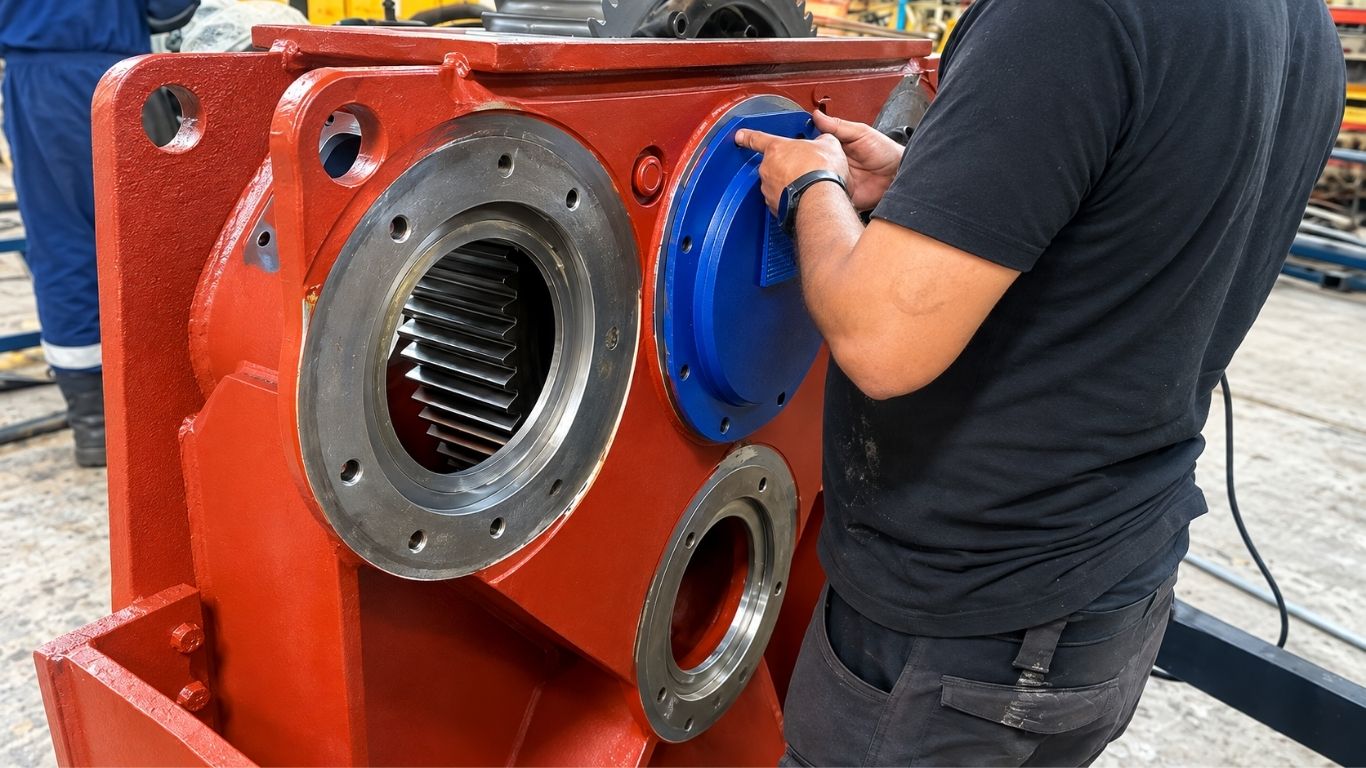
HYDRAULICS VS PNEUMATICS: WHEN TO USE WHICH
Working medium: Hydraulics uses hydraulic fluid. Pneumatics uses compressed air.
Operating pressure: Hydraulics operates at up to 350 bar and above. Pneumatics typically operates at 6 to 10 bar.
Force output: Hydraulics produces very high force. Pneumatics produces low to medium force.
Speed: Hydraulic movement is controlled and can be slow. Pneumatic movement is fast with high cycle rates.
Precision: Hydraulics provides high force control. Pneumatics is less precise under variable load.
Return medium: Hydraulic fluid returns to the reservoir. Pneumatic air exhausts to atmosphere.
Maintenance: Hydraulics requires fluid changes and contamination management. Pneumatics requires filtration, lubrication, and leak monitoring.
Best for: Hydraulics suits heavy lift and high force work. Pneumatics suits repetitive, fast, and clean applications.
Where Pneumatics Appear Across DMA's Industries
Manufacturing and Industrial Plants
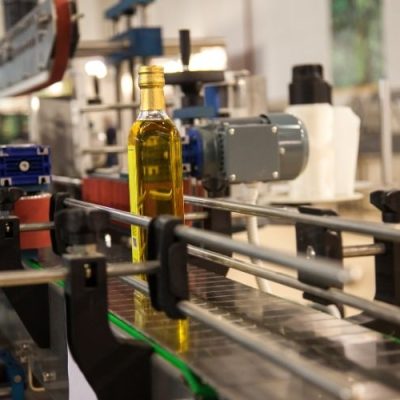
Manufacturing plants in Cape Town’s industrial areas including Epping Industria, Bellville, Blackheath, and Paarden Eiland rely on pneumatics throughout their production processes. Pneumatic cylinders clamp, press, sort, and convey materials on production lines. Pneumatic grippers handle components on assembly lines. Valve islands control process flows in packaging, food production, and chemical processing. Air-powered tools drive fasteners, cut material, and clean components throughout the production environment.
For manufacturing clients, pneumatic system reliability is directly linked to production output. A failed pneumatic actuator on a production line stops that line until the fault is resolved. A compressor that trips on overload at the start of a shift delays the entire plant. The maintenance standards that apply to hydraulic systems apply equally to pneumatics, and the consequences of neglecting them are just as immediate.
Marine and Offshore Applications
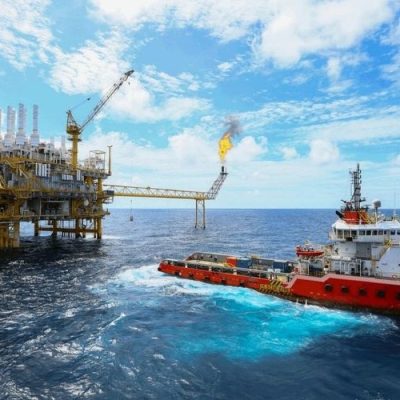
Pneumatic systems appear throughout commercial vessels and offshore installations, often working alongside hydraulic systems to manage different aspects of vessel operation. Pneumatic control systems operate valves in cargo handling, ballast systems, and fuel transfer circuits on commercial vessels. Engine room pneumatics control air-start systems for main engines and auxiliary machinery. On offshore platforms, pneumatic actuation is used extensively in process control, safety shutdown systems, and wellhead valve operation.
Marine pneumatic systems operate in the same demanding environment as hydraulic systems. Salt air, humidity, temperature cycling, and vibration all accelerate wear and corrosion in pneumatic components. Valves corrode. Seals degrade. Moisture in compressed air causes rust inside cylinders and valve bodies. Regular servicing and attention to air quality upstream of pneumatic components keeps marine pneumatic systems reliable through extended voyages and offshore deployment periods.
Earthmoving and Construction Equipment
Pneumatic systems appear on larger earthmoving machines and construction equipment in specific applications. Air braking systems on heavy earthmoving vehicles use compressed air for reliable, high-force braking. Pneumatic suspension systems on some heavy transport vehicles use air bags rather than conventional spring systems. Compaction equipment uses pneumatic hammers and vibration systems powered by compressed air. Pneumatic tools including jackhammers, impact wrenches, and grinders are standard on construction sites and depend on a reliable compressed air supply.
Agriculture and Farming
Pneumatic systems appear in agricultural processing and packaging facilities across the Western Cape. Grain handling facilities use pneumatic conveying to move grain between storage areas and processing equipment. Fruit packing facilities use pneumatic grippers and sorting systems. Spray systems on larger agricultural equipment use compressed air for atomisation. Pneumatic seeders on large-scale grain farming operations use air to carry seed through distribution tubes to the openers. On dairy farms, pneumatic milking systems are standard.
Logistics and Transport
Air brake systems on commercial trucks, trailers, and buses are pneumatic systems that require regular maintenance to remain safe and roadworthy. Air suspension systems on some heavy transport vehicles and buses use pneumatic air bags that require inspection and replacement as part of routine maintenance. Pneumatic door systems on buses and certain cargo vehicles operate on compressed air circuits that require attention when they develop leaks or sluggish response.
Why Pneumatic Systems Fail
Pneumatic failures follow consistent patterns across industries. Understanding them helps maintenance teams catch problems before they cause downtime.
Moisture in the Air Supply
Compressed air contains water vapour drawn in from the atmosphere. When air is compressed, that moisture concentrates. If the compressed air is not properly dried before entering the distribution circuit, moisture travels through the system and causes corrosion inside cylinders, valve bodies, and fittings. Rust particles from corroded internal surfaces then circulate through the circuit and accelerate wear in seals and valve spools.
A well-maintained compressed air dryer and regular drain valve operation on receiver tanks and filter bowls prevents moisture from entering the system. A neglected air dryer is the most common root cause of widespread pneumatic component failure in industrial plants.
Contaminated or Insufficient Lubrication
Pneumatic cylinders and some valves require lubrication to protect moving surfaces and extend seal life. Inline lubricators in the air supply circuit introduce a fine oil mist into the compressed air, which carries through to the components downstream. A lubricator that runs dry stops delivering oil to the components it serves. Seals dry out and crack faster. Cylinder bores score. Valves stick.
Checking lubricator levels as part of daily plant maintenance is a simple practice that prevents accelerated wear across multiple downstream components.
Seal and O-Ring Failure
Pneumatic seals are subject to the same degradation mechanisms as hydraulic seals. Ozone, heat, UV where exposed, chemical exposure in processing environments, and simple fatigue from cycling all attack seal materials over time. A seal that begins to fail in a pneumatic cylinder allows compressed air to bypass, reducing the force the cylinder produces and causing erratic movement.
Unlike a hydraulic leak which produces visible fluid, a pneumatic seal failure produces only a hissing sound or a subtle loss of performance. It is easy to miss until the cylinder stops functioning altogether. Listening for air leaks as part of routine plant rounds identifies seal failures before they become stoppages.
Valve Sticking and Solenoid Faults
Directional control valves in pneumatic systems fail through contamination, corrosion, and solenoid coil failure. A contaminated valve spool sticks and causes the actuator it controls to stop mid-cycle or fail to change direction. A failed solenoid coil means the valve receives an electrical signal but does not shift.
On production lines where multiple actuators run in sequence, a single stuck valve can stop the entire cycle and halt production until the fault is identified and resolved.
Compressor and Air Supply Problems
A pneumatic system is only as reliable as its air supply. A compressor that is not delivering sufficient pressure or volume causes system-wide performance degradation. Actuators slow down, tools lose power, and pressure-sensitive control systems behave erratically. Compressor faults develop through belt wear, valve wear, oil carryover into the air supply, and overheating from blocked cooling or low oil levels. Regular compressor servicing maintains the reliable air supply that every downstream pneumatic component depends on.
Maintaining Pneumatic Systems: What Good Practice Looks Like
Pneumatic maintenance is less demanding than hydraulic maintenance in some respects. There is no fluid to sample and analyse, no large reservoir to monitor, and no high-pressure fluid injection risk from a component failure. But the basic discipline of regular inspection and proactive component replacement applies just as much.
Daily Checks
Drain filter bowls and receiver tanks of accumulated moisture. Check lubricator levels and refill with the correct oil. Listen for air leaks, because a hissing sound from a fitting, valve, or cylinder connection indicates a leak that is wasting compressed air and reducing system pressure. Check compressor operating pressure and cycle behaviour. An air compressor that cycles on and off more frequently than normal is compensating for a leak in the distribution system.
Scheduled Servicing
Replace filter elements at the manufacturer’s recommended interval. Inspect cylinder rods for scoring and seal condition. Test solenoid valve response across all circuits. Check compressor belts, valves, and oil level. Verify that air dryer performance is within specification by checking the dew point of the supply air. On marine systems, inspect all fittings and valve bodies for corrosion and treat or replace components showing visible deterioration.
Air Quality
The quality of the compressed air supply determines the service life of every component downstream. Investing in proper filtration, regulation, and drying at the compressor outlet protects the entire system. For sensitive pneumatic control systems and instrumentation, air quality to ISO 8573 standards may be specified. Confirming that the air supply meets the required cleanliness and dryness standard is the most cost-effective form of pneumatic maintenance available.
DMA's Pneumatic Capability in Cape Town
Pneumatic systems have been part of DMA’s service offering since the beginning. The Pneumatic Solutions half of our name is not a label. It reflects work we carry out every week for clients across every industry we serve.
Our pneumatic services include fault diagnosis and repair of pneumatic cylinders, valve banks, solenoid valves, and control systems. We carry out pneumatic installations for new equipment, plant upgrades, and vessel refits. We supply pneumatic components including cylinders, valves, fittings, tubing, filter-regulator-lubricator units, and compressed air accessories from our Paarden Eiland facility. We service compressed air systems and can advise on air quality requirements for specific applications.
For clients who have both hydraulic and pneumatic systems on the same equipment or facility, DMA provides a single point of contact for both. A vessel with hydraulic deck machinery and pneumatic control systems, or a manufacturing plant with hydraulic presses and pneumatic production line actuators, does not need separate service providers for each technology. We manage both.
If you have a pneumatic system in Cape Town that needs attention, or if you are planning a new pneumatic installation, contact DMA Hydraulics and Pneumatic Solutions. Our team is based in Paarden Eiland and available across Cape Town and the Western Cape.

Frequently Asked Questions
What is the difference between a hydraulic system and a pneumatic system?
Hydraulic systems use pressurised fluid to transmit force. Pneumatic systems use compressed air. Hydraulics operates at much higher pressures and produces much greater force, making it suitable for heavy lifting and high-load applications. Pneumatics operates at lower pressure and is better suited to fast, repetitive, lighter-duty applications. DMA works on both.
What pneumatic components does DMA repair?
We repair pneumatic cylinders, directional control valves, solenoid valve assemblies, valve banks and manifolds, actuators, and compressed air treatment equipment including filters, regulators, and lubricators. Contact us with the specific component and we can confirm our capability for your application.
How do I know if my pneumatic system has a leak?
The most common sign is a hissing sound from fittings, valve bodies, or cylinder connections. A compressor that cycles more frequently than normal is usually compensating for a leak in the distribution system. Actuators that move more slowly than usual or fail to complete their stroke may have internal seal leakage. Any of these signs warrants investigation.
Can moisture in compressed air damage pneumatic components?
Yes. Moisture in the air supply is the single most common cause of widespread pneumatic component failure. It causes corrosion inside cylinders and valve bodies, produces rust particles that circulate through the system and wear seals and valve spools, and causes solenoid valves to stick and corrode. A functioning air dryer and regular drain valve operation on filter bowls and receiver tanks prevents moisture from entering the circuit.
Does DMA supply pneumatic components and parts?
Yes. We supply pneumatic cylinders, valves, fittings, tubing, filter-regulator-lubricator units, and compressed air accessories from our Paarden Eiland facility. We stock commonly required items and can source specialised components for specific applications.
Can DMA work on both hydraulic and pneumatic systems on the same equipment?
Yes. Many of our clients have both hydraulic and pneumatic systems on the same vessel, machine, or facility. We handle both as a single service provider, which simplifies maintenance scheduling and means the team working on your equipment understands the full system rather than just one part of it.
Does DMA carry out pneumatic installations as well as repairs?
Yes. We install pneumatic systems for new equipment, plant upgrades, and vessel refits. This includes compressor selection and installation, distribution circuit design and pipework, valve and actuator installation, and commissioning. Contact our team to discuss the scope of a new installation.
Hydraulics and Pneumatics: Both Covered, One Team
Whether your system runs on fluid or air, DMA Hydraulics and Pneumatic Solutions has the capability to diagnose, repair, maintain, and install it. Our team in Paarden Eiland, Cape Town provides pneumatic services to the same standard we apply to hydraulic work: diagnosis first, correct repair, verified result.
If you have a pneumatic fault that needs attention, a system that is due for servicing, or a new pneumatic installation to plan, contact our team. We cover Cape Town and the Western Cape and can discuss your requirements and advise on the best approach.
Call us or send a WhatsApp to speak to our team directly.