A fishing vessel is only earning when it is at sea. Every day alongside is a day without catch. So when a Cape Town fishing trawler brought its main winch ashore for a planned overhaul, the brief was clear: rebuild it correctly, return it to full specification, and do it within a timeframe that kept the vessel’s schedule on track.
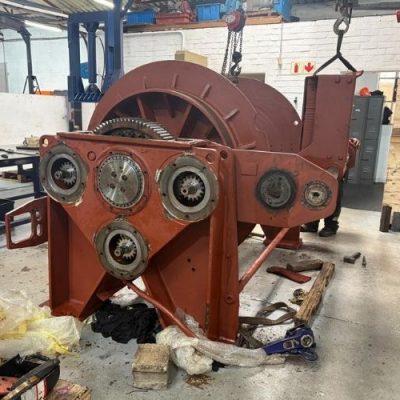
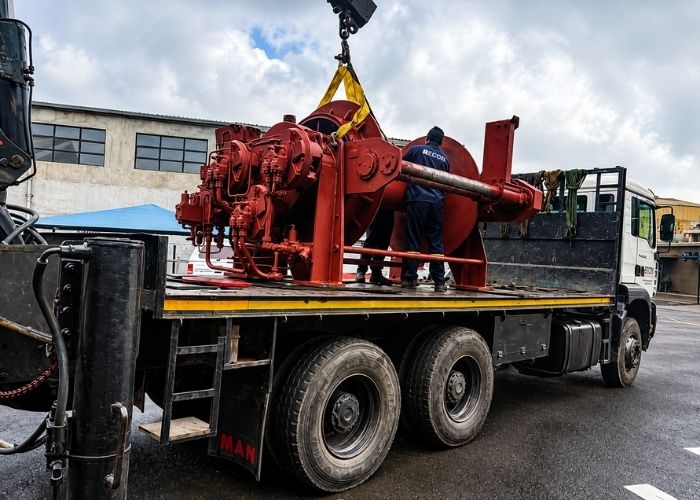
DMA Hydraulics and Pneumatic Solutions took the winch into our Paarden Eiland workshop, stripped it down completely, rebuilt every hydraulic and mechanical component that required attention, and returned it to the vessel fully restored and ready for sea trials.
This is the full account of that project.
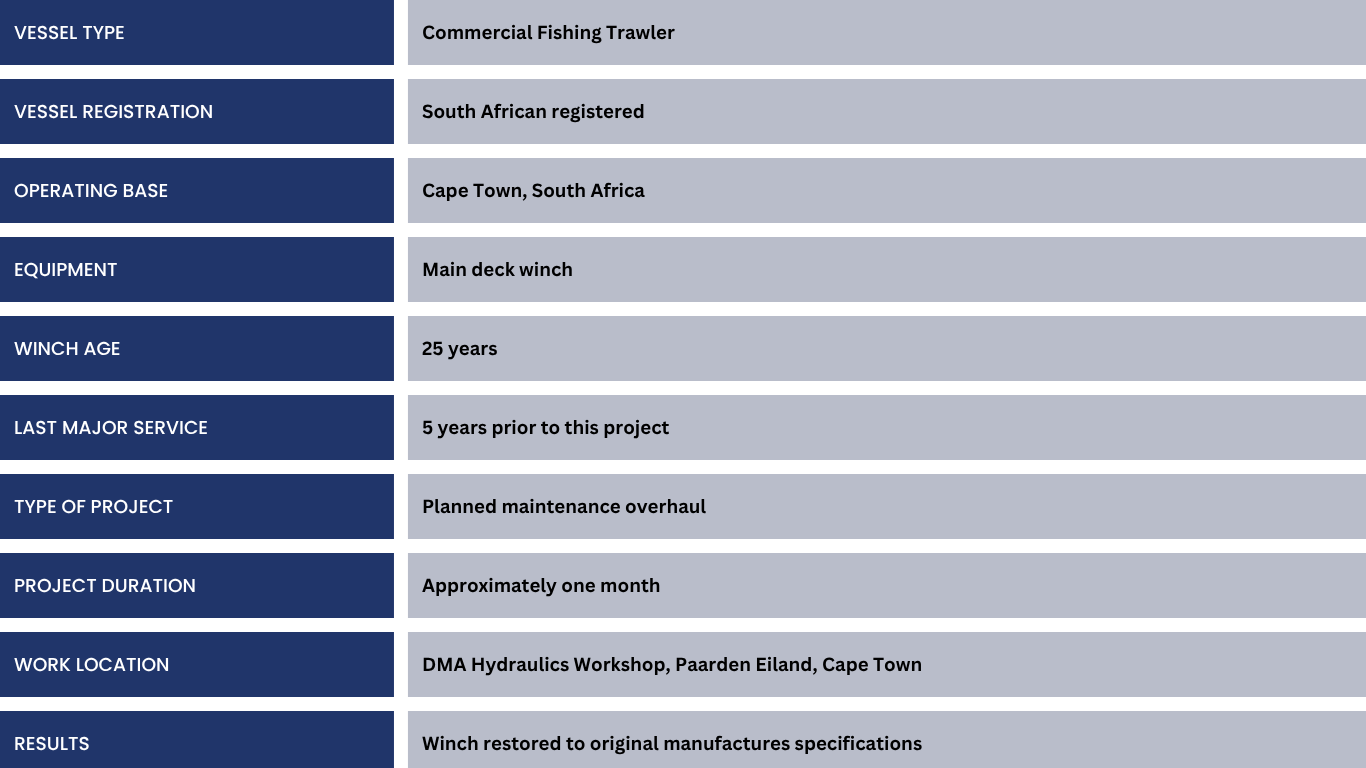
Project Snapshot
The Vessel and the Winch
The vessel is a South African registered commercial fishing trawler operating out of Cape Town. Like most working fishing vessels, it depends entirely on its deck winch for commercial operations. The main winch handles the trawl gear, hauling nets and managing the wire under the continuous load and cycle demands of active fishing.
The winch had been in service for 25 years, an age that is not unusual for well-maintained marine equipment but that does require serious attention to keep the system performing to specification. Its last major service had taken place five years before this project. In the intervening period, the winch had continued working through regular fishing operations.
By the time the vessel came alongside for the planned maintenance period, the winch was showing its age. It was slow compared to its original performance, leaking from multiple seal areas, and running noisily in operation. None of these symptoms were causing an immediate failure, but left unaddressed they would eventually result in either a significant breakdown at sea or a loss of operational performance that affected the vessel’s fishing capability.
The decision to bring the winch ashore for a full overhaul rather than attempt running repairs on board was the right one. A 25-year-old winch with seal wear, noise, and reduced performance across multiple systems requires a workshop environment, proper lifting equipment, and full access to all components to be rebuilt correctly.
What the Overhaul Involved
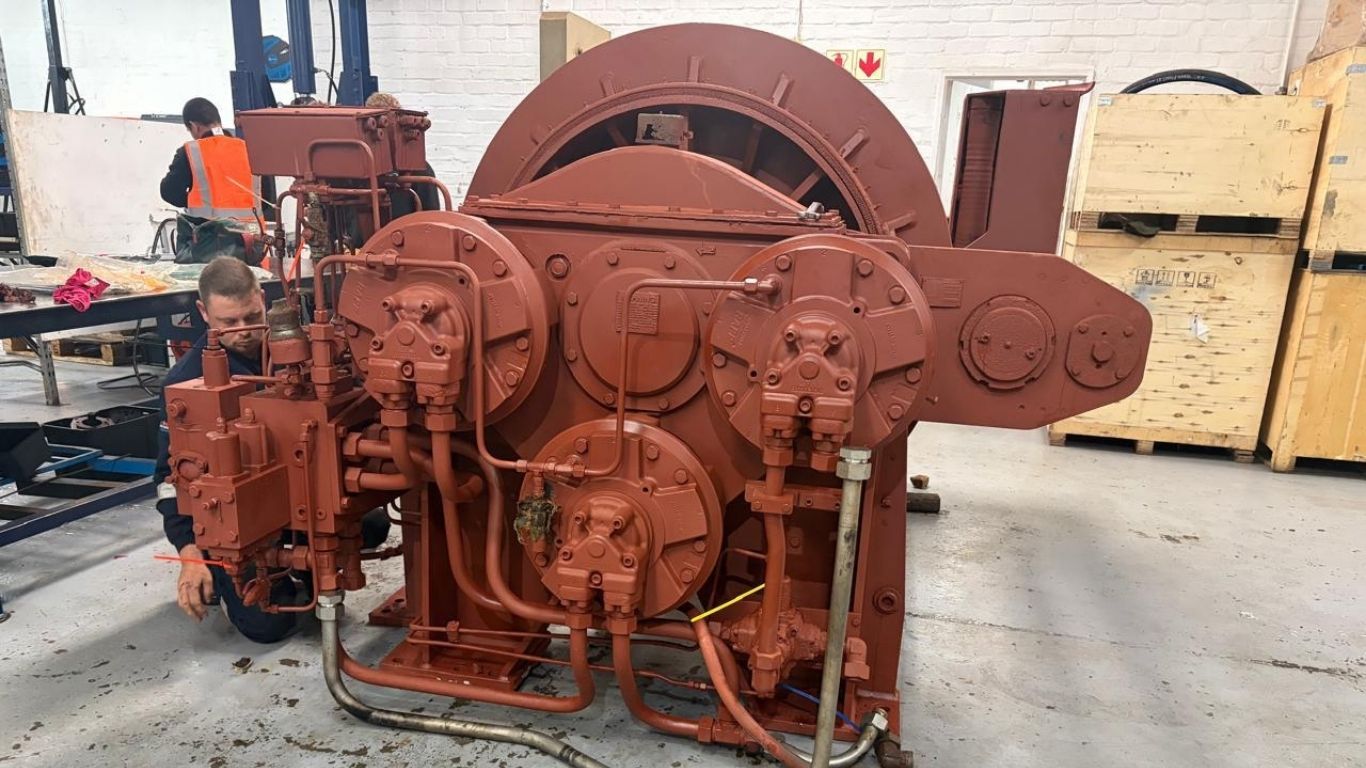
Once the winch arrived at our Paarden Eiland workshop and the strip-down was complete, the full scope of work became clear. The inspection confirmed what the symptoms suggested: wear was widespread across the hydraulic and mechanical systems, and a comprehensive rebuild rather than targeted component replacement was the correct approach.
Hydraulic Motors
The winch carries multiple hydraulic motors that drive the drum and ancillary functions. All hydraulic motors were fully rebuilt. On a 25-year-old winch that has not had a major hydraulic service in five years, motor internals accumulate wear that reduces volumetric efficiency, generates heat, and contributes directly to the slow, noisy operation the crew had been experiencing. Rebuilding the motors to specification restores full drive torque, proper speed response, and quiet operation.
Control Valves
The directional control valves that manage fluid flow to the winch motors were rebuilt as part of the overhaul. Valve spools in marine service accumulate wear from fluid contamination and from the constant cycling demands of winch operation. Worn valve spools cause sluggish, imprecise control response. Rebuilt control valves restore the precise, responsive feel that a working winch needs for safe and efficient trawl handling.
Guiding Gear, Bushings, and Guides
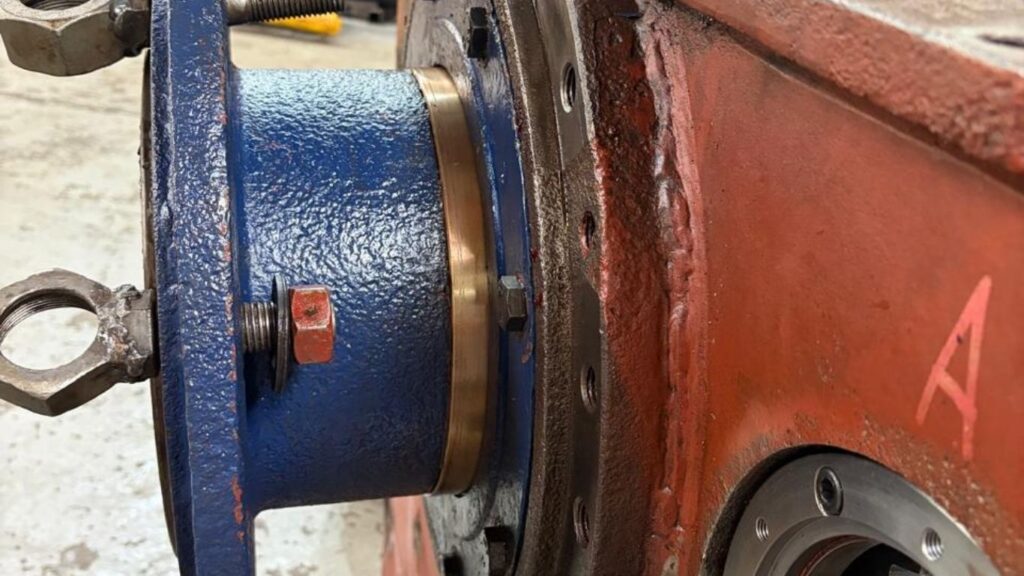
The mechanical components that guide wire and rope onto and off the winch drum, including the guiding gear, bushings, and guides, had worn beyond acceptable tolerances over 25 years of service. These were remanufactured to original specification. Correct guide geometry ensures even wire lay on the drum, which matters for both the working life of the wire and the smooth, controlled operation of the winch during hauling.
Seal Areas
Multiple seal areas on the winch housing and motor mounting faces had deteriorated, causing the external leaks that were visible when the vessel came in. These seal areas were remanufactured rather than simply resealed. Where seal housing surfaces are worn, corroded, or out of tolerance, fitting new seals without addressing the housing condition produces a repair that fails again quickly. Remanufacturing the seal areas provides the correct surface condition for the new seals to function as designed.
Additional Items
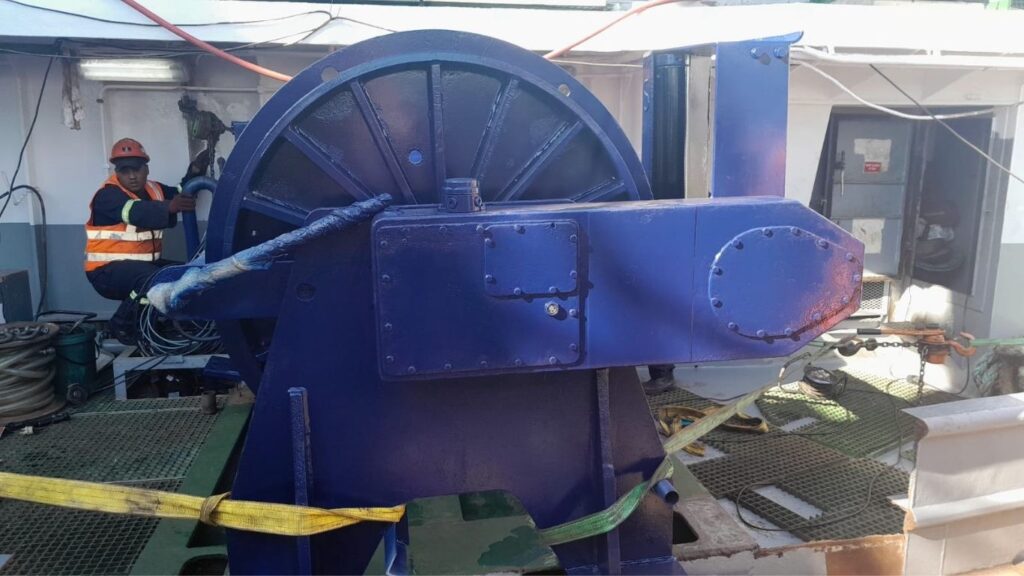
Further components were attended to as part of the complete rebuild. The winch was painted on completion, returning it to a professional and protected finish after 25 years of operational exposure. The result was a winch that looked, sounded, and performed like a machine that had been comprehensively restored rather than patched.
“It has all been on time, on budget, and a successful turnaround so far.” — DMA Hydraulics Operations Manager
The Result
The complete overhaul took approximately one month from the winch arriving at our workshop to reinstallation on board. For a project of this scope, involving full hydraulic motor rebuilds, control valve work, remanufactured mechanical components, and seal area restoration across a 25-year-old main winch, that timeline reflects well-organised workshop practice and a clear scope of work from the outset.
The winch is now performing to its original manufacturers specifications. The slow response that the crew had been working around is resolved. The external leaks are gone. The noise that had become a background constant during winch operation is no longer present. The rebuilt motors deliver full torque and the rebuilt control valves give the operator the precise, responsive control the winch was designed to provide.
The vessel owner confirmed the project was delivered on time and on budget. There were no surprises during the strip-down, no scope changes mid-project, and no delays returning the winch to the vessel. A sea trial is scheduled to put the vessel and all systems through their operational checks before returning to fishing. The hydraulic winch is ready for it.
What this Project Demonstrates
This project is a straightforward example of planned maintenance done correctly. The vessel owner identified that a 25-year-old winch with a five-year gap in major servicing needed attention. Rather than waiting for a failure at sea, they brought the vessel in during a maintenance window, removed the winch, and commissioned a complete rebuild while the vessel was alongside.
The approach avoided the worst-case outcome: a winch failure during active fishing operations, potentially far from port, with limited access to the specialist workshop and parts needed to carry out a proper repair. A winch failure at sea on a fishing trawler is not a minor inconvenience. It is an emergency that ends the trip, costs the catch, and may require expensive emergency support to get the vessel back to port.
Planned maintenance, carried out in a controlled workshop environment with the right equipment and expertise, consistently produces better outcomes than reactive repairs. The cost is lower, the quality of the repair is higher, and the vessel returns to service with confidence rather than uncertainty.
For fishing vessel operators managing fleets out of Cape Town, the message from this project is simple. A winch that is slow, leaking, or noisy is a winch that is telling you it needs attention. Acting on those signals during a planned maintenance window is the right response.
Marine Hydraulic Overhaul Service in Cape Town
DMA Hydraulics and Pneumatic Solutions carries out hydraulic overhauls, repairs, and maintenance for commercial fishing vessels, cargo vessels, offshore support craft, and other marine operations from our Paarden Eiland workshop in Cape Town.
Our marine hydraulic capabilities include full winch rebuilds and overhauls, hydraulic motor rebuilds, control valve service and rebuild, seal area remanufacturing, hydraulic power unit service, hose replacement, pressure testing, and fluid servicing. We handle large marine hydraulic components in our workshop and have the lifting capacity and tooling to work on main winches, anchor windlasses, and other major deck machinery.
We support vessels operating out of Cape Town as well as international vessels calling at Cape Town for maintenance during port calls. Our team understands the timelines that commercial marine operations work to and structures our work accordingly.
If you have a vessel with a winch, windlass, or other marine hydraulic system that needs attention, contact DMA Hydraulics to discuss the scope of work and what a realistic timeline looks like for your situation.