A hydraulic fault on ordinary industrial equipment can stop production. A hydraulic fault offshore can affect lifting operations, deck machinery, drilling equipment, vessel handling and other systems operating in an environment where immediate workshop support may be hundreds of kilometres away. The consequences of getting a repair wrong are therefore very different.
Offshore hydraulic systems are expected to operate under heavy loads, repeated duty cycles, salt exposure, vibration and changing weather conditions. At the same time, equipment may need to satisfy requirements set by the operator, original equipment manufacturer, flag or coastal state, classification society and the installation’s own safety management system. Reliability is not simply a maintenance objective in this environment. It forms part of managing operational risk.
DMA Hydraulics and Pneumatic Solutions supports marine and offshore hydraulic equipment from our Paarden Eiland workshop in Cape Town. Our work includes fault finding, component repair and rebuilding, hydraulic installations, testing, servicing and the supply of hydraulic components for marine applications. For offshore operators and support vessels, the objective is straightforward: hydraulic equipment must be fit for the work it is expected to perform.
Why Offshore Hydraulic Systems Face Different Demands
Hydraulics is particularly suited to offshore operations because substantial force can be generated and controlled through relatively compact equipment. That makes hydraulic power useful wherever heavy loads need to be lifted, tensioned, positioned or controlled. The challenge is that the equipment must deliver that performance repeatedly in one of the harshest operating environments encountered by mechanical systems.
Saltwater and salt laden air are persistent concerns. Exposed hydraulic cylinder rods, fittings, manifolds, hose connections and equipment housings can experience corrosion if protective systems deteriorate. Corrosion around a fitting may begin as a surface issue, but deterioration around sealing faces and connections can eventually create leakage or make components difficult to service safely.
Water contamination presents another risk. Hydraulic oil relies on maintaining the correct properties to lubricate pumps and motors, transfer power and protect internal components. Moisture entering a reservoir through damaged seals, breathers or condensation can compromise those properties and contribute to corrosion inside precision components.
Temperature, vibration and duty cycle add further stress. A deck winch hauling repeatedly, a crane working cargo or a hydraulic power unit supplying continuous operations may spend long periods under substantial load. Hoses flex. Connections experience vibration. Oil heats. Seals cycle continuously. Components that appear satisfactory during a visual inspection may already be developing internal wear.
Offshore maintenance therefore cannot rely solely on whether a component is leaking today. Condition, performance and the consequences of failure all need to be considered.
Where Hydraulics Are Used on Offshore Platforms and Rigs
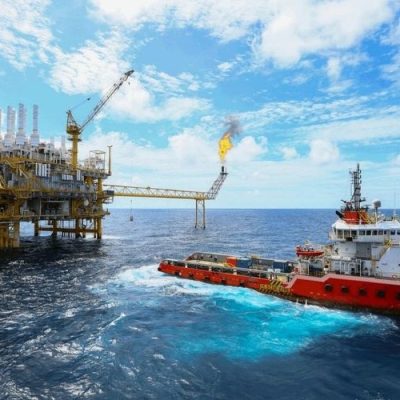
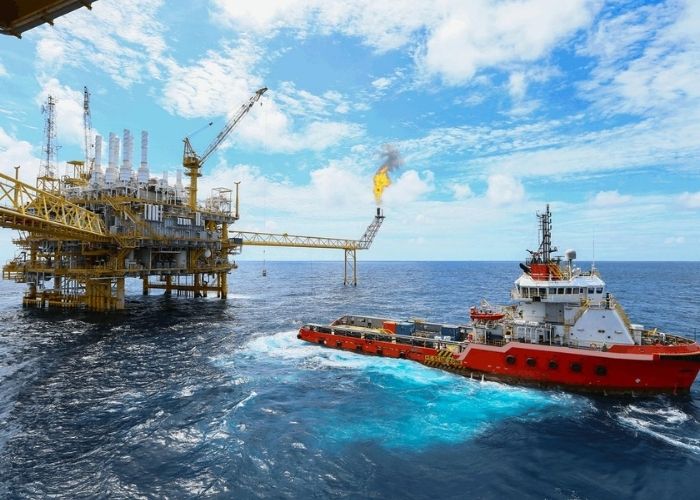
Hydraulic power is used across a broad range of offshore equipment, although the exact systems differ according to whether the installation is a drilling unit, production platform, floating production facility or support vessel.
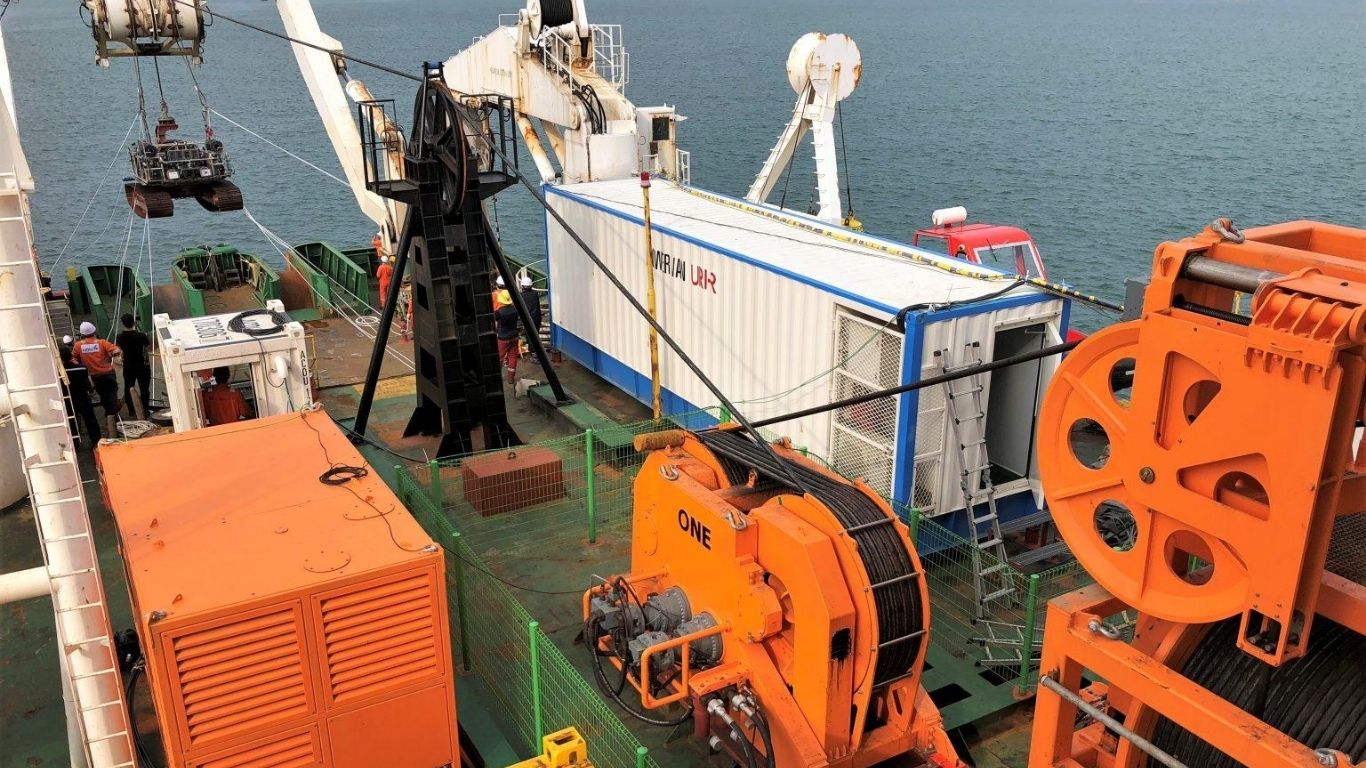
Deck machinery is one of the most visible applications. Winches, windlasses, capstans and handling equipment use hydraulic motors and cylinders because the system can generate high torque and controlled movement in a relatively compact package. Reliable control is particularly important where heavy equipment, cables or loads are being handled close to personnel.
Offshore cranes and lifting equipment also make extensive use of hydraulics. Hydraulic cylinders control boom functions while hydraulic motors may drive winches and slewing systems. Pressure control, load holding and smooth response are essential because unexpected movement under suspended load introduces obvious operational risk.
Drilling and well related equipment can include hydraulically actuated systems where controlled force and dependable response are essential to the process. These applications can have specialised design, certification and maintenance requirements, so servicing must always be performed against the specifications and procedures applicable to the particular equipment.
Support vessels introduce another layer of hydraulic equipment. Anchor handling winches, towing equipment, cranes, deck machinery and other working systems may all rely on hydraulic power. These vessels operate as part of the offshore supply chain, which means the reliability of their hydraulic systems directly affects their ability to perform the work expected of them.
What Hydraulic Failure Looks Like Offshore
Offshore hydraulic failures rarely begin with a dramatic breakdown. Many start as small changes in behaviour that become progressively more noticeable. A winch takes slightly longer to reach operating speed. A crane function becomes inconsistent. Hydraulic oil temperature starts trending higher. A cylinder begins drifting under load. Operators notice unusual pump noise or a small leak around a fitting that was previously dry.
Those changes matter because they can indicate internal leakage, pump wear, valve problems, contamination, seal deterioration or incorrect pressure control. Continuing to operate the equipment may turn a manageable repair into damage across several connected components.
Contamination deserves particular attention. Hydraulic pumps, proportional valves and control components operate with fine internal tolerances. Solid contamination circulating in the oil can score surfaces and accelerate wear, while water can affect lubrication and contribute to corrosion. A contaminated system can therefore damage a newly installed component unless the underlying contamination problem is corrected at the same time.
Heat is another warning signal rather than simply an inconvenience. Rising oil temperature can indicate internal bypass, restrictions, cooling problems or a system operating continuously against an incorrectly set relief valve. Treating the temperature itself without determining why it increased leaves the real fault in place.
Good offshore hydraulic maintenance consequently depends on diagnosis rather than assumptions. Pressure, flow, oil condition, operating temperature and component behaviour provide information that helps technicians identify the root cause before deciding what needs to be repaired.
Offshore Hydraulics and the Standards That Apply
There is no single hydraulic standard that can simply be applied to every offshore platform, rig or vessel. The applicable requirements depend on the installation, its classification, operating area, flag or coastal state requirements and the function of the equipment.
Mobile offshore drilling units are covered by the IMO’s 2009 MODU Code, which provides design criteria, construction standards and other safety measures for these units. The IMO continues to update the framework. In 2026, amendments to the 2009 MODU Code were adopted, including changes relating to machinery and electrical installations in hazardous areas.
Classification societies also publish detailed requirements covering offshore units, machinery, piping, components and associated systems. DNV maintains offshore classification rules and standards, while ABS publishes rules for mobile offshore units that include machinery, pumps, piping, valves and fittings. These requirements can extend into materials, manufacturing, testing, documentation and survey requirements depending on the application.
Safety management is equally important. The IMO’s International Safety Management Code establishes an international framework for safe ship management and operation and pollution prevention. One of its underlying principles is that identified risks to ships, personnel and the environment should be assessed and appropriate safeguards established.
For hydraulic maintenance teams, this means the specification for a repair cannot be based simply on whether a component can be made operational again. The correct component specification, approved materials where applicable, test requirements, documentation and the operator’s maintenance procedures all need to be considered before equipment is returned to service.
Why Hydraulic Hoses and Connections Need Particular Attention
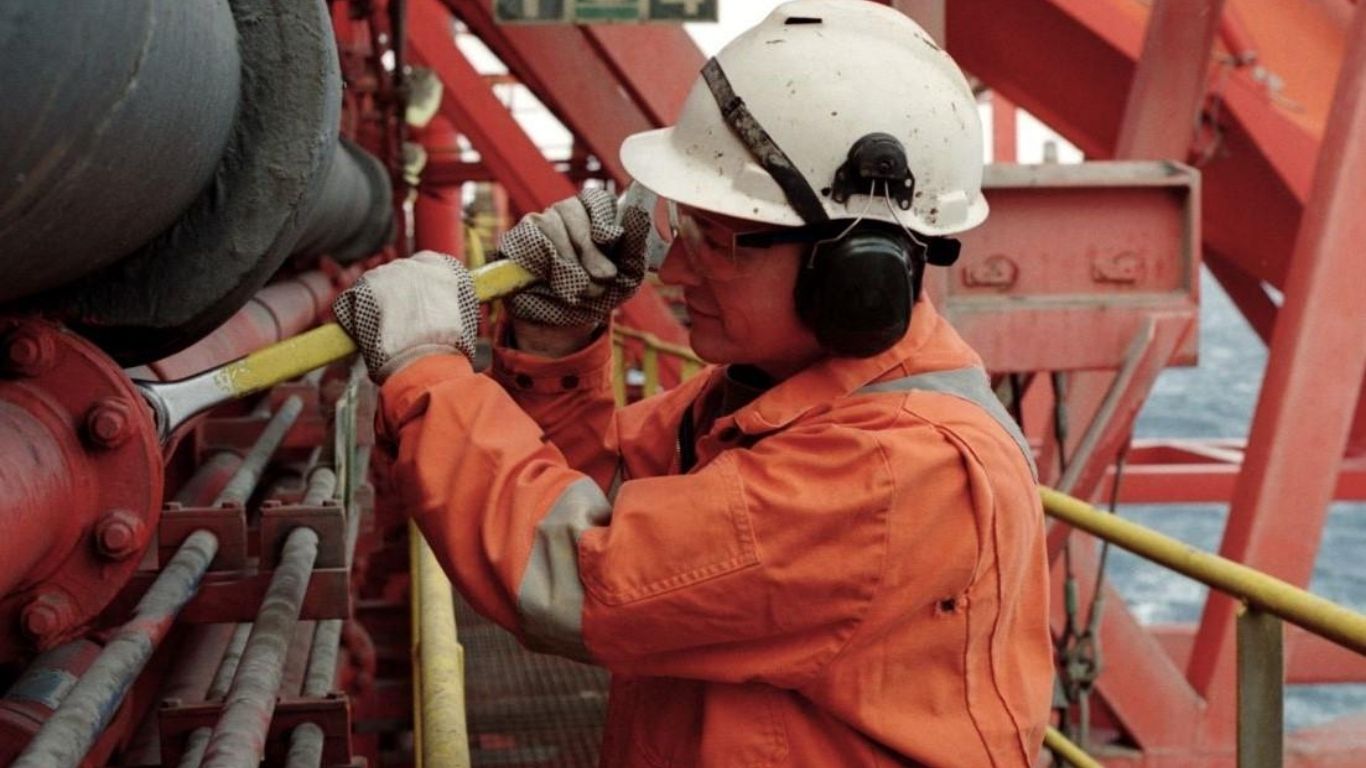
A hydraulic hose offshore lives a difficult life. It carries pressurised fluid while being exposed to vibration, movement, heat, salt and, depending on its location, mechanical abrasion. Hose condition should therefore be assessed as part of the system rather than only when visible leakage develops.
Outer cover damage can expose reinforcement to corrosion. Incorrect routing can create rubbing against adjacent structures. A hose installed with insufficient bend radius experiences additional stress every time it is pressurised. Connections that are poorly supported can transmit vibration into fittings and adjoining pipework.
Replacement also requires more than matching the diameter of the old hose. Pressure rating, fluid compatibility, temperature, end fittings, routing and the requirements applicable to the equipment all matter. Substituting an unsuitable hose because it physically fits can introduce a weak point into a system that operates under demanding conditions.
Leaks should never be checked by running a hand over a pressurised hose. A fine hydraulic leak under pressure can penetrate skin and cause a serious injection injury. Suspected leaks need to be identified using safe procedures and damaged hoses isolated before replacement.
Preventative Maintenance Matters More Offshore
Reactive maintenance is expensive in any industry. Offshore, the consequences are amplified because access to specialist personnel, workshop equipment and replacement components is more complicated.
A planned maintenance programme starts with knowing which hydraulic systems are critical to the operation. Equipment whose failure would interrupt lifting, handling, production or another essential function should receive attention based on its duty cycle, condition and consequences of failure rather than simply waiting for a calendar service date.
Oil condition provides valuable information. Sampling can reveal contamination, water ingress and wear debris before the system develops an obvious performance problem. Filters also tell a story. Unusual metallic contamination in a filter element can indicate that a pump, motor or another component is wearing internally.
Pressure and flow testing establish whether pumps, motors and control circuits are delivering the performance expected of them. Relief valve settings need to remain within the specification for the system. Cylinder rods, seals, hoses and fittings need physical inspection. Abnormal noise, temperature and movement reported by operators should be investigated rather than accepted as the normal behaviour of ageing equipment.
The objective is not to replace components unnecessarily. It is to identify deterioration early enough that maintenance can be planned instead of dictated by a breakdown.
Testing a Rebuilt Component Before It Returns Offshore
A component repaired for offshore service should not have its first meaningful performance test after it has been reinstalled.
DMA Hydraulics has an in-house hydraulic testing facility at our Paarden Eiland workshop that allows rebuilt hydraulic pumps, motors and control valves to be tested under controlled conditions. The system can monitor operating parameters such as flow, pressure, temperature, rotational speed, current draw and power consumption while the component is tested.
That capability is particularly relevant to marine and offshore work. A rebuilt pump or motor can be assessed before it returns to the vessel or installation. If an adjustment or further repair is required, the issue can be addressed in the workshop rather than discovered once the equipment has been transported, installed and recommissioned.
Testing does not replace any formal class, OEM or statutory testing and certification that may be required for a particular component or offshore installation. It provides an additional workshop verification step within the repair process and helps DMA confirm component performance against the appropriate repair specification before return to service.

Supporting Offshore Operations from Cape Town
Cape Town’s position as a major maritime service centre gives offshore operators and support vessels access to engineering and repair capability while vessels are alongside. For DMA Hydraulics, being based in Paarden Eiland means marine hydraulic work can be supported from a workshop close to Cape Town’s port and industrial areas.
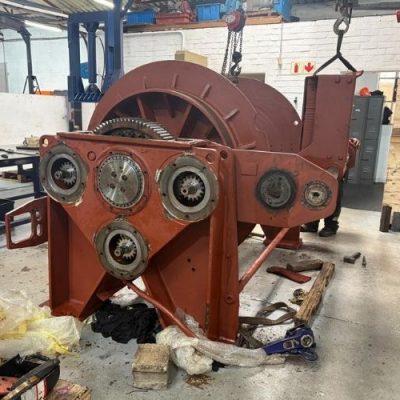
DMA Hydraulics and Pneumatic Solutions provides troubleshooting and diagnostics, hydraulic repairs and preventative servicing, complete hydraulic installations and hydraulic spares and equipment. Components requiring workshop attention can be stripped, inspected, repaired and tested at our Paarden Eiland facility.
For an offshore support vessel calling in Cape Town, the available maintenance window may be limited. Accurate information before the job begins helps our team prepare for the work, identify components and establish what can realistically be completed during the vessel’s time alongside.
Our support is not limited to South African registered vessels. DMA works with marine and offshore operators requiring hydraulic assistance while calling at Cape Town, making the city an important service point for vessels operating internationally.
Frequently Asked Questions About Offshore Hydraulic Systems
What hydraulic equipment is commonly used on offshore platforms?
Offshore installations can use hydraulic systems for cranes, winches, lifting and handling equipment, drilling related machinery and other heavy duty applications. Support vessels may also use hydraulics for anchor handling, towing and deck machinery. The exact equipment depends on the vessel or installation and its function. Each system should be maintained according to its OEM specifications and any applicable operational, classification or regulatory requirements.
Why are offshore hydraulic systems more difficult to maintain?
Salt exposure, moisture, vibration, heavy loads and extended operating cycles create demanding conditions for hydraulic equipment. Access also makes maintenance more complicated because a component that fails offshore cannot necessarily be taken immediately to a specialist workshop. Preventative inspection, oil condition monitoring and planned component servicing therefore play a particularly important role in offshore hydraulic reliability.
What causes offshore hydraulic systems to fail?
Contaminated oil, water ingress, heat, worn seals, hose deterioration, pump or motor wear and valve faults are common causes. Failures can also develop because of incorrect settings or poor previous repairs. The visible symptom does not necessarily identify the failed component, which is why pressure testing, flow testing and physical inspection should form part of the diagnostic process.
Can offshore hydraulic pumps and motors be rebuilt?
Many hydraulic pumps and motors can be rebuilt if inspection confirms that the major components remain repairable or suitable replacement parts are available. The unit should be stripped and measured before the repair scope is confirmed. DMA Hydraulics can rebuild and test hydraulic pumps and motors at our Cape Town workshop, subject to the particular component and repair requirements.
Should a rebuilt hydraulic component be tested before installation?
Where practical, yes. Workshop testing provides an opportunity to assess a rebuilt component before the cost and time involved in reinstallation. The required test depends on the component and application. Offshore equipment may also be subject to additional OEM, class, statutory or operator testing requirements, so workshop testing should form part of the appropriate verification process rather than replace required certification.
Does offshore hydraulic equipment need to meet classification requirements?
It depends on the unit, equipment and its function. Offshore installations and mobile offshore units can be subject to requirements from flag and coastal states, classification societies and international frameworks such as the MODU Code. Owners and operators should establish the requirements applicable to their particular installation before repairs or modifications are undertaken.
Can DMA Hydraulics support international offshore vessels in Cape Town?
Yes. DMA Hydraulics is based in Paarden Eiland and provides marine hydraulic repair, servicing, component rebuild and testing capability for vessels requiring support in Cape Town. Providing equipment details, photographs, specifications and the available port window before arrival helps our team assess the requirement and prepare for the work.
Offshore Hydraulic Reliability Starts Before Failure
Offshore hydraulic systems work in conditions where small maintenance issues can become expensive operational problems. Salt, moisture, heat, vibration and heavy duty cycles continually test pumps, motors, valves, cylinders, hoses and connections. The distance from specialist workshop support makes early diagnosis and planned maintenance even more valuable.
The standard of repair matters too. Components need to be repaired against the correct specification, tested appropriately and handled in accordance with the requirements applying to the particular vessel, unit or installation.
DMA Hydraulics and Pneumatic Solutions supports offshore and marine hydraulic operations from our Paarden Eiland workshop in Cape Town, including troubleshooting, repairs, component rebuilds, hydraulic testing, installations and component supply.
If your offshore platform, rig or support vessel has hydraulic equipment requiring maintenance or repair, click the WhatsApp button to speak to our team about the equipment, scope of work and operational timeframe.
Use a real DMA workshop or hydraulic test facility image here rather than another offshore stock image. This brings the reader from the offshore environment directly back to the business that can help them.