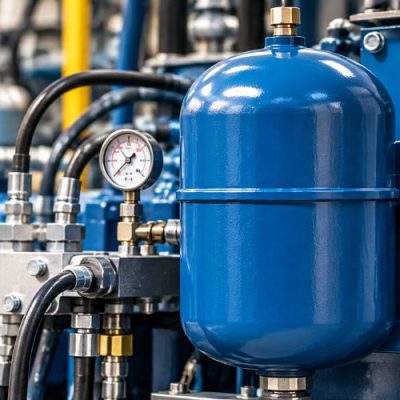
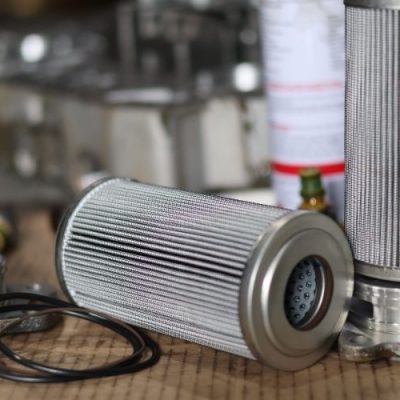
Hydraulic filters remove particles and other contamination from your hydraulic fluid before it reaches the pump, valves, motors and cylinders. Contamination is the main cause of wear in hydraulic systems, and the filter is the part that controls it. When you choose the right filter and replace it on time, your components last longer and your machine, vessel or production line stays in service. When you choose the wrong filter or leave it too long, wear speeds up and repairs cost more.
Many operators treat a filter as a routine consumable and fit whichever element is available. The wrong element can do as much harm as having no filter at all. This guide explains what hydraulic filters do, the main types, what goes wrong when a filter does not match the system, the warning signs to watch for, how to select the right filter and how to maintain it. It also shows how filtration applies in marine, construction and manufacturing work.
What a Hydraulic Filter Does
Your hydraulic fluid picks up contamination from several sources. New fluid is not always clean when it arrives. Components shed fine metal particles as they wear. Dirt and moisture enter through breathers, seals and open ports during top ups and repairs. Particles only a few microns across can score a valve spool or the surface of a pump, and each scratch lets more fluid leak past and creates more particles.
A filter traps these particles in its media as fluid passes through. Most filters have four parts: a housing, a replaceable element, a bypass valve and an indicator. The bypass valve opens when the element becomes blocked so that fluid keeps flowing, but the fluid that passes through the bypass is unfiltered. The indicator shows the pressure difference across the element, which tells you when it needs replacing.
Types of Hydraulic Filters
Suction Strainers
A suction strainer sits in the reservoir on the pump inlet line. It is a coarse filter that stops large particles reaching the pump. It must not restrict flow, because a restricted inlet starves the pump and causes cavitation.
Pressure Filters
A pressure filter sits after the pump and protects the components downstream, such as valves. It is the finest filter in most systems, and its housing and element must be rated for full system pressure.
Return Line Filters
A return line filter catches particles on their way back to the reservoir, including wear particles from cylinders and motors. It is the most common filter type and the one operators change most often.
Offline Filtration
An offline filter, also called a kidney loop, uses a separate pump and filter to clean the fluid in the reservoir while the system runs or stands idle. It suits large reservoirs and is useful for cleaning fluid after a major repair.
Breather Filters
A breather filter cleans the air that enters the reservoir as the fluid level changes. It keeps airborne dust and moisture out of the fluid, and a blocked breather can pull dirt past the seals instead.
What Happens When You Use the Wrong Filter
A filter must match the system on micron rating, flow, pressure and fluid type. If the element is too coarse, particles pass through and wear your components. If it is too fine for the application, it blocks quickly, the pressure drop across it rises and the bypass valve opens early, which means the system runs on unfiltered fluid. On a suction line, an element that restricts flow causes cavitation and damages the pump.
A pressure rating that is too low can cause the housing or element to collapse or split. Media that is not compatible with your fluid, such as water glycol or fire resistant fluid, can break down and release fibres into the system. An element with the wrong bypass setting or too little flow capacity creates high pressure drop and heat. Unbranded elements may not deliver the filtration they claim, so check the beta ratio and the manufacturer’s data before you fit one. Each of these faults is a filter problem that shows up later as worn pumps, sticking valves and leaking cylinders.
Warning Signs That a Filter Needs Attention
The first sign is the indicator. If it shows red or has tripped, the element is blocked and the system may be running on bypass. Check the indicator with the fluid at operating temperature, because cold fluid is thicker and can give a false reading.
Other signs show up in how the machine behaves. Slow response, rising fluid temperature, pump noise and erratic valve movement all point to contamination or restricted flow. When you remove an element, look at what it has caught. Metal particles show component wear, and a filter that blocks far sooner than expected shows a source of heavy contamination, such as a failing seal or a damaged breather. A fluid analysis with a rising particle count confirms the problem before a component fails.
How to Select the Right Hydraulic Filter
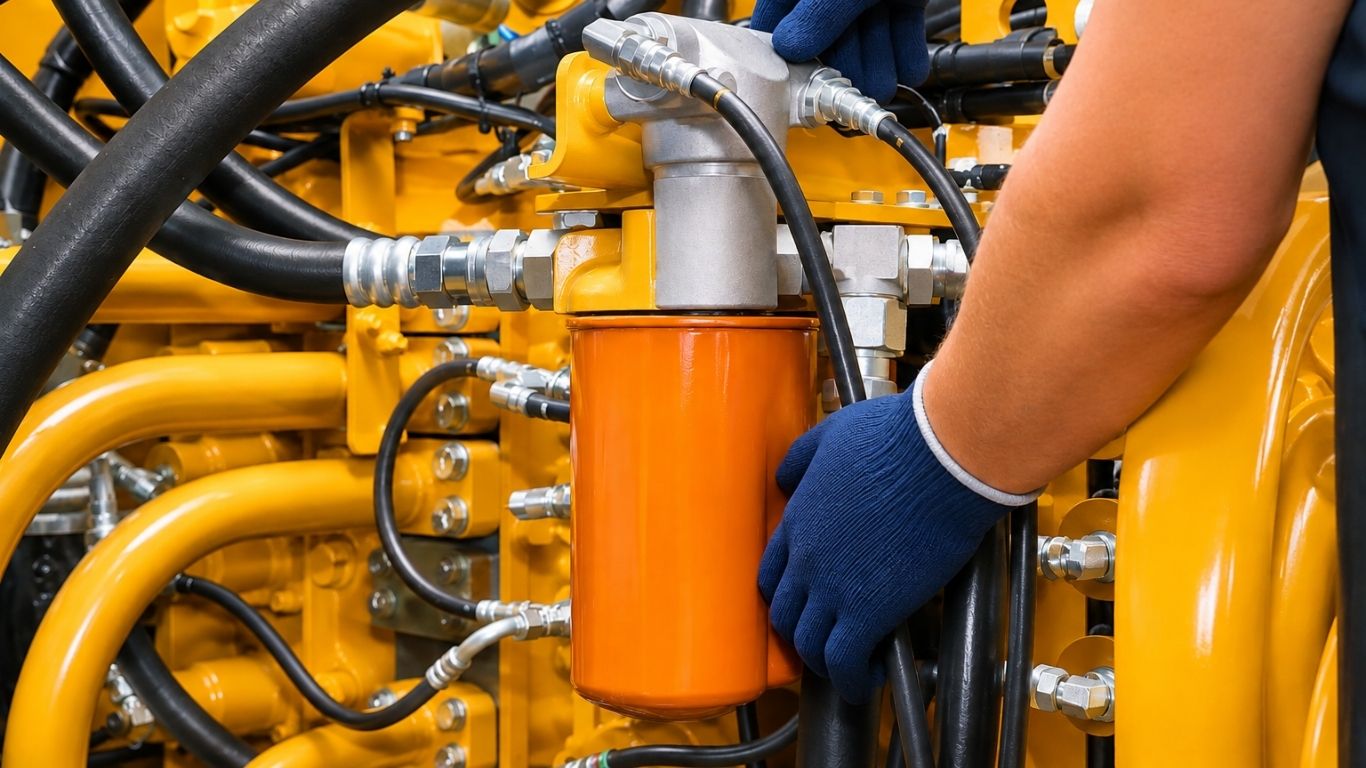
Start with the manufacturer’s specification for your machine, then confirm each of the following. The micron rating and beta ratio tell you how fine the element filters and how efficiently it captures particles. The flow rating must cover the maximum flow of the circuit, and the pressure rating must cover the maximum pressure at that point. The media must suit your fluid, and the bypass setting, connection type and size must match the housing.
Set your cleanliness target as well. Systems with servo or proportional valves need much cleaner fluid than a simple system with a gear pump, and cleanliness is measured with the ISO 4406 code. Choose the filter for the most sensitive component in the circuit. Dirt holding capacity matters too, because it decides how long the element lasts between changes. If you only have a part number from another brand, cross reference it carefully, and send us the machine details if you are unsure.
The Importance of Hydraulic Filtration Across Industries
Marine and Offshore
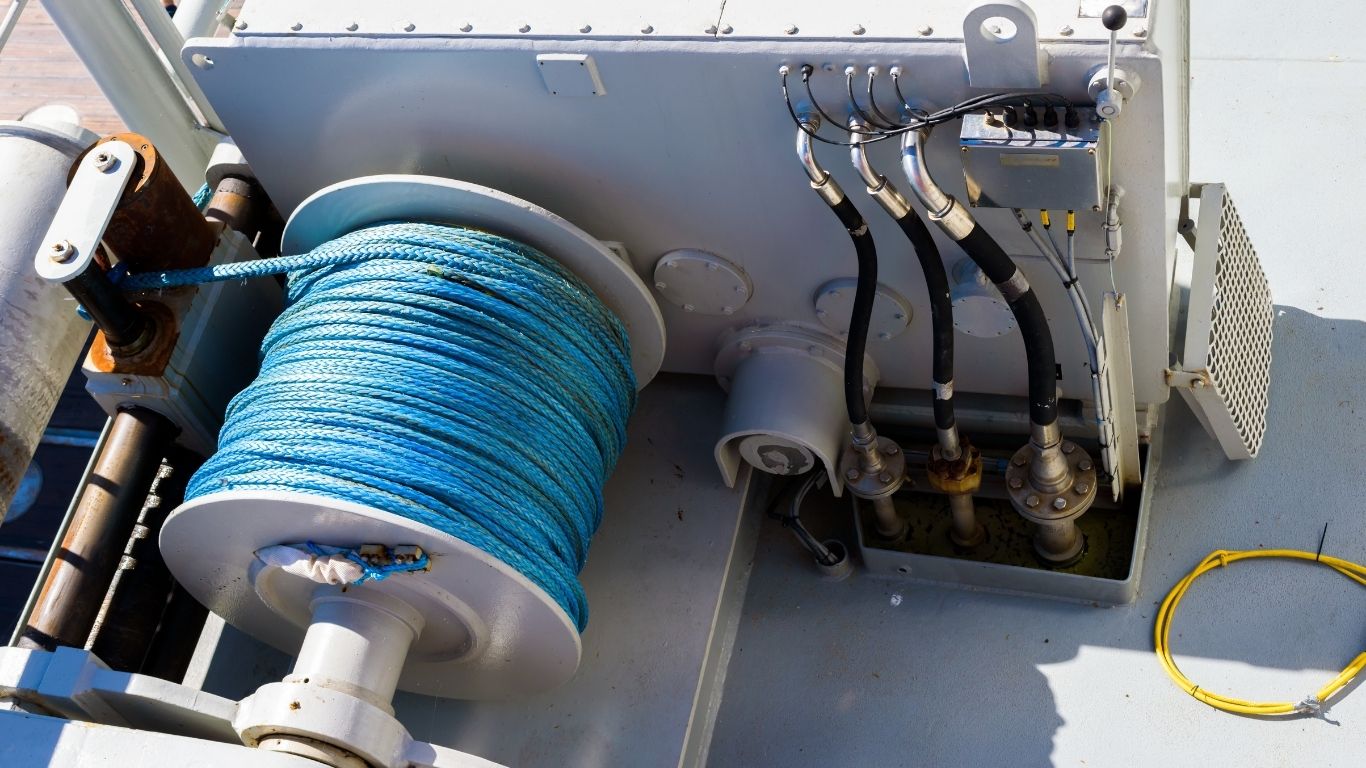
Winches, steering gear and deck cranes work in salt air, with water ingress and long periods between port calls. A filter on a vessel has to hold up through a whole voyage, so carry spare elements and breathers on board and check the indicators on every watch. Water in the fluid also blocks elements faster and damages components, so check fluid condition at each service.
Construction and Earthmoving
Excavators, loaders and graders work in dust and mud at high duty. The filters protect the pumps, motors and cylinders that carry the load, and the breather is the first defence against dust on site. On dusty sites around Cape Town, replace elements sooner than the standard interval and inspect the breather each service.
Manufacturing and Industrial
Hydraulic presses, production machinery and power units often run for many hours without stopping, and many use sensitive valves that need clean fluid. Offline filtration keeps large reservoirs clean between scheduled stops, and regular fluid analysis shows whether your filters are doing their job.
Hydraulic Filter Maintenance
Change filters when the indicator shows blockage or at the hourly interval, whichever comes first. Change them earlier after a new installation or a major repair, because debris from the work is circulating in the fluid. Always depressurise the system before you open a housing, fit a new seal with each element and fill new elements and fluid in clean conditions.
Keep a record of each change, the element type and the condition of the removed element. Replace breathers on schedule and check them more often in dust or salt air. Take fluid samples at each service, because particle counts and water content tell you whether the filtration matches the demands on the system.
Frequently Asked Questions
How often should I change hydraulic filters?
Change them when the indicator shows blockage or at the manufacturer’s hourly interval, whichever comes first. Shorten the interval in dust, heat, salt air or heavy duty work, and after any major repair.
Can I use a finer filter than the one specified?
Not without checking the system first. A finer element blocks faster and raises pressure drop, and on a suction line it can starve the pump. Confirm flow capacity and bypass setting with the manufacturer or with us.
Can I clean and reuse a hydraulic filter element?
Most elements are disposable and cannot be cleaned to their original efficiency. Replace them and check the removed element for signs of wear.
What does a bypass valve do?
It opens when the element is blocked so that fluid keeps flowing to the system. The fluid that passes through the bypass is not filtered, so replace a blocked element promptly.
How DMA Hydraulics Can Help
DMA Hydraulics and Pneumatic Solutions supplies and sources filter elements, breathers and fluid, fits them and checks the system after the work. We diagnose contamination problems, take fluid samples, clean fluid after repairs and advise on the filter that suits your equipment. Our parts division, Hydraulic Fittings, supplies related hoses, couplings and fittings from the same Paarden Eiland address in Cape Town, so you can get diagnosis and parts from one place.
If your filter indicator keeps tripping, your elements block faster than they should, or you want a filter and fluid plan for your equipment, call or send a WhatsApp message to our team.