Why Having the Right Partner for Marine Hydraulics Matters
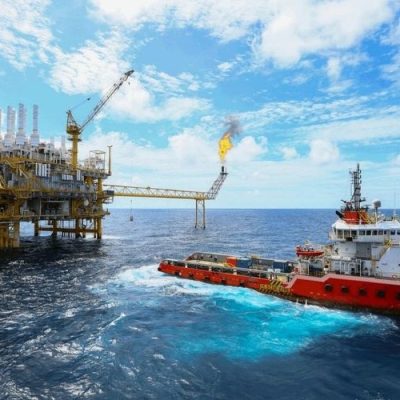
In the maritime industry, equipment reliability is not a luxury—it’s a necessity. Whether operating commercial vessels, fishing boats, offshore rigs, or luxury yachts, the cost of downtime at sea is immense. When a system fails, every second matters. That’s why sourcing high-quality marine spare parts is not only about maintenance, it’s about ensuring safety, efficiency, and continuity of operations.
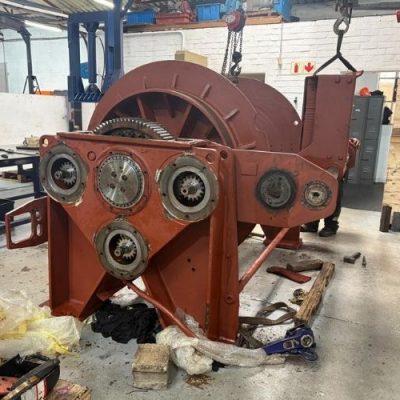
At the heart of these operations are hydraulic systems, powering everything from steering gears to cranes and winches. However, like all mechanical systems, hydraulic components experience wear and tear and must be replaced at regular intervals to keep vessels running smoothly.
In this article, we’ll explore the five marine spare parts most commonly replaced, why they matter, and how working with trusted suppliers such as Hydraulic Fittings—a sister company to DMA Hydraulics—can help you plan ahead, reduce downtime, and keep your vessels in peak condition.
Why Marine Spare Parts Are Critical
Hydraulic systems on vessels are often described as the lifeblood of maritime operations. They transfer energy, enable heavy-duty movements, and ensure precise control in harsh marine conditions. However, hydraulic components face unique challenges:
- Corrosive environments – constant exposure to seawater and humidity.
- High-pressure systems – extreme loads that stress hoses, seals, and fittings.
- Continuous operation – systems often run for long durations without pause.
These conditions accelerate wear, making it essential to plan for spare parts replacement instead of waiting for failures. Having the right spare parts on hand means a minor service issue doesn’t turn into a major operational crisis.
The Top 5 Marine Spare Parts Replaced Most Frequently
After years of experience in marine hydraulics, both Hydraulic Fittings and DMA Hydraulics have observed that certain parts tend to require replacement more often than others. Let’s break down the top five most frequently replaced marine spare parts:
1. Hydraulic Hoses
Hydraulic hoses are the arteries of a vessel’s hydraulic system. They carry pressurised fluid between pumps, actuators, and valves. Given their flexible design, hoses endure constant movement, pressure fluctuations, and harsh environmental conditions.
Why They Fail:
- Saltwater corrosion on outer layers.
- Internal damage from high-pressure spikes.
- Fatigue from continuous bending and vibration.
Impact of Failure:
A leaking or burst hydraulic hose can halt operations instantly and may even lead to environmental hazards if hydraulic fluid leaks into the ocean.
Replacement Strategy:
- Inspect hoses regularly for cracks, bulges, and abrasions.
- Replace at manufacturer-recommended intervals instead of waiting for leaks.
- Keep multiple hose types and lengths in stock to minimise downtime.
2. Seals and O-Rings
Seals and O-rings are small but critical components. They prevent leaks and maintain pressure integrity within hydraulic systems.
Why They Fail:
- Natural wear from friction and pressure.
- Chemical degradation from exposure to oils or contaminants.
- Incorrect installation leading to pinching or tearing.
Impact of Failure:
A single failed seal can cause loss of hydraulic pressure, leading to inefficient system performance or complete operational failure.
Replacement Strategy:
- Use only high-quality, marine-grade seals.
- Replace seals whenever hoses, pumps, or cylinders are serviced.
- Store spare seals in controlled environments to avoid premature degradation.
3. Hydraulic Pumps
The hydraulic pump is the heart of the system, generating the pressure required to power equipment.
Why They Fail:
- Wear from continuous operation.
- Contamination in hydraulic fluid damaging internal components.
- Cavitation caused by poor fluid supply or air bubbles.
Impact of Failure:
Without a functioning pump, all hydraulic functions come to a standstill—from winches and cranes to steering and stabilisers.
Replacement Strategy:
- Implement strict hydraulic fluid cleanliness standards.
- Use condition monitoring to track pump performance.
- Keep at least one spare pump for critical systems.
4. Valves and Control Units
Valves regulate fluid flow and pressure, while control units ensure smooth and accurate operation of hydraulic equipment.
Why They Fail:
- Contamination causing internal blockages.
- Corrosion of metal components in marine environments.
- Wear from continuous adjustments under high loads.
Impact of Failure:
Faulty valves can lead to erratic movements, safety risks, or complete loss of system control.
Replacement Strategy:
- Regular flushing and filtration of hydraulic systems.
- Periodic testing of valve response and accuracy.
- Stock critical valves in advance due to long lead times.
5. Hydraulic Cylinders
Cylinders convert hydraulic pressure into linear motion, powering essential shipboard functions like cranes, hatch covers, and winches.
Why They Fail:
- Seal wear leading to internal leaks.
- Corrosion on cylinder rods.
- Damage from overloading or misalignment.
Impact of Failure:
Cylinder failure can render equipment unusable, causing costly delays in loading, unloading, or operational tasks.
Replacement Strategy:
- Inspect rods and seals frequently.
- Protect cylinders from direct seawater exposure.
- Keep a range of seals and cylinder parts for fast repairs.
The Cost of Not Being Prepared
Marine operations are highly time-sensitive. The cost of downtime can quickly escalate into thousands of rands per hour—whether it’s a fishing vessel missing its catch window or an offshore rig losing productivity.
Having a planned spare parts strategy helps:
- Avoid unplanned breakdowns.
- Maintain safety standards.
- Ensure regulatory compliance.
- Protect revenue by keeping vessels operational.
Why Source Your Marine Spare Parts from Hydraulic Fittings
When it comes to reliability and availability, not all suppliers are equal. That’s why Hydraulic Fittings, a trusted sister company to DMA Hydraulics, plays a critical role in the supply of high-quality marine spare parts.
Hydraulic Fittings offers:
- A wide inventory of marine-grade hydraulic hoses, seals, pumps, valves, and cylinders.
- Access to reputable global brands and OEM parts.
- Technical expertise to match the right part to your vessel’s system.
- Fast, reliable sourcing to minimise downtime.
And if you’re already working with DMA Hydraulics, you can conveniently acquire your spare parts via DMA Hydraulics, with seamless support between the two companies.
This partnership ensures that marine operators have a one-stop solution for both hydraulic services and spare parts supply.
Planning Ahead: The Smart Way to Manage Marine Spare Parts
Here are a few best practices for operators who want to reduce the risk of downtime:
- Build a spare parts inventory – Stock the top 5 most frequently replaced parts for your vessel type.
- Work with trusted suppliers – Partner with Hydraulic Fittings for parts, and DMA Hydraulics for servicing and repairs.
- Follow a maintenance schedule – Replace components at manufacturer-recommended intervals.
- Train crew members – Ensure onboard staff can identify early signs of part wear.
- Plan for long lead times – Order critical parts well in advance to avoid delays.
Marine hydraulics are the lifeblood of modern maritime operations. By understanding which parts fail most often and preparing for replacements ahead of time, operators can safeguard efficiency, protect crew safety, and avoid costly downtime.
With Hydraulic Fittings as your go-to supplier—and the support of DMA Hydraulics for services—you have a trusted partner to keep your vessels moving.
Don’t wait for a breakdown to remind you of the importance of spares. Plan ahead, source smartly, and keep your operations running without interruption.