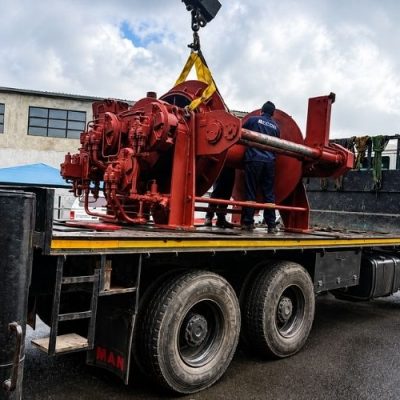
In the demanding world of marine and hydraulic systems, equipment reliability isn’t just important — it’s essential. At the heart of this reliability is regular, professional maintenance. Service coolers and water pressure systems are crucial components that often operate behind the scenes, but when neglected, they can bring operations to a halt. This week, we’re diving into how our pressure testing and cooler servicing processes help maintain optimal performance, prevent breakdowns, and extend the life of your systems — backed by real examples and expert insight.
What Is a Service Cooler?
A service cooler is responsible for regulating temperatures in hydraulic, marine, and industrial systems. It prevents overheating by dissipating excess heat through coolant fluids. When functioning correctly, it ensures that machinery operates within safe thermal parameters, protecting seals, valves, and high-pressure components.
However, like all mechanical systems, service coolers are prone to wear, clogging, corrosion, and performance degradation. That’s why regular inspection and servicing is crucial to keep them functioning at full capacity.
Why Service Cooler Maintenance Matters
Ignoring service cooler maintenance leads to a domino effect of complications. Reduced heat transfer efficiency causes the entire system to overheat, which compromises hydraulic fluid integrity, shortens component life, and eventually results in costly unplanned downtime.
Key issues that stem from poor maintenance include:
- Heat exchanger fouling or blockages
- Internal corrosion and scaling
- Leaking seals and gaskets
- Faulty thermostats or pressure relief valves
We recently conducted a full-service procedure on a cooler that had accumulated substantial marine sediment and corrosion. After pressure cleaning and component replacement, temperature regulation returned to normal along with operational frequency.
Water Pressure Testing: Not Just a Compliance Step
Water pressure testing is more than a regulatory check — it’s a critical diagnostic tool. Whether working with new builds, rebuilds, or regular maintenance, pressure testing allows us to:
- Detect hidden leaks before failure
- Verify system integrity under load
- Evaluate welds and pipe bends
- Confirm readiness for commissioning or sea trials
We use high-grade testing equipment to simulate real-world pressure loads. For example, a recent sea water cooler system was tested at 150% of its rated operating pressure to ensure long-term safety. No failures were found, but one joint showed minor sweating — which we repaired immediately to prevent future leaks.
Our Approach to Testing and Servicing
Our team follows a step-by-step process that combines precision engineering with real-world practicality:
- Initial Inspection: Visual checks for corrosion, blockages, wear or contamination.
- Disassembly: Removal of components for ultrasonic cleaning and detailed inspection.
- Cleaning & Descaling: High-pressure flushing and chemical descaling to remove debris and build-up.
- Pressure Testing: Systems are tested using controlled water pressure, simulating extreme operational conditions.
- Performance Analysis: Flow rate, temperature regulation, and pressure retention are tested.
- Reporting & Reassembly: We deliver detailed reports and photos to the client, then reassemble the unit and run post-service diagnostics.
Each step ensures your system is not only safe and functional but optimised for peak performance.
Common Faults We Discover
Our technicians have seen it all — from cracked flanges and broken baffles to blocked tubes and rusted end plates. During one recent job, we discovered marine growth that had nearly blocked 70% of a cooler’s water passage. Post-service, the temperature differential dropped by 15 degrees Celsius, showing just how critical the work was.
The Link Between System Reliability and Preventative Testing
System failures rarely happen overnight. Instead, they’re the result of progressive deterioration. Regular servicing and pressure testing provide the preventative assurance that systems can run under pressure, in extreme conditions, without risking lives, equipment, or downtime.
By investing in these procedures, businesses:
- Save money on emergency repairs
- Extend equipment lifespan
- Maintain safety and compliance
- Improve operational efficiency
Visual Evidence: Service in Action
This week’s projects included the water pressure testing of a high-pressure cooler destined for offshore use. Our technicians applied sealant grease, ran diagnostic tests, and photographed the full pressure cycle.
Another example featured a completely rebuilt cooler that had corroded to the point of failure. After cleaning, pressure testing, and retrofitting new gaskets, the unit was reinstalled and passed final sea trials with flying colours.
When to Schedule Testing and Servicing
We recommend:
- Quarterly inspections for marine applications
- Biannual servicing for high-pressure hydraulic systems
- Post-project testing after major rebuilds or installations
If your equipment hasn’t been inspected in the last 6 months, it’s time to act.
Ready to Rebuild Confidence in Your System?
From pressure testing to full system rebuilds, our team is here to help you safeguard performance, reliability, and safety.
Get in touch to book a service, request a quote, or schedule preventative diagnostics. Whether you’re preparing for commissioning, sea trials, or seasonal maintenance, we’ve got you covered.