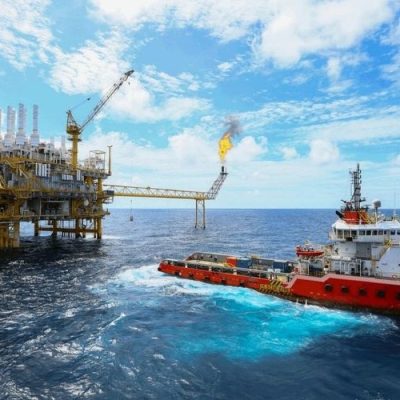
Modern marine and offshore industries are under constant pressure to improve operational uptime, reduce maintenance costs, and maintain safety in some of the harshest environments on earth. From deep-sea oil rigs to fishing trawlers and port authorities, hydraulic systems are the invisible force driving steering, lifting, propulsion, and deck operations. But what if you could see a failure coming before it happens? That’s the power of remote diagnostics and predictive maintenance — technologies that are revolutionising how vessels and offshore facilities monitor, maintain, and repair their hydraulic systems.
The Evolution of Hydraulic Maintenance at Sea
For decades, hydraulic maintenance in marine and offshore applications followed a reactive model, repairs were carried out only after something broke. While effective in emergencies, this approach meant costly downtime, expensive spare parts, and disrupted operations.
Then came preventative maintenance, where systems were serviced based on a fixed schedule. This approach improved reliability but often led to unnecessary part replacements and wasted labour when components were still performing optimally. Today, with advanced sensors, data analytics, and remote connectivity, the industry is moving towards predictive and remote maintenance — a smarter, more efficient, and data-driven way to ensure system uptime.
What Is Remote Diagnostics in Hydraulics?
Remote diagnostics allows engineers to monitor the health and performance of hydraulic systems from anywhere in the world.
By integrating sensors and telemetry into critical hydraulic components — pumps, valves, cylinders, and hoses — these systems continuously collect data on:
- Pressure fluctuations
- Temperature changes
- Flow rates
- Vibration patterns
- Fluid contamination levels
This data is transmitted in real time to monitoring stations onshore or to cloud-based dashboards, allowing DMA engineers and vessel operators to detect abnormalities long before a failure occurs.
The Role of Predictive Maintenance
Predictive maintenance takes diagnostics a step further.
By analysing patterns and trends in performance data, predictive algorithms can forecast when a component is likely to fail — enabling precise intervention before it does.
For example:
If a hydraulic pump shows increasing vibration combined with minor pressure drops, the system can alert technicians that the pump bearings are wearing out.
Maintenance can then be scheduled during port time, rather than risking an unexpected breakdown at sea.
This predictive capability means less downtime, fewer emergency repairs, and extended equipment lifespan — all critical in high-cost offshore operations.
Why It Matters in the Marine & Offshore Industries
Hydraulic systems are mission-critical in marine operations. A single failure can halt deck cranes, steering systems, or winches — costing thousands in downtime and jeopardising safety.
Let’s explore how remote diagnostics and predictive maintenance benefit DMA’s key industries:
Shipping Authorities and Port Operations
For shipping authorities and port control vessels, uptime and operational safety are non-negotiable.
Hydraulic systems power everything from steering gears and deck cranes to docking arms and hatch covers.
Remote monitoring ensures these assets remain in peak condition — even across large fleets.
Key Benefits:
- Reduced unscheduled downtime in busy harbours.
- Real-time visibility of fleet hydraulic health.
- Immediate alerts for critical system deviations.
- Lower maintenance costs through targeted repairs.
DMA’s marine solutions can integrate with existing port management systems, allowing hydraulic performance data to be monitored alongside vessel operations — giving port authorities a unified view of mechanical and operational readiness.
Commercial Fishing Fleets
In the fishing industry, hydraulic systems operate under extreme pressure. From net haulers to winches, stabilisers, and deck cranes, hydraulic performance can determine the success or failure of a fishing expedition. With unpredictable weather, continuous exposure to salt water, and long operating hours, the risk of failure is high.
Predictive maintenance ensures:
- Early detection of leaks, temperature spikes, or pressure drops.
- Maintenance scheduling between trips — not during them.
- Longer equipment lifespan through proper fluid management.
- Reduced environmental risk from oil leaks or hose ruptures.
By adopting DMA’s integrated monitoring systems, fishing fleets can maximise uptime while ensuring crew safety and sustainable fishing operations.
Offshore Oil and Gas Rigs
In offshore energy, hydraulic systems are the backbone of drilling platforms, BOP control systems, winches, and stabilisation units. A single failure can lead to multimillion-rand losses, environmental hazards, and production delays.
Remote diagnostics and predictive analytics offer:
- 24/7 monitoring of critical hydraulic components.
- Data-driven maintenance scheduling to avoid unplanned downtime.
- Enhanced safety by detecting early warning signs of failure.
- Streamlined supply chain management — ensuring parts are ordered only when needed.
DMA’s offshore solutions can be customised to withstand the harsh conditions of open-sea rigs, offering both hardware resilience and digital intelligence through sensor integration and IoT-enabled systems.
How Predictive Systems Work in Practice
Modern predictive maintenance relies on a combination of smart sensors, data analytics, and AI-driven software. Here’s how the process works in DMA’s integrated approach:
- Data Collection: Sensors continuously record system parameters such as pressure, flow, and temperature.
- Data Transmission: Information is sent to a secure monitoring platform (onshore or cloud-based).
- Analysis: Algorithms compare live data to normal operational baselines to detect deviations.
- Alerts: If a trend indicates potential failure (for example, increasing vibration in a pump), an alert is generated.
- Action: Engineers plan targeted maintenance, replacing only the affected components before failure occurs.
This seamless integration reduces human error and ensures data-driven decision-making — essential for remote vessels and offshore installations where every minute of uptime matters.
Real-World Example: Vessel Fleet Monitoring
Imagine a fleet of offshore supply vessels operating between Cape Town and West Africa.
Each vessel is equipped with DMA’s smart hydraulic monitoring package.
When a pressure valve on one vessel starts fluctuating, the system sends an automatic alert to the operations team onshore.
DMA’s technicians review the data remotely, identify a potential seal degradation, and schedule a replacement during the vessel’s next docking — preventing a costly mid-voyage breakdown.
That’s the power of remote diagnostics in action — a small investment that saves massive operational and financial costs.
Environmental and Economic Benefits
Predictive maintenance isn’t just about uptime — it’s about sustainability and responsibility.
Hydraulic failures often lead to oil leaks, system contamination, and waste from over-maintenance.
By maintaining system health through real-time monitoring, DMA helps clients reduce:
- Fluid waste through optimised change intervals.
- Environmental impact from leaks and spills.
- Unnecessary part replacements, cutting carbon footprint.
- Fuel consumption through more efficient system performance.
In industries like offshore energy and fishing — where environmental compliance is paramount — this proactive approach aligns with global sustainability goals.
The Role of DMA Hydraulics & Pneumatics
At DMA Hydraulics & Pneumatics, we don’t just respond to failures — we help you prevent them.
Our marine and offshore hydraulic systems are designed with predictive maintenance in mind, offering options for sensor integration, remote monitoring, and data analysis.
We work closely with fleet operators, oil and gas contractors, and shipping authorities to:
- Design and install intelligent hydraulic systems.
- Retrofit existing systems for sensor compatibility.
- Provide onshore data analysis and remote support.
- Conduct predictive maintenance assessments.
- Train onboard engineers to interpret hydraulic data effectively.
Whether your operations are in the Atlantic fishing zones, deepwater oil fields, or port control vessels, DMA delivers reliable, intelligent solutions tailored to your needs.
Overcoming Implementation Challenges
Transitioning from traditional maintenance to predictive systems can be challenging. Common concerns include:
- Upfront cost of sensors and monitoring systems
- Data security in offshore environments
- Integration with existing hydraulic equipment
However, with the right partner, these challenges can be overcome.
DMA assists clients through every stage — from system design to installation, calibration, and staff training — ensuring smooth adoption without operational disruption.
The Future of Marine & Offshore Maintenance
The next generation of hydraulic maintenance is smart, connected, and predictive.
As marine industries embrace Industry 4.0, DMA continues to lead with innovative, durable, and data-driven hydraulic systems that empower operators to work safer, smarter, and more efficiently.
Remote diagnostics and predictive maintenance are no longer optional — they’re the new standard for global maritime reliability.
Keeping Your Systems Ahead of the Curve
Every minute of uptime counts in the marine and offshore sectors. With remote diagnostics and predictive maintenance, DMA Hydraulics & Pneumatics helps you anticipate problems, optimise performance, and extend the life of your hydraulic systems.
Because in your world, prevention isn’t just better than cure, it’s the key to performance.