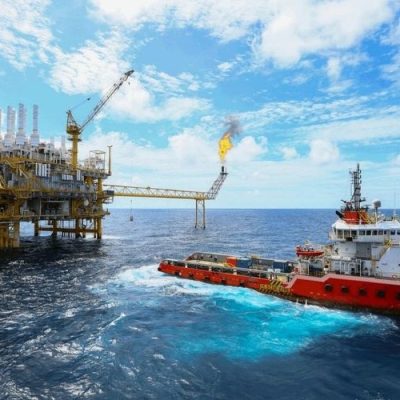
Cavitation is one of the most common yet damaging issues in hydraulic systems, especially in marine and offshore environments. It occurs when tiny vapour bubbles form within hydraulic fluid due to pressure drops and then collapse with force. While the bubbles themselves are microscopic, their implosions release shockwaves strong enough to erode metal surfaces, damage pumps, and compromise valves. For ships, offshore rigs, and maritime authorities that rely on hydraulics for propulsion, steering, lifting, and essential operations, cavitation isn’t just a minor inconvenience — it’s a serious threat to reliability, efficiency, and safety.
What is Hydraulic Cavitation?
Hydraulic cavitation happens when the local fluid pressure in a system falls below the fluid’s vapour pressure. In marine and offshore applications, this can be triggered by:
- Restricted or blocked hydraulic lines
- Poor fluid circulation or low reservoir levels
- High pump speeds with insufficient suction pressure
- Air leaks in hydraulic fittings or seals
- Use of incorrect or contaminated hydraulic fluids
When the vapour bubbles collapse, they release high-energy microjets that damage surfaces and gradually erode components. Over time, cavitation leads to pitting, efficiency loss, increased vibration, and eventual equipment failure.
Why Cavitation is Especially Dangerous in Marine & Offshore Environments
Unlike land-based industries, marine and offshore operations face harsher conditions and higher stakes:
- Saltwater exposure accelerates corrosion and amplifies cavitation damage.
- Continuous operation — offshore rigs and vessels can’t afford downtime, so failures caused by cavitation have higher operational and financial impact.
- Remote locations make repairs and parts replacement more costly and time-consuming.
- Safety implications — steering failure, winch breakdowns, or crane malfunctions due to cavitation can compromise crew safety and cargo integrity.
Signs of Hydraulic Cavitation
Marine operators and offshore engineers should be aware of the following warning signs:
- Unusual noise (a high-pitched “gravel” or rattling sound from pumps)
- Excessive vibration in hydraulic machinery
- Noticeable loss of efficiency or power
- Increased heat in the hydraulic fluid
- Visible pitting or scoring on pump components during maintenance
Catching these signs early is critical to preventing catastrophic equipment failures.
Strategies to Prevent Hydraulic Cavitation
1. Optimise Hydraulic System Design
- Ensure suction lines are adequately sized and free from sharp bends or restrictions.
- Use high-quality hoses and fittings rated for marine environments.
- Install filters and strainers to prevent blockages and maintain smooth fluid flow.
2. Maintain Proper Fluid Levels & Quality
- Regularly check and top up hydraulic reservoirs.
- Use manufacturer-recommended hydraulic fluids for marine or offshore use.
- Monitor for water contamination, which is common in maritime environments.
3. Monitor Pump Speed and Suction Conditions
- Avoid operating pumps at excessive speeds.
- Ensure net positive suction head (NPSH) is within safe limits.
- Use condition-monitoring systems to continuously track pump performance.
4. Regular Maintenance and Inspections
- Perform scheduled inspections of seals, fittings, and hoses.
- Replace worn or damaged parts promptly.
- Train crew members to identify cavitation symptoms early.
5. Leverage Advanced Technology
- Install sensors that detect abnormal vibration or cavitation onset.
- Use predictive maintenance tools for offshore platforms and vessels.
- Employ variable speed drives to control pump operations efficiently.
Case Example: Offshore Winches & Steering Systems
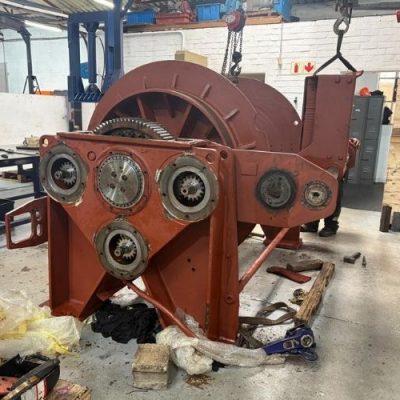
Hydraulic cavitation is a frequent concern in offshore winches and steering gear. Winches exposed to salt spray often suffer accelerated wear. By maintaining clean hydraulic fluids, replacing filters regularly, and using marine-grade hoses, operators can extend service life and prevent unexpected breakdowns that halt offshore lifting operations.
The Cost of Ignoring Cavitation
If cavitation is left unaddressed, marine and offshore operators risk:
- Expensive repairs — replacing pumps, motors, or valves damaged by erosion
- Unplanned downtime — halting vessel operations or offshore rig work
- Higher fuel consumption due to reduced efficiency
- Safety hazards for crew and cargo
Preventing cavitation is far less costly than repairing or replacing damaged hydraulic equipment.
How DMA Hydraulics Supports Marine & Offshore Operators
At DMA Hydraulics & Pneumatics (Pty) Ltd, we understand the critical role hydraulic systems play in the maritime sector. From fishing vessels and shipping fleets to offshore oil rigs and maritime authorities, we deliver:
- Custom marine-grade hydraulic solutions
- Expert maintenance and repair services
- Access to high-quality components via our sister company, Hydraulic Fittings
- Preventive strategies tailored for offshore challenges
By combining technical expertise with a deep understanding of the marine industry, DMA helps operators prevent cavitation, improve uptime, and extend equipment life.
Cavitation is a silent but destructive enemy of marine and offshore hydraulic systems. It erodes components, reduces efficiency, and creates risks no vessel or rig can afford. With proactive maintenance, correct system design, and the right hydraulic partner, cavitation can be effectively prevented.
At DMA Hydraulics, we’re committed to helping the marine and offshore industry achieve safe, reliable, and sustainable operations.
Contact us today to learn how we can support your hydraulic needs and keep your vessels and platforms running smoothly.