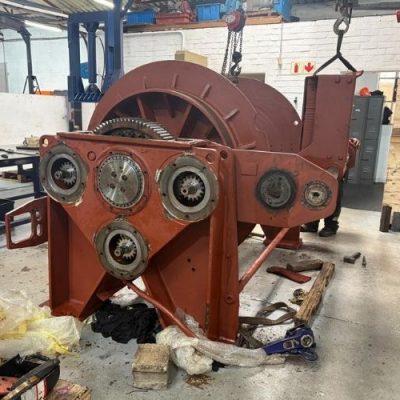
In global shipping, offshore drilling, and commercial fishing, every hour of uptime counts. Vessels operate under high pressure—literally and figuratively—and their hydraulic systems are at the heart of it all. When a critical component fails, the result isn’t just costly repairs but also delays, safety risks, and operational downtime that ripple across entire supply chains.
This is where predictive maintenance for marine hydraulic systems is transforming the way operators manage fleets and offshore assets. Instead of waiting for breakdowns or relying only on routine servicing, predictive maintenance uses data, monitoring tools, and advanced diagnostics to identify potential problems before they become failures. The result? Greater reliability, lower costs, and safer operations at sea.
In this blog, we’ll take a deep dive into how predictive maintenance is reshaping the marine and offshore industries, explore the key technologies driving this trend, and provide practical strategies for operators worldwide.
Why Predictive Maintenance Matters in Marine Hydraulics
Hydraulic systems are the backbone of modern vessels and offshore platforms. They power:
- Steering and propulsion controls
- Deck machinery (winches, cranes, capstans)
- Offshore drilling rigs and subsea equipment
- Cargo handling systems
- Stabilisation and safety mechanisms
Without reliable hydraulics, ships can’t manoeuvre safely, rigs can’t extract resources, and fishing vessels can’t operate efficiently. Traditional maintenance approaches—like reactive maintenance (fix it when it breaks) or scheduled preventive maintenance (service after fixed hours)—don’t always account for the unique stresses of marine environments.
Saltwater corrosion, extreme pressure cycles, fluctuating temperatures, and continuous heavy loads accelerate wear in hydraulic parts such as pumps, motors, cylinders, and hoses. This makes predictive maintenance a smarter, more cost-effective strategy.
The Core of Predictive Maintenance
Predictive maintenance relies on real-time monitoring and data analysis to track system health. For marine hydraulic systems, this often includes:
- Vibration Analysis – Detecting early signs of pump or motor failure.
- Oil Condition Monitoring – Analysing contamination, viscosity, and particle levels in hydraulic fluid.
- Thermal Imaging & Temperature Sensors – Identifying hotspots that signal wear or leaks.
- Pressure & Flow Sensors – Monitoring irregularities in system performance.
- AI & Machine Learning – Using advanced algorithms to predict failures based on historical data.
By integrating these methods, operators can move from a “repair when broken” mindset to a proactive, data-driven approach.
Benefits of Predictive Maintenance for Marine Operators
The advantages of predictive maintenance extend far beyond reduced breakdowns. Here’s why it’s becoming an industry standard:
1. Reduced Downtime
Unplanned failures can immobilise vessels or halt drilling operations, costing thousands per hour. Predictive strategies catch issues early, allowing repairs during scheduled stops.
2. Cost Savings
While predictive tools require upfront investment, they save money long-term by reducing emergency repairs, minimising spare part usage, and extending equipment life.
3. Safety Improvements
Hydraulic failures can endanger crew and equipment. Monitoring systems ensure safety-critical functions (like steering and lifting gear) remain reliable.
4. Better Spare Parts Planning
By knowing which components are wearing out, operators can stock the right marine hydraulic spare parts ahead of time, avoiding costly delays.
5. Longer Equipment Lifespan
Predictive insights help extend the working life of pumps, valves, hoses, and actuators through timely interventions.
Predictive Maintenance in Different Marine Sectors
Predictive maintenance isn’t one-size-fits-all. Each sector of the maritime and offshore industry has unique challenges.
Shipping & Cargo Vessels
Global shipping depends on schedule reliability. Predictive tools ensure steering, stabilisation, and cargo handling hydraulics stay in top shape during long voyages.
Offshore Oil & Gas Platforms
Downtime on rigs translates into massive financial losses. Monitoring hydraulic drilling systems, blowout preventers, and subsea controls keeps operations stable and safe.
Fishing Fleets
For commercial fishing vessels, hydraulic deck equipment (trawl winches, cranes, net drums) must work continuously. Predictive strategies reduce the risk of downtime during critical harvest windows.
Maritime Authorities & Defence
Search-and-rescue, coastguard, and defence fleets rely heavily on hydraulics for vessel control and safety operations. Predictive maintenance ensures mission-readiness 24/7.
Challenges in Implementing Predictive Maintenance
While the benefits are clear, predictive maintenance adoption faces hurdles:
- High Initial Costs – Sensors, monitoring equipment, and data platforms require investment.
- Skilled Workforce – Operators need training in data interpretation and predictive technologies.
- Integration with Existing Systems – Older vessels may lack compatibility with advanced monitoring tools.
- Data Overload – Without proper analysis, large amounts of sensor data can overwhelm crews.
Overcoming these challenges requires strategic investment, phased adoption, and strong partnerships with hydraulic specialists.
Practical Strategies for Operators
If you’re considering predictive maintenance for your hydraulic systems, here’s how to start:
- Begin with Critical Systems – Focus on steering, propulsion, and safety-critical hydraulics first.
- Adopt Oil Analysis as a Baseline – Affordable and highly effective for spotting contamination.
- Invest in Smart Sensors Gradually – Add vibration, flow, and pressure monitoring step by step.
- Partner with Hydraulic Experts – Work with service providers who understand both global and local marine conditions.
- Leverage Remote Monitoring – Offshore operators can use IoT platforms to track systems from onshore bases.
Future of Predictive Maintenance in Marine Hydraulics
As the marine and offshore industries move toward digitalisation and sustainability, predictive maintenance will become even more powerful. Expect to see:
- AI-driven predictive models with higher accuracy.
- Cloud-based fleet monitoring, giving operators real-time oversight across multiple vessels.
- Integration with ecohydraulics, reducing environmental risks from leaks and failures.
- Autonomous maintenance scheduling, where systems order their own parts before failure occurs.
This future isn’t decades away—it’s already unfolding across leading shipping companies and offshore operators.
Predictive maintenance is no longer a luxury—it’s a necessity for global marine and offshore operators. By embracing smart monitoring, early detection, and data-driven insights, companies can significantly reduce downtime, lower costs, and improve safety.
Whether you operate shipping fleets, fishing vessels, offshore rigs, or maritime authority vessels, predictive maintenance provides the competitive advantage needed to stay ahead in an industry where every second counts.