Earthmoving Hydraulics in Cape Town: Keeping Your Equipment Working When It Matters Most
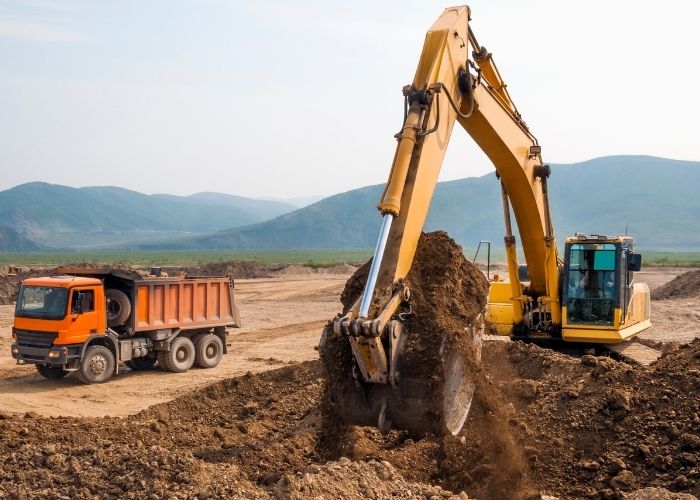
Construction and earthmoving equipment depends entirely on hydraulic power. Every time an excavator swings its arm, a grader adjusts its blade, or a bulldozer pushes material across a site, a hydraulic system is doing the work. When that system performs well, productivity stays on track. When it fails, the machine stops and on a construction site in Cape Town, stopped equipment costs money fast.
This post covers the hydraulic systems that power earthmoving equipment, the conditions that cause them to fail, and the maintenance and repair approach that keeps machines working through a Cape Town project schedule.
What Hydraulics Do on Earthmoving Equipment
Modern earthmoving machines are built around their hydraulic systems. The engine drives a hydraulic pump, which pushes pressurised fluid through a network of valves, hoses, and cylinders to produce controlled force and movement. Without hydraulics, none of the core functions of an excavator, grader, TLB, bulldozer, or compactor would work.
On a typical excavator, the hydraulic system controls the boom, stick, and bucket through individual cylinders. It drives the swing motor that rotates the upper structure. It powers the travel motors that move the machine across the ground. Every one of these functions depends on consistent pressure and clean fluid. On a TLB, the loader arm, backhoe boom, and stabiliser legs each have their own cylinders fed from a shared power unit. Graders use hydraulics to control blade height, angle, and lateral shift, as well as the circle motor that rotates the blade. Bulldozers rely on hydraulic cylinders to raise and tilt the blade with precision.
The demands on these systems are significant. Earthmoving equipment works long hours under heavy load in dusty, hot, and demanding conditions. The hydraulic system has to keep up regardless.
The Cape Town Construction Environment
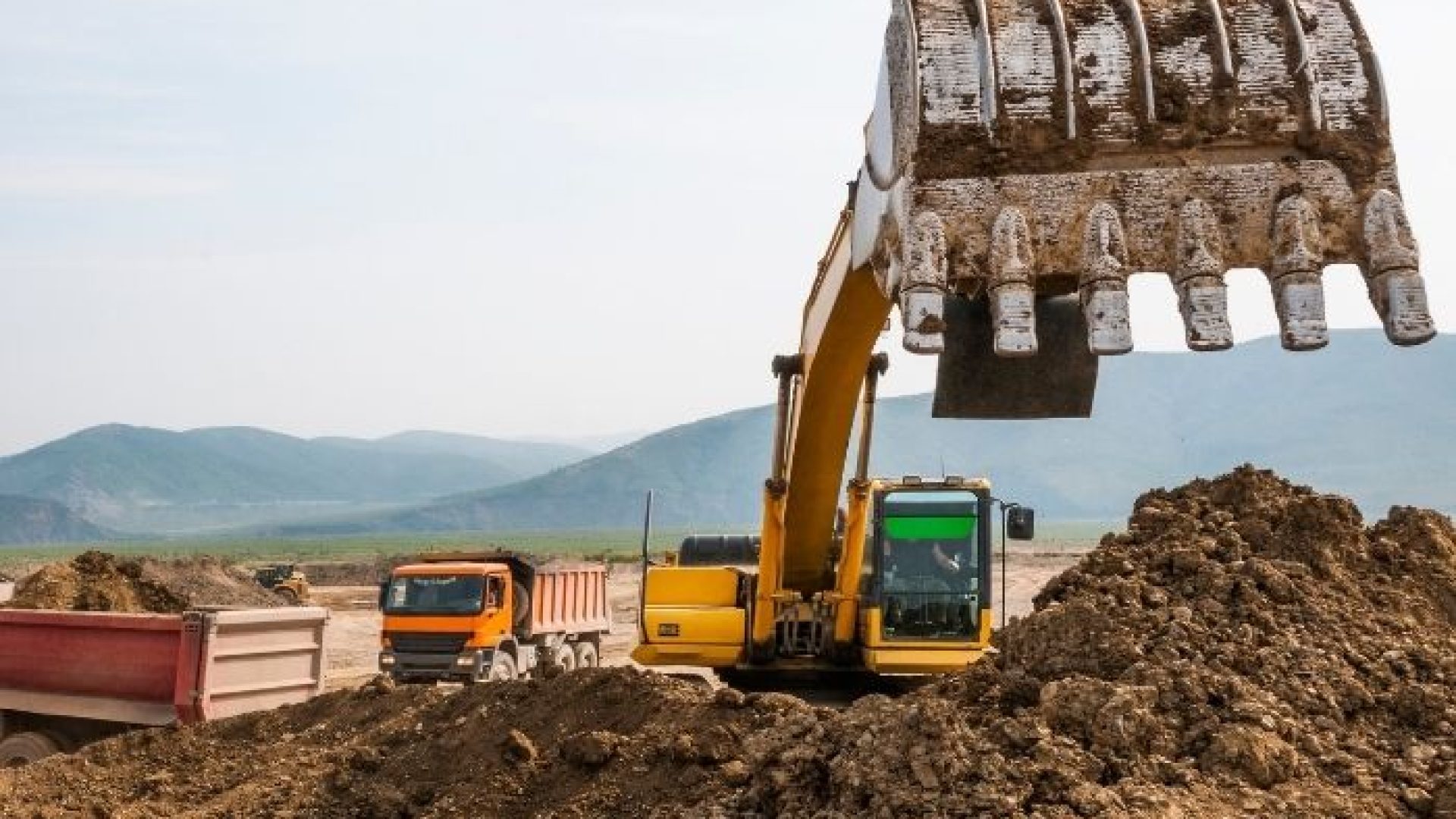
Cape Town’s construction activity spans a wide range of conditions. Projects run across the Cape Flats, on the slopes of the Peninsula, in exposed coastal areas, and in urban environments where machines work close together with limited space.
Dust is a constant issue on Cape Flats projects. Fine silica particles get into everything, and hydraulic systems are no exception. Contaminated fluid causes accelerated wear in pumps and valves. Filters clog faster than expected. If fluid changes and filter replacements are not happening on schedule, the damage builds quietly before a breakdown occurs.
Summer heat on a western-facing site can push ambient temperatures well above what manufacturers rate equipment for in standard conditions. Heat thins hydraulic fluid, reduces its lubrication quality, and causes seals to harden and crack over time. Systems without adequate cooling capacity run hot, and hot systems wear faster.
Cape Town’s notorious wind brings more than discomfort. On exposed sites, windblown sand and grit find their way into any gap in a machine’s sheet metal, reaching hydraulic reservoirs through breathers and poorly sealed filler caps.
Wet winter conditions add moisture to the mix. Water in hydraulic fluid is destructive. It accelerates corrosion inside cylinders and valve blocks, degrades the fluid’s additive package, and causes microbial growth in the reservoir if left unchecked.
Understanding these local conditions matters when you are setting maintenance schedules and deciding how often to sample and change fluid.
Why Earthmoving Hydraulics Fail
The failure patterns on earthmoving equipment are well established. The same problems appear repeatedly across excavators, graders, and TLBs in active use.
Contaminated Fluid
Contamination is the single biggest cause of premature wear in earthmoving hydraulic systems. Dust, water, and metal particles circulate through the system and attack pump surfaces, score valve spools, and accelerate cylinder wear. Most operators change fluid based on hours or calendar intervals without ever testing the fluid to see whether it is actually still serviceable. Fluid analysis gives you real data and lets you catch contamination problems before they cause damage.
Seal and Cylinder Failure
Cylinder seals take constant punishment. They cycle thousands of times a day under pressure, and on earthmoving equipment the cylinders are exposed to heat, dust, and impact from debris. When a seal starts to fail, you see the external leak on the cylinder rod. Inside the cylinder, bypassing fluid reduces force output and causes the machine to feel sluggish and slow to respond. Cylinders that are not attended to when they first show signs of leaking will eventually need a full rebuild rather than a straightforward seal replacement.
Hose Failures
Earthmoving machines carry hydraulic hoses in locations that get hit, pinched, abraded, and exposed to sharp edges. Hoses routed near hot exhaust components age faster. Hoses that chafe against structural members will eventually fail at the wear point. A high-pressure hose failure on an earthmoving machine creates a dangerous situation. The fluid injection risk from a burst hose under pressure is serious. Hose routing, protection, and regular inspection are not optional maintenance items.
Pump Wear
The hydraulic pump on an earthmoving machine works hard. It runs whenever the engine runs. Wear builds over time through normal operation, but contamination and cavitation accelerate that wear significantly. A pump that is beginning to fail shows itself through reduced pressure, slow machine response, excessive heat, and sometimes noise under load. Catching pump wear early, through pressure testing and flow measurement, means you can plan a rebuild or replacement rather than face an unexpected breakdown on site.
Valve and Control Problems
Directional control valves and proportional valves manage where fluid goes and how fast it gets there. Contamination causes sticking, slow response, and erratic machine behaviour. Relief valves that drift from their set pressure either allow the system to overpressure, damaging components, or restrict performance by dumping fluid too early. Valve issues often show as inconsistent machine behaviour before they cause an outright failure.
Maintenance That Prevents Breakdowns
Reactive maintenance, fixing things after they break, costs more than planned servicing in almost every case. For earthmoving equipment working through a project schedule, an unexpected breakdown does not just cost the repair bill. It costs the lost production time and the downstream impact on programme.
Read our article on Why Hydraulic Problems Are Often Misdiagnosed
A structured hydraulic maintenance approach covers fluid and filter changes at correct intervals, fluid sampling and analysis to catch contamination early, cylinder rod inspection and seal replacement before leaks become serious, hose condition checks and scheduled replacement of aged hoses, pressure testing to verify system performance, and regular visual inspection during operator pre-start checks.
The intervals for each of these activities depend on the machine, its operating environment, and how hard it is being worked. In dusty Cape Flats conditions, filter change intervals will be shorter than the manufacturer’s standard recommendation. In machines running consistently hot, fluid degradation will happen faster. The maintenance schedule should reflect actual operating conditions, not just the hours listed in a service manual.

Troubleshooting and Diagnostics on Site
Not every hydraulic problem needs a machine to go back to a workshop. Many issues can be diagnosed and resolved on site by a technician with the right test equipment and experience. Pressure testing tells you whether the system is reaching its rated working pressure and where losses are occurring. Flow testing reveals whether the pump is delivering the correct volume of fluid. Thermal imaging can identify components running hotter than they should. Oil sampling provides a picture of what is happening inside the system at a microscopic level. The value of on-site diagnosis is speed. Getting a reading on what is wrong before deciding on a course of action prevents unnecessary parts replacement and keeps the machine on site rather than in a workshop queue. For projects with tight deadlines, this matters.
Hydraulic Repairs and Rebuilds
When components do need to come out for repair or replacement, the quality of the rebuild determines how long the repaired component lasts. A cylinder that has been properly cleaned, honed to tolerance, and fitted with the correct seals will perform as well as a new unit. A cylinder repaired with incorrect seals or without addressing internal scoring will fail again quickly.
The same applies to pumps. A pump rebuild carried out to the correct clearances, with quality internal components, restores full performance. A pump patched together with wrong-spec parts will not last.
When you are sourcing replacement components or having parts rebuilt, work with a service provider that has access to the correct specifications and the right parts. Using incorrect parts on earthmoving hydraulics creates liability as well as reliability problems.
Working with a Cape Town Hydraulic Specialist
For Cape Town construction and earthmoving operators, having a local hydraulic specialist available makes a practical difference. A local service provider can respond quickly, carry out on-site diagnosis, supply parts without long lead times, and build a service history for your fleet.
At DMA Hydraulics and Pneumatic Solutions, we service and support earthmoving hydraulic equipment across Cape Town. Our team carries out on-site diagnostics, cylinder repairs, hose replacements, pressure testing, and fluid servicing. We supply hydraulic spares and components for a wide range of earthmoving equipment, and we can respond to breakdown situations to get your machine back in operation.
If you are managing a construction project or an earthmoving fleet in Cape Town, contact our team to discuss a service arrangement that keeps your equipment running through your project schedule.
DMA Hydraulics and Pneumatic Solutions — Cape Town based hydraulic and pneumatic specialists. Earthmoving, construction, marine, offshore, and industrial hydraulic services.