Hydraulic systems do much of the heavy lifting on vessels at sea. From steering gear to cargo cranes, deck winches to hatch covers, hydraulics handle tasks that would be impossible by other means. When these systems work correctly, you barely notice them. When they fail, operations stop and at sea, that carries serious consequences.
This post covers how hydraulic systems function in a maritime environment, the most common failure points, and the maintenance practices that keep vessels operational. Whether you run a commercial fishing operation, manage a fleet of support vessels, or work on an offshore platform, understanding your hydraulic systems is part of running a safe and efficient operation.
How Hydraulics Power a Vessel
A hydraulic system uses pressurised fluid to transmit force from one point to another. At its core, you have a pump that generates pressure, a series of valves that control flow direction and volume, actuators (cylinders or motors) that convert that pressure into movement, and fluid that carries the force through the system.
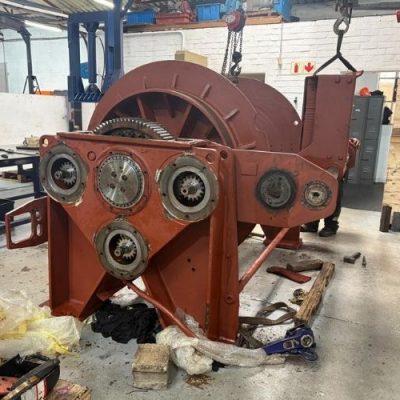
On a vessel, this setup powers a wide range of equipment. Steering gear relies on hydraulic rams or rotary vane systems to turn the rudder. Deck winches depend on hydraulic motors for mooring, trawling, and anchor handling. Cargo cranes and davits use hydraulics for loading, unloading, and launching lifeboats. Hatch covers on cargo holds open and close hydraulically. Active fin stabilisers reduce roll in rough conditions using hydraulic actuators. Bow and stern thrusters on larger vessels are driven by hydraulic power units.
Each of these systems operates under pressure, and each has its own requirements in terms of fluid type, pressure rating, and maintenance schedule.
The Maritime Environment Creates Unique Challenges
Running hydraulics on land is one thing. Running them at sea is another. The maritime environment adds stress that shore-based systems rarely face.
Salt and moisture work their way into every component. Seals degrade faster. Metal surfaces corrode. Electrical components in electrohydraulic systems suffer from humidity and salt exposure.
Constant movement means hydraulic lines, fittings, and hoses experience vibration and flex throughout every voyage. Over time, this causes fatigue cracks, loose fittings, and hose failure.
Temperature variation is more extreme on vessels than in most industrial settings. A vessel moving between tropical and cold water regions sees significant swings in ambient temperature, which affects fluid viscosity and component tolerances.
Limited access to parts and service is a factor you cannot ignore offshore. A hydraulic failure on land means calling a technician. A hydraulic failure at sea, 200 nautical miles from port, means working with what you have on board. This makes preventative maintenance and having the right spares aboard critical.

Common Hydraulic Failures on Vessels
Understanding where systems typically fail helps you put the right preventative measures in place.
Seal and O-Ring Failure
Seals are the most common point of failure in any hydraulic system, and the maritime environment accelerates their degradation. UV exposure on deck, ozone, salt, and temperature cycling all attack seal materials. You will notice this as external leaks — fluid weeping from cylinder rods, valve bodies, or fittings.
Do not ignore small leaks. They grow. They contaminate the working environment. They lead to low fluid levels, which cause cavitation in the pump and damage that costs far more to repair than replacing a seal.
Contaminated Fluid
Hydraulic fluid that picks up water, dirt, or metal particles causes wear throughout the system. Water in hydraulic fluid is particularly destructive. It causes oxidation of metal surfaces, degrades the fluid itself, and affects viscosity. On vessels, water ingress through worn seals, condensation, or poor filler cap discipline is a regular problem.
Regular fluid sampling and analysis gives you visibility into what is happening inside your system before it becomes a breakdown.
Pump Wear and Cavitation
The hydraulic pump is the heart of the system. It takes mechanical energy from the engine or electric motor and converts it to hydraulic pressure. When fluid levels drop, when the fluid is too cold and viscous, or when inlet filters are blocked, the pump cavitates. It draws in air bubbles along with fluid, and those bubbles collapse violently inside the pump, eroding the internal surfaces.
Pump noise changes when cavitation starts. A whining or knocking sound under load is a warning sign you should act on immediately.
Valve and Control Failures
Directional control valves, pressure relief valves, and flow control valves all operate in demanding conditions. Contamination causes sticking and wear in valve spools. Relief valves can drift off their set pressure, either allowing system pressure to exceed design limits or dumping fluid before the system reaches working pressure.
On steering gear systems, valve failures have immediate safety implications. Regular testing and calibration of relief valves is a classification society requirement for good reason.
Hose and Fitting Failures
Hydraulic hoses have a finite service life. The combination of pressure cycling, bending, vibration, and UV exposure means that hoses on a vessel need to be inspected regularly and replaced on a schedule, not just when they fail. A hose failure at high pressure is dangerous. The resulting fluid spray is a fire risk and a safety hazard to crew.
Preventative Maintenance: The Foundation of Reliable Hydraulics
The vessels and platforms that have the fewest hydraulic problems are the ones where maintenance is planned and systematic, not reactive.
Keep a Maintenance Log
Every hydraulic system on board should have a documented maintenance schedule. Record fluid changes, filter replacements, seal repairs, pressure tests, and any unusual observations. This log tells you the history of the system, helps you identify patterns, and provides the documentation that classification societies and port state inspectors expect to see.
Change Fluid on Schedule
Hydraulic fluid does not last indefinitely. It oxidises, absorbs water, picks up contamination, and loses its additive package over time. Follow the manufacturer’s recommendation for fluid change intervals, and adjust those intervals based on operating conditions. A vessel that runs hard in hot conditions will need more frequent fluid changes than one with lighter duty cycles.
When you change fluid, flush the system properly. Leaving old fluid in hoses and cylinders defeats the purpose of the change.
Replace Filters Proactively
Hydraulic filters protect the pump, valves, and actuators from contamination. A blocked filter causes pressure drop, reduces flow, and can damage the pump through cavitation. Replace filters at the intervals specified, and whenever a bypass indicator shows the filter is at capacity. Never bypass a filter and keep running.
Inspect Hoses and Fittings
Build regular hose inspection into your routine. Look for abrasion on outer covers, kinking, bulging, and corrosion on fittings. Check hose end fittings for movement. They should be secure. Any hose that shows damage should be replaced before it fails, not after.
Test Relief Valve Settings
Pressure relief valves protect your system from overpressure. Test them on a regular schedule using calibrated test equipment. If a relief valve has lifted, meaning it has actually discharged fluid under pressure, inspect it and consider replacing it. Relief valves that have operated under full flow can be damaged by the experience.
Check and Maintain Fluid Levels
This sounds obvious, but low fluid level is a common cause of hydraulic damage on vessels. Crew should check reservoir levels as part of daily rounds. Keep a sufficient supply of the correct fluid grade on board. Mixing different hydraulic fluid grades is not acceptable, it can cause seal damage and fluid compatibility problems.
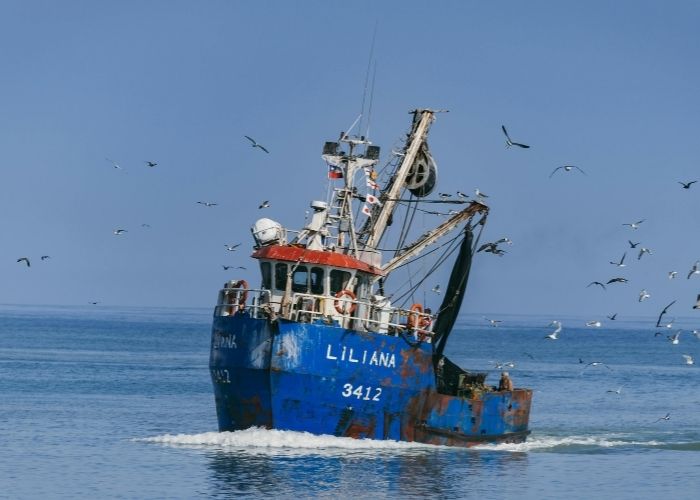
Hydraulics on Commercial Fishing Vessels
Commercial fishing places particular demands on hydraulic systems. Trawl winches, net drums, and fish pumps run for extended periods under high load. The working environment on deck is wet, cold, and exposed. Equipment takes physical knocks.
For fishing vessels, hydraulic reliability is directly linked to catch rate. Time lost to hydraulic breakdowns at sea is time not fishing. Many fishing operators schedule hydraulic servicing at the start and end of each fishing season, with inspection and minor maintenance at shorter intervals during the season.
Pay particular attention to deck equipment: winch motors, brake valves, and the hydraulic swivels on net drums. These components work hard and need consistent attention.
Offshore Platform Hydraulics
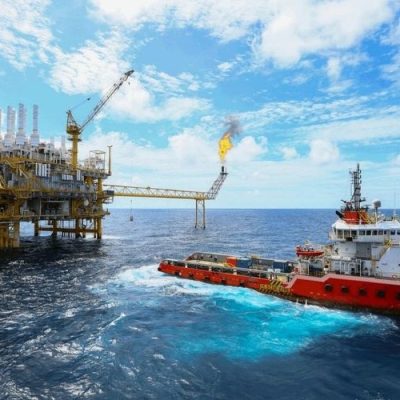
Offshore platforms and oil rigs use hydraulics in critical safety systems, including blowout preventers, Christmas tree actuators, and emergency shutdown systems. These applications carry the highest demand for reliability and have strict regulatory oversight.
Hydraulic systems on offshore platforms are typically served by dedicated power unit rooms, with redundant power units and accumulator banks that hold stored energy for emergency operation. Fluid cleanliness standards are higher here than in most other applications. ISO 4406 cleanliness levels are specified and verified through regular fluid sampling.
If you operate or manage an offshore installation, your hydraulic service provider needs to understand these specific requirements and work within your safety management system.
Getting Support for Maritime Hydraulics
Working on hydraulic systems on vessels and offshore installations requires more than general hydraulic knowledge. You need an understanding of class requirements, marine grade components, and the realities of working in a maritime environment.
When you need troubleshooting support, planned servicing, or a complete hydraulic installation on a new vessel, the right service partner makes a significant difference. Look for a team that has direct experience with maritime equipment, understands the pressures of keeping vessels in service, and can respond when you are in port with a tight turnaround window.
At DMA Hydraulics and Pneumatic Solutions, we work with commercial fishing operations, cargo and transport vessels, support craft, and offshore installations. Our team carries out onboard diagnostics, repairs, and full hydraulic installations. We also supply hydraulic spares and components, so if you need parts sourced quickly for a vessel in port, we can help. We are based in Cape Town and support vessels globally.
If you have a hydraulic issue on a vessel, or you want to put a proper maintenance programme in place before problems develop, get in touch with our team.
DMA Hydraulics and Pneumatic Solutions is a Cape Town based hydraulic and pneumatic specialists serving maritime, fishing, offshore, and industrial clients.
Hydraulic systems on offshore platforms are typically served by dedicated power unit rooms, with redundant power units and accumulator banks that hold stored energy for emergency operation. Fluid cleanliness standards are higher here than in most other applications. ISO 4406 cleanliness levels are specified and verified through regular fluid sampling.
If you operate or manage an offshore installation, your hydraulic service provider needs to understand these specific requirements and work within your safety management system.
DMA Hydraulics and Pneumatic Solutions — Cape Town based hydraulic and pneumatic specialists serving maritime, fishing, offshore, and industrial clients.