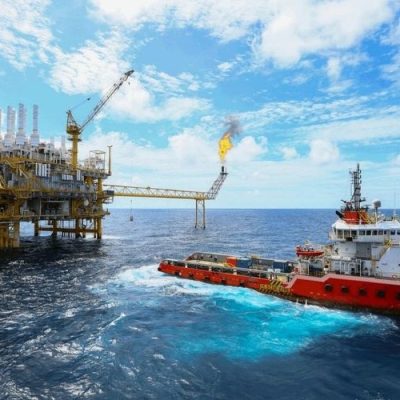
Modern vessels rely on far more than propulsion and steering to operate efficiently at sea. On the deck of every commercial ship, a range of heavy-duty equipment is constantly in use — from mooring systems securing vessels in port to cranes handling cargo operations.
At the centre of these critical functions are marine hydraulic systems.
Hydraulics provide the force, control and reliability required to operate deck machinery under extreme loads and harsh marine conditions. Whether lifting cargo, tensioning mooring lines or controlling winches, hydraulic systems ensure operations are carried out safely and efficiently.
For vessels operating across global shipping routes and arriving at service hubs such as Cape Town, maintaining these systems is essential to prevent downtime and ensure operational continuity.
The Role of Hydraulic Systems in Ship Deck Machinery
Ship deck machinery is designed to handle significant mechanical loads. Manual or purely mechanical systems are not capable of generating the level of force required for modern maritime operations.
Hydraulic systems solve this challenge by converting pressurised fluid into controlled mechanical power.
This allows operators to:
- Lift and move heavy cargo using deck cranes
- Control mooring lines with precision using winches and capstans
- Maintain tension under varying environmental conditions
- Operate equipment smoothly even under continuous load
Unlike electrical systems, hydraulics provide consistent torque and force regardless of speed, making them ideal for heavy-duty marine applications.
Because deck operations often take place in unpredictable conditions — including rough seas, strong winds and high loads — the reliability of marine hydraulic systems is critical.
Key Types of Hydraulic Deck Machinery on Ships
Hydraulic Winch Systems
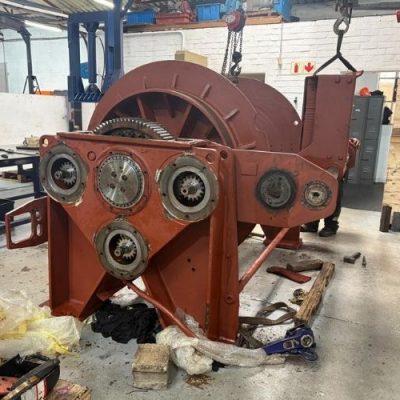
Winches are among the most important pieces of deck equipment on any vessel. They are used for mooring, anchoring and towing operations.
Hydraulic winches are specifically designed to:
- Handle high line tension loads
- Provide controlled winding and unwinding
- Maintain holding force under load
These systems must operate smoothly to prevent sudden load shifts, which could pose safety risks to crew and equipment.
Because winches are exposed to saltwater and environmental stress, they are particularly vulnerable to wear, corrosion and hydraulic failure if not properly maintained.
Hydraulic Cranes
Deck cranes are used extensively for loading and unloading cargo, handling containers and supporting offshore operations.
Hydraulic crane systems provide:
- High lifting capacity
- Precise load control
- Smooth movement under variable loads
The hydraulic system controls boom movement, rotation and lifting functions. This requires stable pressure and responsive control to ensure safe operation.
Failure in crane hydraulics can result in load instability, reduced lifting capacity and operational delays, making reliability essential for vessels operating on tight schedules.
Mooring Systems and Capstans
Mooring systems secure vessels when docking at ports. These systems rely heavily on hydraulic power to manage line tension and maintain vessel position.
Hydraulic capstans and mooring winches allow operators to:
- Adjust line tension precisely
- Compensate for tidal movement and vessel drift
- Secure vessels safely during loading and unloading
Because mooring operations are safety-critical, hydraulic systems must respond instantly and maintain consistent pressure at all times.
How Marine Hydraulic Systems Perform Under Load
Deck machinery operates under constant and often extreme load conditions. Hydraulic systems must deliver consistent performance regardless of external forces.
When a hydraulic system is activated:
- A pump generates pressurised hydraulic fluid
- Control valves regulate fluid direction and flow
- Hydraulic motors or cylinders convert pressure into movement
- The system maintains force while equipment is in operation
This process allows heavy machinery to function with precision, even when handling unpredictable loads.
Maintaining this level of performance depends entirely on system condition. Any loss of pressure, contamination or component wear can directly affect operational efficiency.
Common Hydraulic Issues in Deck Machinery
Marine hydraulic systems are built for durability, but they are not immune to wear and failure. Deck equipment is particularly exposed to harsh environmental conditions, making maintenance essential.
Hydraulic Fluid Contamination
Contamination is one of the leading causes of hydraulic system failure.
Saltwater, dirt and debris can enter the system through worn seals or improper handling. Contaminated fluid can damage pumps and valves, increase internal wear and reduce system efficiency.
Without proper filtration and monitoring, contamination can lead to complete system failure.
Seal Wear and Leakage
Hydraulic systems rely on seals to maintain pressure and prevent fluid loss.
Over time, seals can degrade due to constant pressure cycles, temperature fluctuations and exposure to saltwater. Leaks reduce system pressure and create both safety and environmental risks.
Pump Wear and Pressure Loss
Hydraulic pumps are responsible for generating system pressure. As pumps wear, they may lose efficiency, struggle to maintain pressure and cause slow or inconsistent equipment operation.
In deck machinery, this often results in reduced lifting capacity or poor winch performance.
Corrosion and Environmental Damage
Marine environments accelerate corrosion, particularly on exposed components such as rods, fittings and housings.
Corrosion can weaken structural components, damage seals and lead to unexpected system failure if not identified early.
The Importance of Maintenance for Marine Deck Hydraulics
Because deck machinery is used frequently and often under heavy load, preventative maintenance is essential.
Regular servicing includes:
- Inspecting hydraulic hoses and seals
- Testing pump performance and pressure levels
- Monitoring hydraulic fluid condition
- Replacing worn components before failure
Preventative maintenance reduces the risk of unexpected breakdowns, operational delays and costly emergency repairs.
For vessels operating on tight schedules, hydraulic reliability is directly linked to overall operational efficiency.
Servicing Hydraulic Systems at Major Ports
Ports such as Cape Town serve as key maintenance points for vessels travelling long distances. After extended periods at sea, deck machinery often shows signs of wear that require attention.
Hydraulic specialists at port facilities perform diagnostics, pressure testing, pump inspections, cylinder servicing and fluid analysis to restore system performance.
These services ensure that vessels leave port with fully operational hydraulic systems, ready for the next stage of their journey.
Why Reliable Hydraulics Are Critical to Marine Operations
Deck machinery plays a vital role in the daily operation of any vessel. Without properly functioning hydraulic systems, essential tasks such as cargo handling and mooring become inefficient or unsafe.
Reliable marine hydraulic systems improve operational efficiency, enhance crew safety, reduce downtime and extend equipment lifespan.
In an industry where time, safety and performance are critical, maintaining hydraulic systems is not optional — it is essential.
Keeping Marine Operations Moving with Reliable Hydraulic Systems
Hydraulic systems are the driving force behind ship deck machinery, enabling vessels to operate efficiently in demanding environments.
From winches and cranes to mooring systems, these components depend on consistent hydraulic performance to function safely and effectively.
Maintaining these systems requires specialised knowledge, routine inspection and professional servicing. By keeping hydraulic systems in optimal condition, marine operators can reduce risk, improve performance and maintain operational reliability.
Reliable hydraulics ultimately support the safe and efficient movement of goods across global shipping routes, forming a critical part of modern maritime operations.