Excavators are among the most versatile machines used in construction, demolition and earthmoving projects. While the base machine provides the power, it is the attachments that transform an excavator into a multi-functional tool capable of handling a wide range of tasks.
At the centre of this versatility are hydraulic systems.
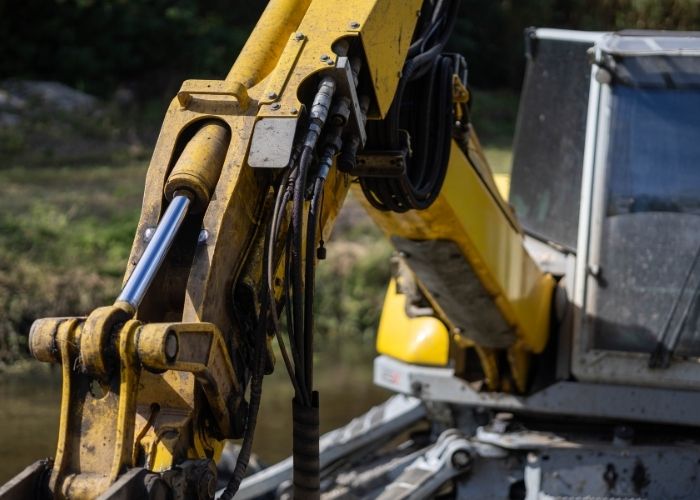
Attachments such as breakers, augers and grapples rely on auxiliary hydraulic circuits to deliver the force and control required for demanding applications. These systems must operate under high pressure and continuous load, often in harsh working environments.
For contractors and operators across construction sites in Cape Town and beyond, maintaining these hydraulic systems is essential to ensure performance, reduce downtime and protect equipment investment.
The Role of Hydraulics in Excavator Attachments
Excavator attachments depend on hydraulic power supplied by the base machine. Auxiliary hydraulic lines deliver pressurised fluid from the excavator’s pump to the attachment, enabling it to perform its specific function.
This allows operators to:
- Break through concrete and rock using hydraulic breakers
- Drill into soil and rock formations with augers
- Handle materials efficiently using grapples
Hydraulic systems provide the force, speed and control required to perform these tasks with precision.
Because attachments often operate under extreme conditions, hydraulic performance must remain consistent to ensure both productivity and safety on site.
Common Types of Hydraulic Excavator Attachments
Hydraulic Breakers
Hydraulic breakers are used in demolition and construction to break concrete, rock and other hard materials.
These attachments rely on high-pressure hydraulic flow to generate repetitive impact force. The system must deliver consistent pressure to maintain breaking efficiency.
Breakers place significant stress on the hydraulic system due to constant impact and vibration. This makes regular inspection and maintenance essential to prevent damage to both the attachment and the excavator.
Hydraulic Augers
Hydraulic augers are used for drilling holes in soil, clay and rock. They are commonly used for fencing, foundations and utility installations.
Augers require steady hydraulic flow to maintain rotational torque. Any fluctuation in pressure or flow can reduce drilling efficiency and increase wear on components.
Because augers often operate in abrasive environments, contamination and seal wear are common issues that must be monitored closely.
Hydraulic Grapples
Grapples are used for material handling in construction, forestry and waste management applications.
These attachments rely on hydraulic cylinders to open and close gripping arms, allowing operators to handle irregular loads with precision.
Hydraulic reliability is critical for grapples, as inconsistent pressure can lead to poor grip control and reduced operational efficiency.
How Auxiliary Hydraulic Systems Work
Excavators are equipped with auxiliary hydraulic circuits specifically designed to power attachments.
When activated:
- The hydraulic pump generates pressurised fluid
- Control valves regulate flow to the attachment
- Hydraulic motors or cylinders convert pressure into movement
- Return lines carry fluid back to the system
The performance of the attachment depends on correct pressure and flow settings. If these are not properly calibrated, the attachment may operate inefficiently or suffer premature wear.
Matching the attachment requirements to the excavator’s hydraulic capabilities is essential for optimal performance.
Common Hydraulic Issues in Excavator Attachments
Attachments operate under demanding conditions, making them vulnerable to hydraulic issues that can affect both performance and reliability.
Hydraulic Flow and Pressure Mismatch
Each attachment requires specific flow and pressure levels. If the excavator is not correctly configured, the attachment may:
- Operate too slowly or too aggressively
- Experience increased wear
- Deliver inconsistent performance
Proper setup and calibration are critical to prevent these issues.
Hydraulic Fluid Contamination
Dust, dirt and debris from construction sites can easily enter hydraulic systems.
Contamination can:
- Damage internal components
- Reduce system efficiency
- Accelerate wear on pumps and valves
Maintaining clean hydraulic fluid is essential for protecting both the attachment and the base machine.
Hose and Connection Failures
Attachments are frequently connected and disconnected, increasing the risk of hose wear and connection damage.
Common issues include leaks, pressure loss and sudden hose failure, all of which can lead to downtime on site.
Seal Wear and Internal Leakage
Seals within hydraulic components degrade over time due to pressure, heat and environmental exposure.
Internal leakage reduces system efficiency and can result in poor attachment performance or complete failure if not addressed.
The Impact of Hydraulic Issues on Site Productivity
Hydraulic problems in attachments can significantly affect project timelines and operating costs.
Reduced performance leads to slower work rates, while unexpected failures can result in unplanned downtime.
On busy construction sites, this can disrupt workflows, delay project completion and increase operational expenses.
Ensuring that hydraulic systems are properly maintained is key to keeping projects on track.
Maintenance and Servicing of Excavator Attachment Hydraulics
Preventative maintenance plays a critical role in ensuring reliable attachment performance.
Regular servicing includes:
- Inspecting hoses, fittings and connections
- Checking hydraulic pressure and flow settings
- Monitoring fluid condition and cleanliness
- Replacing worn seals and components
Routine maintenance helps identify potential issues before they lead to failure, reducing downtime and repair costs.
For high-use attachments such as breakers and augers, more frequent inspections are recommended due to the increased stress placed on hydraulic systems.
On-Site Hydraulic Support for Earthmoving Equipment
Construction projects often operate under tight deadlines, making quick response to hydraulic issues essential.
On-site hydraulic support allows technicians to diagnose and repair problems directly on location, reducing downtime and keeping equipment operational.
Typical on-site services include system diagnostics, hose replacement, pressure testing and minor repairs.
For more complex issues, components may need to be removed and serviced in a workshop environment.
Maximising Performance Through Proper Hydraulic Setup
Correct setup is one of the most important factors in ensuring optimal attachment performance.
Operators and technicians must ensure that:
- Hydraulic flow and pressure match attachment specifications
- Connections are secure and leak-free
- Systems are free from contamination
- Equipment is regularly inspected and maintained
Proper setup not only improves performance but also extends the lifespan of both the attachment and the excavator.
Supporting Earthmoving Operations with Reliable Hydraulic Systems
Hydraulic systems are the driving force behind excavator attachments, enabling machines to perform a wide range of specialised tasks.
From demolition and drilling to material handling, attachments rely on consistent hydraulic performance to operate effectively.
Maintaining these systems requires attention to detail, routine servicing and access to experienced hydraulic technicians.
By ensuring that hydraulic systems remain in optimal condition, contractors can improve productivity, reduce downtime and protect valuable equipment.
Reliable hydraulics ultimately support efficient and safe earthmoving operations across construction sites.