Modern vessels depend on precision steering to navigate harbours, shipping lanes and open ocean routes safely. Whether manoeuvring a cargo ship into port, adjusting course during rough seas or maintaining directional stability on long voyages, the ability to control vessel movement accurately is essential.
At the centre of this capability are marine steering hydraulics.
Hydraulic steering systems provide the immense force required to move rudders and control directional changes on vessels that weigh thousands of tonnes. These systems must operate with exceptional reliability, as even minor malfunctions can compromise vessel manoeuvrability and safety.
For ship engineers and operators arriving at major global ports such as Cape Town, routine inspection and maintenance of hydraulic steering systems ships rely on is critical. Professional servicing of marine hydraulic pump systems ensures steering response remains precise and dependable throughout every voyage.
The Importance of Hydraulic Steering Systems in Modern Ships
Unlike smaller vessels that may rely on mechanical steering components, large commercial ships require hydraulic systems to generate sufficient force to move the rudder.
The rudder itself is a massive structure positioned at the stern of the vessel. In large container ships or bulk carriers, the rudder can weigh several tonnes and must move smoothly against water resistance while the vessel is in motion.
Hydraulic steering systems make this possible by converting hydraulic pressure into controlled mechanical movement. This allows ship operators to adjust the rudder angle quickly and precisely, maintaining course stability and ensuring safe manoeuvring in confined waterways.
Because steering performance directly affects navigation safety, marine steering hydraulics are considered one of the most critical hydraulic systems on any vessel.
Key Components of Marine Steering Hydraulics
Hydraulic steering systems on ships consist of several interconnected components that work together to control rudder movement.
Hydraulic Pumps
The hydraulic pump is the heart of the steering system. It generates the hydraulic pressure required to drive the steering cylinders that move the rudder.
In most vessels, marine hydraulic pump systems operate continuously while the ship is underway. Pumps must maintain consistent pressure to ensure responsive steering even in demanding sea conditions.
If pump efficiency declines, the steering system may respond slowly or inconsistently. For this reason, inspection and servicing of pumps is a critical part of preventative maintenance programmes.
Steering Cylinders or Rams
Steering cylinders convert hydraulic pressure into mechanical movement. These cylinders push or pull the rudder stock, changing the rudder angle and altering the vessel’s direction.
Hydraulic cylinders used in steering gear must withstand extreme loads and continuous operation. Seal wear, rod corrosion or contamination inside the cylinder can reduce system performance and eventually lead to leakage or pressure loss.
Hydraulic Power Units
Many vessels use dedicated hydraulic power units that supply pressurised fluid to the steering gear. These units contain pumps, reservoirs, filters and control valves designed to maintain stable hydraulic pressure.
The reliability of these units directly affects the overall performance of the steering system.
Control Valves and Feedback Systems
Steering control valves regulate hydraulic fluid flow between the pump and cylinders. These valves respond to commands from the bridge and ensure the rudder moves to the desired angle.
Feedback systems provide confirmation that the rudder position matches the steering command. This ensures accurate navigation and prevents oversteering.
How Hydraulic Steering Systems Control Vessel Maneuverability
When a vessel operator turns the helm on the bridge, an electrical or mechanical signal is sent to the hydraulic steering system. This signal activates control valves that direct hydraulic fluid into the steering cylinders.
As pressurised fluid enters the cylinders, the piston moves, pushing the rudder to the desired angle. Once the correct position is reached, the hydraulic system stabilises and holds the rudder in place against water pressure.
This process occurs rapidly and continuously while the vessel is navigating. Reliable hydraulic steering systems ships depend on must deliver smooth and immediate response to steering commands.
Without hydraulic systems capable of maintaining pressure and control, manoeuvring a large vessel would be impossible.
Why Steering Hydraulic Systems Require Regular Inspection
Because steering systems operate constantly during voyages, wear and deterioration can occur gradually. Many failures begin as small inefficiencies that go unnoticed until system performance is compromised.
Hydraulic fluid contamination, seal degradation or pump wear can all affect steering response. If these issues are not addressed early, the system may lose pressure or experience sudden failure.
Routine inspection allows technicians to identify early warning signs before serious problems develop. Monitoring hydraulic fluid condition, checking seals and testing pump performance are all essential aspects of maintaining marine steering hydraulics.
Common Hydraulic Steering Problems in Ships
While marine hydraulic systems are designed for durability, several issues are commonly encountered during vessel maintenance inspections.
One of the most frequent problems is hydraulic fluid leakage. Over time, seals within cylinders or pump assemblies may degrade, allowing oil to escape and reducing system pressure. Even small leaks can affect steering precision.
Another common issue involves internal contamination. Hydraulic systems are highly sensitive to debris or water contamination in the fluid. Contaminants can damage pump components, clog valves and accelerate wear on internal surfaces.
Pump inefficiency is another factor affecting steering reliability. When marine hydraulic pump systems begin to lose efficiency, they may struggle to maintain consistent pressure. This results in slower rudder response and reduced steering control.
Technicians also frequently encounter corrosion damage, particularly in vessels operating in coastal or saltwater environments. Corrosion can affect fittings, rods and other exposed components within the steering system.
The Role of Hydraulic Maintenance in Vessel Safety
Steering systems are considered mission-critical equipment on any vessel. A loss of steering capability can create dangerous navigation situations, particularly in congested shipping lanes or harbour approaches.
For this reason, international maritime regulations require regular inspection and testing of steering gear systems. These inspections ensure that hydraulic steering systems ships rely on remain operational under all conditions.
Preventative maintenance reduces the likelihood of unexpected failures while a vessel is at sea. By maintaining clean hydraulic fluid, replacing worn seals and monitoring pump performance, operators can significantly extend the lifespan of steering components.
Professional servicing of marine steering hydraulics also ensures compliance with classification society standards and maritime safety regulations.
Why the Port of Cape Town Is a Key Inspection Point
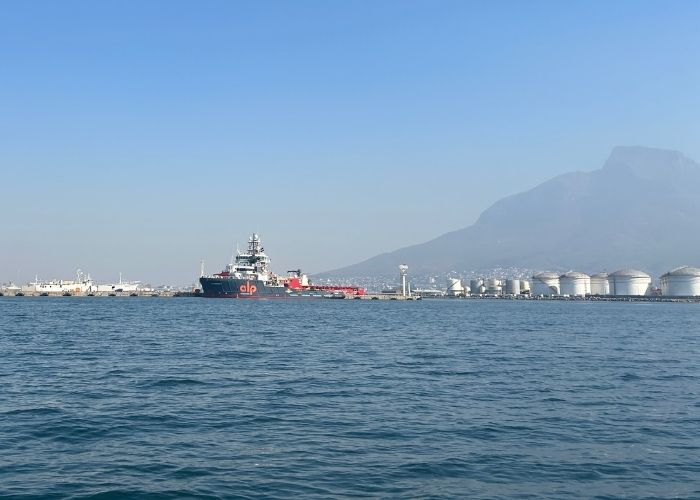
Cape Town occupies a strategic position along global shipping routes connecting Europe, Asia and the Americas. Many vessels stop at the Port of Cape Town for refuelling, maintenance and technical inspections.
This makes the port an important service hub for marine hydraulic systems. Ships arriving after long voyages often schedule inspections to identify wear or damage that may have developed during transit.
Steering gear systems are frequently included in these maintenance checks. After weeks at sea, hydraulic components may require adjustment, seal replacement or pump servicing to ensure continued reliability.
Specialist technicians providing inspection and repair services at the Port of Cape Town play an important role in maintaining vessel safety and operational efficiency.
Diagnosing Hydraulic Steering Issues When Vessels Reach Port
When vessels arrive at port with suspected steering problems, technicians begin by performing detailed system diagnostics. These inspections typically involve testing hydraulic pressure, inspecting pumps and examining cylinder assemblies for leakage or wear.
Hydraulic fluid samples may also be analysed to identify contamination levels. Fluid condition provides valuable insight into the health of internal components within the system.
Once the root cause of the problem has been identified, technicians can determine the most effective repair strategy. This may involve replacing seals, repairing pumps or cleaning and flushing the hydraulic system.
Professional servicing ensures that vessels leave port with steering systems fully restored and ready for the next leg of their journey.
Preventative Maintenance for Marine Hydraulic Pump Systems
Preventative maintenance is the most effective way to protect hydraulic steering systems from unexpected failure. Maintaining clean hydraulic fluid, monitoring pump performance and conducting regular inspections significantly reduces the risk of operational disruption.
Technicians often recommend scheduled servicing of marine hydraulic pump systems to maintain pressure stability and extend equipment lifespan. Routine maintenance allows operators to detect minor issues early and avoid costly emergency repairs.
For vessels travelling long distances between ports, preventative maintenance also improves fuel efficiency and navigation accuracy by ensuring smooth steering response.
Supporting Global Shipping Through Reliable Marine Hydraulics
Hydraulic steering systems are fundamental to the safe operation of modern ships. From cargo vessels and tankers to offshore support ships and fishing fleets, marine steering hydraulics ensure that vessels can manoeuvre accurately under demanding conditions.
Maintaining these systems requires technical expertise and a thorough understanding of marine hydraulic engineering. Inspections, pump maintenance and cylinder servicing all play an important role in protecting vessel performance.
Ports such as Cape Town serve as vital service points where vessels can undergo hydraulic inspections and repairs between voyages. By ensuring that hydraulic steering systems ships rely on remain in optimal condition, marine hydraulic specialists help keep global shipping routes operating safely and efficiently.
Reliable marine hydraulic pump systems and properly maintained steering gear ultimately support the smooth movement of goods, resources and vessels across the world’s oceans.