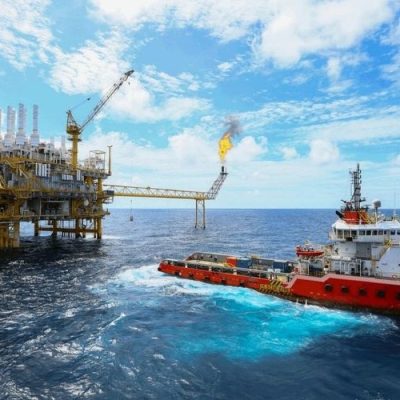
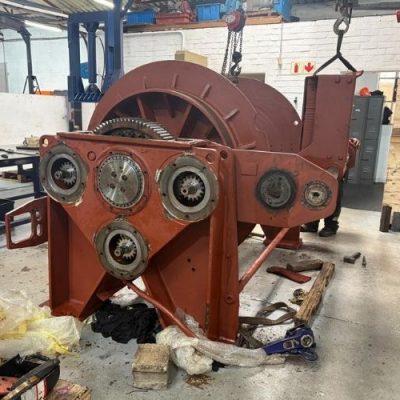
Marine hydraulic systems operate in demanding environments where constant exposure to saltwater, moisture and heavy operational loads places immense strain on hydraulic components. Whether onboard cargo vessels, fishing trawlers, offshore support vessels or harbour equipment, hydraulic systems depend on clean, stable hydraulic fluid to perform reliably.
One of the most common causes of hydraulic failure in marine environments is hydraulic fluid contamination.
Contaminated hydraulic oil can affect pressure stability, damage internal components and reduce overall system efficiency. In severe cases, contamination can result in complete system failure, leading to costly downtime and repairs. For vessels operating through major ports such as Cape Town, maintaining clean hydraulic systems is critical for ensuring safe and reliable operation at sea.
Why Hydraulic Fluid Is Essential in Marine Hydraulic Systems
Hydraulic fluid is responsible for far more than simply transmitting pressure through a system. It also lubricates moving components, assists with temperature control and protects internal surfaces from wear. Marine hydraulic systems rely on precise pressure and fluid flow to operate correctly. Steering systems, cranes, winches, hatch covers and deck equipment all depend on hydraulic oil maintaining the correct viscosity and cleanliness.
When contaminants enter the hydraulic fluid, these properties are compromised. This affects the efficiency of the entire system and increases wear on components such as pumps, valves, cylinders and motors. Because marine equipment often operates continuously under heavy load, even small levels of contamination can create significant long-term damage.
What Causes Hydraulic Fluid Contamination in Marine Equipment
Marine environments create several conditions that increase the risk of contamination entering hydraulic systems.
Saltwater Exposure
Saltwater is one of the most damaging contaminants in marine hydraulics. Seawater can enter hydraulic systems through worn seals, damaged hoses or corroded fittings. Once contamination enters the system, salt particles accelerate corrosion and reduce the lubricating properties of hydraulic oil. Over time, this leads to increased wear on internal components and reduced system reliability.
Moisture and Condensation
Humidity and fluctuating temperatures onboard vessels often result in condensation forming inside hydraulic reservoirs and systems. Moisture contamination can gradually degrade hydraulic oil and promote corrosion inside pumps, valves and cylinders. In marine environments, moisture contamination is particularly common due to constant exposure to damp conditions and temperature changes between day and night operations.
Worn Hydraulic Components
Hydraulic seals, hoses and fittings deteriorate over time. As these components wear, contaminants can enter the hydraulic system more easily. Internal component wear can also introduce contamination into the fluid itself. Metal particles generated by worn pumps or motors circulate through the system and damage other components if not properly filtered.
Poor Maintenance Procedures
Hydraulic contamination can also occur during servicing and maintenance. Opening hydraulic systems in uncontrolled environments or using contaminated tools may introduce dirt, moisture or debris into the system. Incorrect maintenance procedures often contribute to long-term contamination problems that develop gradually over time.
How Contamination Affects Marine Hydraulic Systems
Contamination affects every part of a hydraulic system. Because hydraulic oil circulates continuously, contaminants spread throughout the entire system and impact multiple components simultaneously. Hydraulic pumps are particularly vulnerable because they rely on clean oil for lubrication and pressure generation. Contaminated fluid increases friction and internal wear, reducing pump efficiency and eventually causing pressure loss.
Control valves are also highly sensitive to contamination. Small particles or corrosion can affect valve movement and fluid regulation, leading to inconsistent system response or erratic operation.
Hydraulic cylinders experience accelerated seal wear and internal surface damage when contaminated oil circulates through the system. This often results in leaks, reduced lifting capability and pressure instability. As contamination worsens, hydraulic systems may begin to overheat due to increased friction and reduced lubrication. Overheating places additional stress on components and further accelerates system deterioration.
Common Warning Signs of Hydraulic Fluid Contamination
In many cases, contamination develops gradually. Early detection is essential for preventing major failures and reducing repair costs. One of the most noticeable signs is discoloured or milky hydraulic oil, which often indicates water contamination. Operators may also notice slower hydraulic response, reduced system power or inconsistent movement in hydraulic equipment.
Increased operating temperatures, unusual noise from pumps or motors and visible corrosion around hydraulic components are also common indicators of contamination. Because these symptoms can initially appear minor, contamination problems are often overlooked until more serious damage has occurred.
The Importance of Hydraulic Fluid Analysis
Hydraulic fluid analysis is one of the most effective ways to detect contamination before significant damage occurs. By analysing hydraulic oil samples, technicians can identify moisture levels, metal particles, oil degradation and the presence of contaminants within the system. This provides valuable insight into the condition of internal components and helps maintenance teams identify developing issues early. Routine fluid analysis is particularly important for vessels operating over long distances between ports, where hydraulic systems are subjected to continuous operational stress. Monitoring fluid condition allows operators to address contamination proactively rather than reacting to unexpected equipment failures.
Preventing Hydraulic Fluid Contamination
Preventative maintenance plays a critical role in protecting marine hydraulic systems from contamination-related damage. Regular inspection of seals, hoses and fittings helps identify wear before contaminants enter the system. Maintaining effective filtration systems is equally important, as filters remove harmful particles from hydraulic oil during operation.
Hydraulic fluid condition should also be monitored regularly to ensure oil remains clean and within the correct operating specifications. Professional servicing procedures further reduce contamination risks. Using clean tools, sealing systems correctly and carrying out maintenance in controlled conditions helps protect hydraulic systems from unnecessary exposure to dirt and moisture. A structured preventative maintenance programme significantly improves hydraulic reliability and reduces the likelihood of costly emergency repairs.
The Operational Impact of Hydraulic Contamination
Hydraulic system failures can create major operational disruptions for marine vessels. When contamination affects critical systems such as steering gear, cargo handling equipment or deck machinery, vessels may experience delays, reduced operational efficiency or unplanned downtime at port. For commercial operators, these disruptions often lead to increased repair costs, delayed schedules and reduced productivity. In busy ports such as Cape Town, where turnaround times are critical, maintaining hydraulic reliability is essential for keeping vessels operational and avoiding unnecessary delays.
Marine Hydraulic Support in Cape Town
Cape Town remains a key service point for vessels travelling international shipping routes. Many vessels arriving at port require hydraulic inspections, diagnostics and maintenance following long periods at sea. Professional hydraulic support services in Cape Town help operators identify contamination issues before they result in major equipment failure.
Hydraulic technicians perform inspections, fluid analysis, system flushing and component diagnostics to restore hydraulic systems to safe operating condition. These services play an important role in maintaining vessel reliability and reducing downtime. Access to experienced hydraulic specialists ensures that marine equipment continues operating efficiently in demanding environments.
Protecting Marine Hydraulic Systems Through Preventative Maintenance
Hydraulic fluid contamination remains one of the leading causes of failure in marine hydraulic systems. Saltwater exposure, moisture, component wear and poor maintenance practices all contribute to contamination risks onboard vessels. Because contamination affects pumps, valves, cylinders and motors simultaneously, early detection and preventative maintenance are essential for protecting equipment reliability. Routine inspections, hydraulic fluid analysis and professional servicing all help reduce the risk of contamination-related failures and extend the lifespan of hydraulic components. For marine operators working through Cape Town and beyond, maintaining clean hydraulic systems is essential for improving operational efficiency, reducing downtime and ensuring safe vessel performance in challenging marine environments.