The Science Behind Hydraulic Efficiency: How to Maximise Power While Reducing Energy Loss
Hydraulic systems are the beating heart of countless industries around the world. From marine operations to construction and manufacturing, hydraulics provide the muscle that keeps machines moving. Yet even the most powerful systems can lose efficiency over time due to small but persistent issues that quietly drain performance and increase costs.
Understanding how hydraulic efficiency works—and how to protect it—is essential for engineers, operators, and maintenance teams that rely on these systems daily. This guide explores the science behind hydraulic efficiency, the common causes of energy loss, and proven ways to optimise power output while reducing waste.
Understanding Hydraulic Efficiency
Hydraulic systems convert mechanical energy into fluid power. A pump pushes hydraulic fluid through hoses, valves, and actuators, creating controlled force and movement.
In an ideal world, all input energy would be converted into useful work. However, no system is perfectly efficient. Friction, fluid resistance, leaks, and component wear all contribute to energy loss. The result is reduced performance, higher fuel or power consumption, and shorter component lifespan.
Hydraulic efficiency is typically measured in three key ways:
- Volumetric efficiency: How effectively the system delivers fluid flow without leakage.
- Mechanical efficiency: How much energy is lost due to friction in moving components.
- Overall efficiency: A combination of volumetric and mechanical efficiency that reflects total system performance.
Small improvements in these areas can have a major impact on productivity and energy savings across an entire operation.
The Hidden Causes of Energy Loss in Hydraulic Systems
Several factors can quietly reduce hydraulic efficiency. These issues often go unnoticed until a breakdown or spike in operating costs occurs. Understanding the most common culprits is the first step to controlling them.
Internal and External Leakage
Leaks—whether inside the pump or through worn seals—are one of the biggest causes of lost pressure and energy waste. Even small leaks can dramatically reduce volumetric efficiency and cause heat build-up that shortens fluid and component life.
Contaminated or Degraded Fluid
Hydraulic fluid plays a dual role: it transmits power and lubricates components. Contamination from dirt, metal particles, or moisture can reduce flow and increase wear. Over time, poor fluid quality leads to higher friction, component damage, and loss of pressure.
Inefficient Component Design
Older systems or poorly matched components can cause flow restrictions and turbulence, both of which waste energy. Pumps, motors, and valves must be properly sized and aligned to maintain optimal efficiency.
Heat Build-Up
Excessive heat is often a symptom of inefficiency. As fluid warms, its viscosity changes, reducing lubrication and causing higher friction losses. Effective cooling and fluid monitoring are vital for consistent performance.
Poor System Maintenance
Neglecting regular inspections, filter changes, or fluid checks can allow small inefficiencies to compound. Over time, these minor issues become major energy drains.
The Science of Energy Transfer in Hydraulics
At the core of hydraulic systems lies the principle of energy conversion. Mechanical energy from an engine or motor is transferred into hydraulic energy via a pump. The fluid transmits this energy through pressurised lines to actuators or cylinders that perform work.
The key to maintaining efficiency lies in minimising the energy lost during this transfer. Each bend, valve, and fitting creates resistance that converts part of the energy into heat instead of useful work. Engineers design systems to balance flow rate and pressure to minimise this loss while ensuring safety and control.
Advances in computational fluid dynamics (CFD) and material science have allowed manufacturers to design smoother internal surfaces, more efficient pumps, and smarter control valves that optimise flow paths and reduce turbulence.
How to Improve Hydraulic Efficiency
Improving efficiency requires both engineering design and disciplined maintenance. Below are proven strategies that help maximise performance and extend system lifespan.
Keep Fluid Clean and Monitored
Fluid cleanliness is critical. Contaminants increase friction and damage seals and valves. Regular sampling and laboratory analysis of hydraulic fluid can detect wear metals, water ingress, and other issues early.
Use Proper Filtration
Install high-quality filters and replace them at scheduled intervals. Inline filtration, return-line filters, and breathers prevent external contaminants from entering the system.
Check for Leaks Regularly
Inspect hoses, fittings, and seals frequently. Pressure testing can help locate internal leaks that are not visible to the eye.
Maintain Proper Fluid Temperature
Heat exchangers and coolers prevent overheating. Keep the system within its optimal temperature range for viscosity stability and reduced wear.
Upgrade to Energy-Efficient Components
Modern hydraulic pumps and motors are engineered to operate at higher efficiencies. Variable displacement pumps, servo valves, and smart sensors can adjust flow and pressure automatically, saving energy.
Align System Design with Application Needs
Oversized pumps and valves waste energy, while undersized components cause strain and overheating. Designing systems to match load requirements maximises efficiency.
Real-World Applications Across Industries
Hydraulic systems power a range of global industries, and efficiency improvements deliver measurable results in each one.
Marine and Offshore
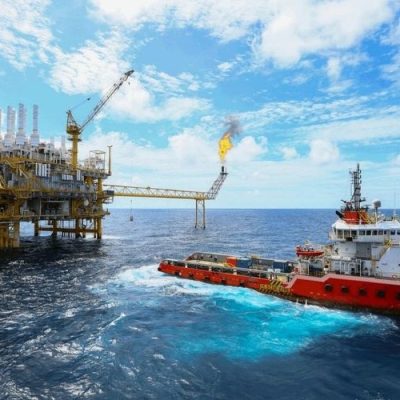
In the marine sector, hydraulics control everything from cranes to steering systems. Energy-efficient designs reduce fuel consumption on vessels and help operators meet stricter environmental standards.
Construction and Mining
Heavy machinery such as excavators and loaders rely on hydraulics to generate massive power. Efficient systems reduce fuel use, improve response times, and extend machine life in demanding conditions.
Manufacturing and Industrial Automation
In manufacturing plants, hydraulic presses and robotics benefit from smart monitoring systems that adjust pressure and flow in real time. This not only saves energy but also ensures consistent production quality.
Renewable Energy and Sustainability
The move toward energy-saving hydraulics aligns with global sustainability goals. Efficient systems reduce carbon emissions and support eco-conscious industrial operations worldwide.
The Role of Predictive Maintenance in Hydraulic Efficiency
Modern predictive maintenance tools, including sensors and IoT technologies, have transformed how operators monitor system health. Pressure sensors, flow meters, and temperature gauges continuously collect data that can predict issues before they cause downtime.
Predictive analytics identifies patterns in performance data, allowing maintenance teams to schedule servicing only when needed. This not only saves time and costs but also prevents unnecessary fluid or component waste—boosting overall efficiency and sustainability.
Sustaining Efficiency Through Continuous Improvement
Hydraulic efficiency is not a one-time achievement but an ongoing process. Every system has unique conditions that affect performance, and continuous improvement is key to long-term success.
Training technicians, upgrading components, and monitoring performance metrics are all essential practices. Regular audits and performance tracking help identify trends and areas where small adjustments can yield significant energy savings.
Moving Forward: Building a More Efficient Future
The global demand for hydraulic systems will continue to grow as industries expand and technology advances. Efficiency will remain a defining factor for success—determining not only operational performance but also environmental impact and profitability.
Whether operating in marine, industrial, or construction sectors, investing in hydraulic efficiency is an investment in sustainability, reliability, and innovation.
At DMA Hydraulics, we specialise in delivering hydraulic solutions that enhance efficiency, reduce downtime, and extend system life for clients across the globe.
For expert support or tailored maintenance programmes, reach out to our team today and discover how precision-driven hydraulics can power your business forward.