Expert Hydraulic Troubleshooting in Cape Town: Solving Problems Before They Start
Why Hydraulic Troubleshooting Matters More Than Ever
Hydraulic systems are responsible for powering some of the hardest working equipment across Cape Town and the Western Cape. Marine vessels, fishing fleets, harbour cranes, earthmoving machinery, construction equipment and industrial production systems all depend on hydraulic pressure to operate safely and efficiently. When a hydraulic system begins failing, operations slow down quickly. Productivity drops, equipment reliability suffers and downtime costs rise fast.
The problem is that most hydraulic failures do not happen without warning. Hydraulic systems almost always show early signs of stress before complete failure occurs. Small leaks, overheating, vibration, inconsistent pressure and sluggish movement often indicate developing problems inside the system. If these warning signs are ignored, minor issues become major breakdowns that affect pumps, cylinders, valves and entire hydraulic circuits.
Expert hydraulic troubleshooting focuses on identifying faults before they escalate into operational failures. Instead of simply repairing damaged components after breakdowns occur, hydraulic troubleshooting aims to isolate root causes early, reduce downtime and improve long-term equipment reliability.
For businesses operating in Cape Town’s marine, offshore, industrial and earthmoving sectors, preventative troubleshooting forms an important part of operational risk management.
Cape Town’s Operating Conditions Create Additional Hydraulic Stress
Hydraulic systems operating in Cape Town face demanding environmental and operational conditions. Marine hydraulic equipment works in corrosive salt-air environments with constant moisture exposure and vibration. Construction and earthmoving equipment operates in dusty conditions under heavy loads and long operating hours. Offshore hydraulic systems often function under continuous pressure cycles where downtime is extremely costly.
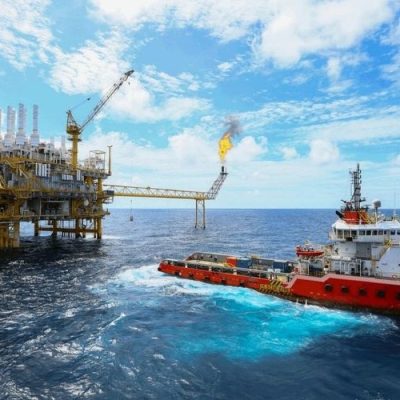
Cape Town harbour operations depend heavily on hydraulic equipment every day. Commercial fishing vessels rely on hydraulic winches, cranes and steering systems. Offshore support vessels use hydraulics for stabilisation systems, lifting equipment and cargo handling. Port facilities operate hydraulic loading systems and cranes under continuous operational pressure. These operating environments accelerate hydraulic wear and increase the likelihood of contamination, overheating and pressure instability. Troubleshooting hydraulic systems in Cape Town therefore requires a practical understanding of local operating conditions rather than generic diagnostic methods.
What Causes Hydraulic Systems to Fail
Hydraulic systems fail for several reasons, but most failures trace back to a small group of recurring issues. Contamination remains one of the leading causes of hydraulic breakdowns. Dirt particles, moisture, metal fragments and degraded oil circulate through the system and slowly damage internal components. Pumps, valves and actuators operate with tight tolerances. Even small contaminants can create surface wear, flow restrictions and pressure instability.
Overheating is another major cause of hydraulic failure. Excessive temperatures break down hydraulic oil and reduce lubrication performance. Once fluid quality deteriorates, internal friction increases and component wear accelerates. Overheating may result from blocked filters, excessive pressure, restricted flow, poor cooling or contamination.
Air ingress also creates serious hydraulic performance problems. Air entering the hydraulic circuit causes cavitation, pressure fluctuation and noisy pump operation. Cavitation often sounds like gravel or marbles moving through the system. If left unresolved, cavitation damages pumps and internal hydraulic surfaces quickly. Seal failure, hose deterioration and incorrect system calibration also contribute to hydraulic instability. Hydraulic systems operate under high pressure. Once seals or hoses begin failing, fluid leakage affects system performance and increases contamination risks.
The Difference Between Reactive Repairs and Professional Troubleshooting
Many businesses only address hydraulic problems after equipment fails completely. Reactive repairs may restore operation temporarily, but they often fail to address the root cause of the issue. Replacing a damaged pump without identifying contamination problems or pressure instability frequently leads to repeated breakdowns. Professional hydraulic troubleshooting follows a structured diagnostic process. The goal is to understand why the failure occurred rather than simply replacing damaged parts.
A proper troubleshooting process usually begins with gathering operational history. Technicians assess when the issue started, whether the fault occurs under load conditions and whether symptoms appear continuously or intermittently. This information helps narrow down possible causes before testing begins. Visual inspections then identify external leaks, damaged hoses, overheating signs, fluid discolouration and mechanical wear. From there, technicians move into pressure testing, flow analysis, thermal testing and hydraulic fluid inspection.
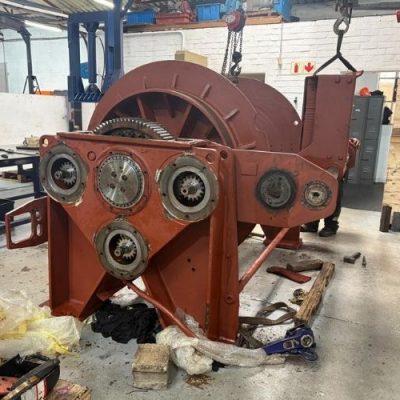
DMA Hydraulics approaches troubleshooting through detailed diagnostics designed to isolate faults accurately before repairs begin. Their Cape Town workshop supports marine, industrial and earthmoving clients requiring fast and reliable fault finding across hydraulic systems.
Pressure Testing and Flow Analysis
Pressure testing forms one of the most important parts of hydraulic troubleshooting. Hydraulic systems rely on stable pressure to perform correctly under operational load. Pressure loss often points to internal leakage, worn pumps, blocked filters or valve problems.
Testing systems under load conditions provides more accurate results than idle testing alone. Many hydraulic faults only appear once equipment operates under pressure. Marine winches, cranes and steering systems may function normally while idle but lose performance once operational demands increase. Flow analysis is equally important. Hydraulic systems require both correct pressure and sufficient flow volume to function efficiently. A hydraulic circuit may display acceptable pressure while still suffering from reduced flow caused by restrictions or internal wear. Professional troubleshooting combines pressure and flow testing to identify where performance losses occur inside the system.
Thermal Imaging and Temperature Monitoring
Hydraulic overheating creates serious long-term reliability problems. Excessive temperatures damage seals, reduce oil viscosity and accelerate internal wear. Thermal testing allows technicians to identify hot spots and overheating components before complete failure occurs. Thermal imaging cameras help locate pressure restrictions, failing valves and overloaded pumps quickly. Components operating outside normal temperature ranges often indicate internal damage or inefficient hydraulic flow.
Cape Town marine systems frequently operate under heavy load conditions where temperature management becomes critical. Offshore equipment, deck machinery and industrial hydraulic systems generate substantial heat during operation. Regular thermal testing helps operators identify cooling problems early and avoid expensive repairs later.
Hydraulic Fluid Analysis and Contamination Detection
Hydraulic oil condition provides valuable insight into system health. Fluid analysis identifies contamination, water ingress, metal wear particles and oil degradation before equipment performance declines significantly. Metal particles inside hydraulic oil often indicate internal wear inside pumps, cylinders or valves. Water contamination reduces lubrication performance and increases corrosion risk. In marine environments around Cape Town, moisture contamination remains one of the biggest hydraulic reliability threats.
Fluid analysis also helps technicians identify whether contamination originates externally or from internal component wear. This information allows repairs to focus on root causes rather than symptoms alone. Hydraulic fluid flushing and replacement should form part of every preventative maintenance programme. Old hydraulic oil loses lubrication performance over time and increases wear throughout the system.
Common Hydraulic Warning Signs Operators Should Never Ignore
Hydraulic systems usually provide warning signs before major breakdowns occur. Operators who recognise these symptoms early reduce the likelihood of catastrophic equipment failure. Slow actuator movement often indicates pressure instability or internal leakage. Hydraulic cylinders that drift or lose holding force may signal worn seals or valve problems. Noise changes also provide important diagnostic clues. Grinding, whining or knocking sounds from hydraulic pumps usually point to cavitation, contamination or air entering the system. External hydraulic leaks should never be ignored. Even small leaks indicate seal wear, pressure instability or hose deterioration. Once hydraulic fluid escapes the system, contamination risks increase quickly. Overheating, vibration, inconsistent movement and fluctuating pressure all signal developing hydraulic problems that require immediate investigation.
Why Marine and Offshore Hydraulic Troubleshooting Requires Specialist Knowledge
Marine hydraulic troubleshooting differs significantly from standard industrial diagnostics. Vessel systems operate under unique environmental pressures including salt exposure, vibration, humidity and continuous load demands. Many hydraulic faults also appear only during real operating conditions offshore.
Cape Town’s fishing fleets, harbour vessels and offshore support operators depend on hydraulic systems for critical operational functions. Steering systems, anchor handling, deck equipment and lifting systems must perform reliably under demanding conditions. Hydraulic failures offshore create operational delays, safety risks and expensive downtime.
DMA Hydraulics supports marine operators with hydraulic troubleshooting services focused on rapid diagnostics and practical fault resolution. Their team works across marine, offshore, industrial and construction sectors throughout Cape Town and the Western Cape.
Preventative Troubleshooting Saves Businesses Money
Many businesses delay hydraulic inspections until systems begin failing seriously. This approach usually increases repair costs over time. A failing hydraulic pump, for example, can spread contamination throughout the system and damage valves, cylinders and filters simultaneously. Preventative troubleshooting reduces emergency breakdowns and allows maintenance to happen during planned service intervals rather than operational shutdowns. Businesses also benefit from longer equipment lifespan, improved safety and reduced downtime. Routine diagnostics help identify hydraulic inefficiencies before they become critical failures. This allows operators to plan repairs strategically and avoid unexpected operational interruptions.
Choosing the Right Hydraulic Troubleshooting Partner in Cape Town
Choosing a hydraulic troubleshooting provider involves more than comparing pricing. Businesses should assess workshop capability, testing equipment, marine experience, diagnostic procedures and turnaround times. Effective troubleshooting requires specialised diagnostic tools, experienced technicians and a structured testing process. The goal should always be accurate root-cause identification rather than temporary repairs. DMA Hydraulics provides hydraulic troubleshooting, diagnostics and repair services for businesses operating across Cape Town’s marine, offshore, construction and industrial sectors. Their approach focuses on identifying faults early, reducing downtime and improving long-term hydraulic reliability.
Book a Hydraulic Troubleshooting Assessment Before Downtime Costs Escalate
If your hydraulic system is overheating, leaking, losing pressure, producing unusual noise or operating inconsistently, now is the time to arrange a professional diagnostic inspection. Small hydraulic problems rarely stay small for long. DMA Hydraulics provides expert hydraulic troubleshooting and diagnostics for marine, offshore, industrial and earthmoving equipment across Cape Town and the Western Cape. Their team can inspect your hydraulic systems, isolate developing faults and recommend the correct repair strategy before operational failures affect productivity, safety and profitability.